10 Oddest Musical Instruments You've Never Seen

Anyone who's anyone in music will be familiar with the traditional (as in traditional in Western music) trumpet, saxophone, drums, and the like. But instruments can easily come in all shapes and sizes. Since the dawn of humankind, humans have tried and experimented with different ways of making music. And some weird things are bound to come out of that. Today, we will be looking at 25 instruments that are so unusual, many likely have never heard of them. For this list, we won't include instrument variants like the contrabass flute or bass trumpet. We also won't include ordinary instruments in Asian music, because those aren't odd to those in the Far East. Instead, we'll look at instruments that, for lack of a better word, stand out by themselves.
Totem Harp
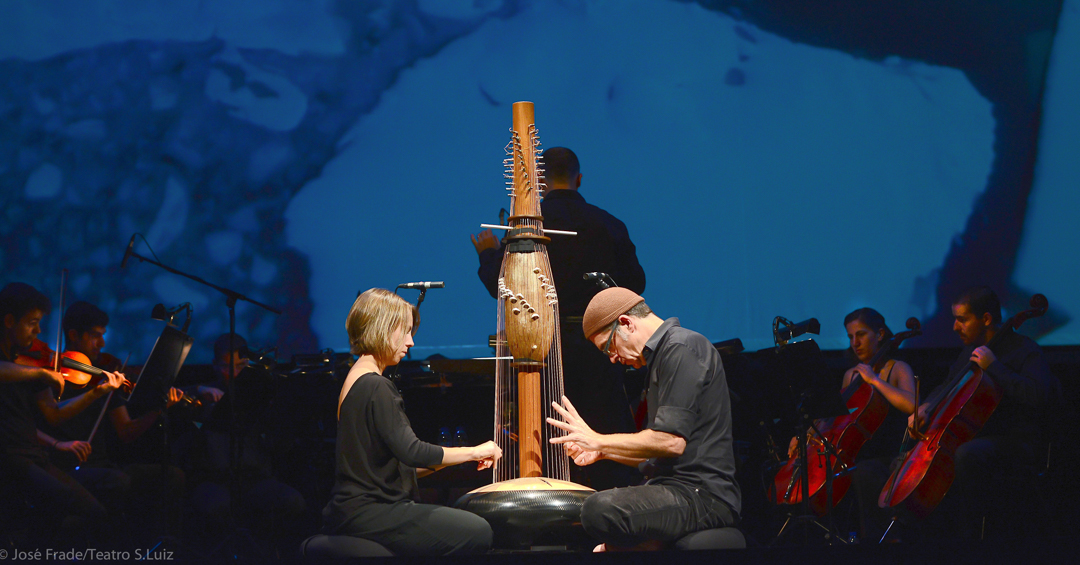
Also known as the Toha, this instrument is played by two people and was created by composer Victor Gama in the year 2000 for an unusual reason: the instrument's design copied the nest shape of the now-extinct sociable weaver bird of southern Africa, and the instrument was intended to mimic the spirit of the birds and call for their return.
Stylophone
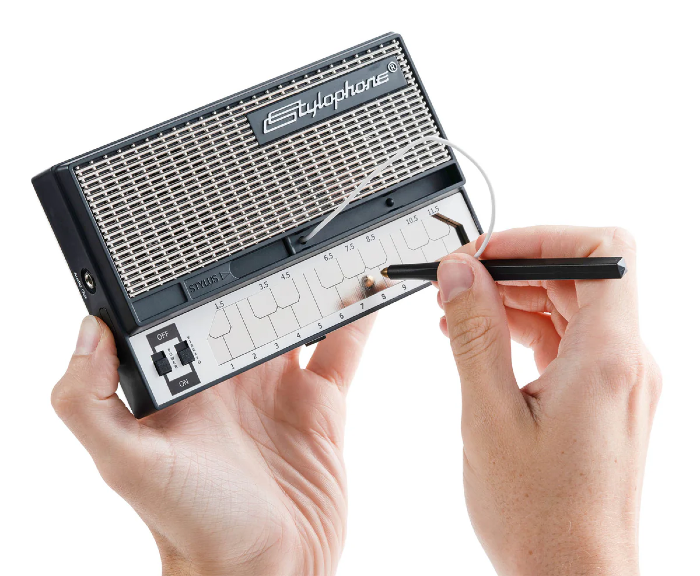
Invented in 1967 by Brian Jarvis and marketed as the pocket electronic synthesizer, this instrument is meant to be a compact-sized version of the Moog synthesizer. Only instead of pushing the keys with your fingers, a stylus is used instead. Nowadays, a modern version is made by Dubreq Stylophone. It's also been used by musicians like David Bowie and Kraftwerk.
Theremin
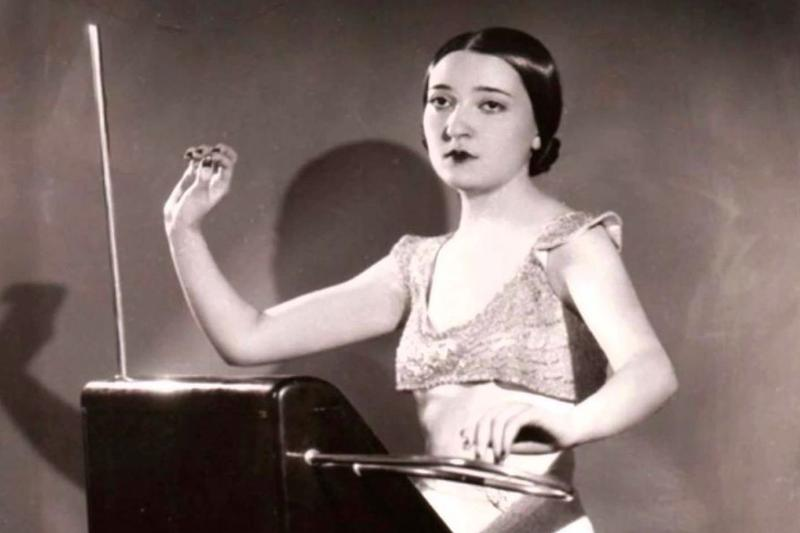
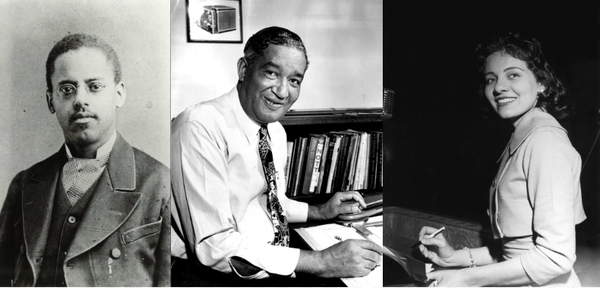
One of the earliest electronic musical instruments, having been invented in 1919 (or 1920, according to other sources) by Leon Theremin, the Theremin features two antennae which sense the user's hands. The antenna on the right controls the pitch of the instrument, and the vertical antenna controls the volume of the sounds made. Musician Clara Rockmore (pictured) was a pioneer in the use of this instrument.
Glass Armonica
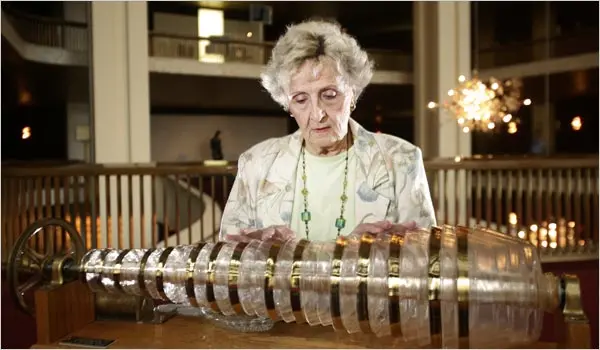
Invented by none other than (you didn't guess it) Benjamin Franklin in 1761, it's actually the simplest of all the instruments on this list. If you've ever tried to make music with a wine glass, you've gotten the idea of how to play this instrument. And though it was popular in its time, this instrument was all but forgotten by the 1820s.
Crwth
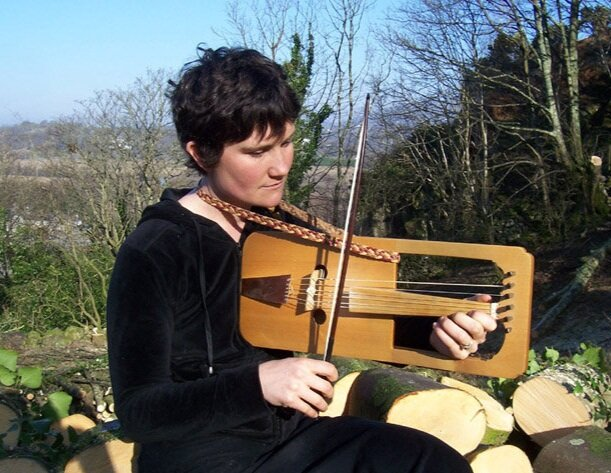
No, that's not a typo. Pronounced "crooth," this archaic, Celtic, bowed instrument comes from Wales, and resembles a lyre. Only four originals from the Middle Ages still exist today, though there are modern recreations which can be found on Amazon or Etsy. And though they were popular in the Middle Ages, it was replaced by the fiddle in the 18th century.
Hydraulophone
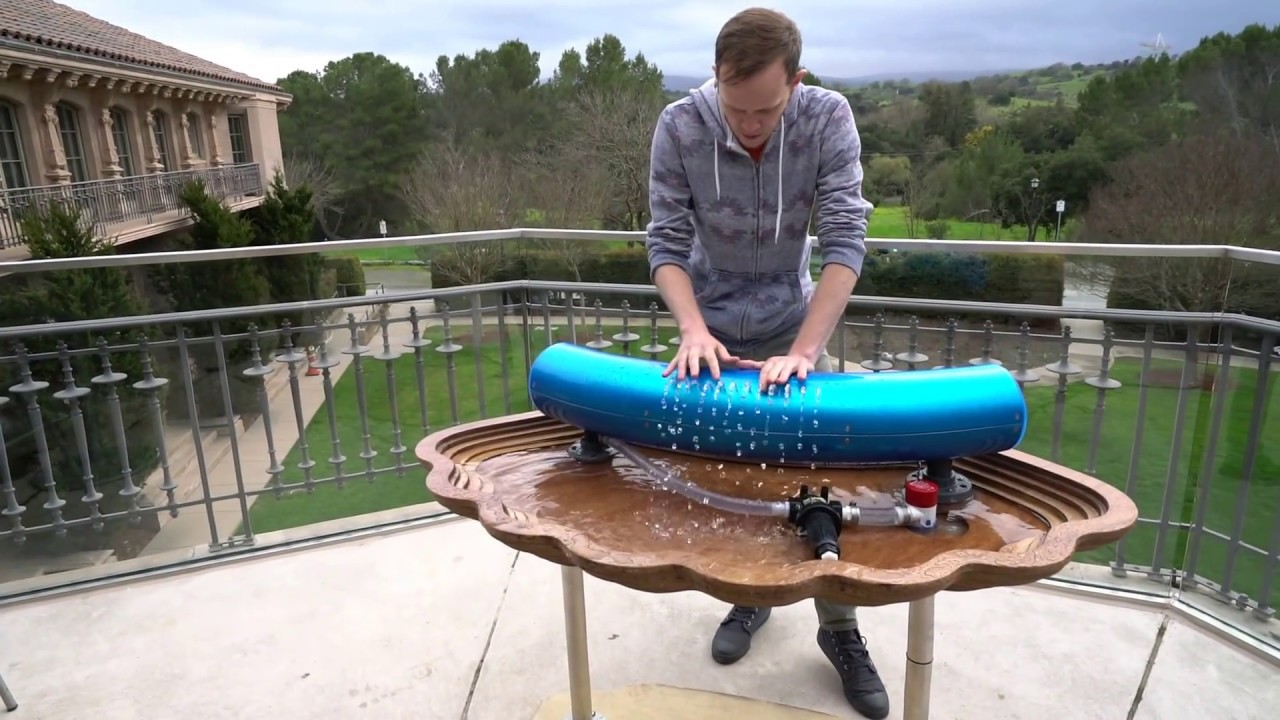
Played similarly to an organ, this instrument does something that practically no other instrument does: use water to make sound. It was invented by Steve Mann and is played by touching and manipulating streams of water, which causes vibrations in a hydraulic fluid that generates the sound. This creates a visible and tactile playing experience, and its expression is sometimes compared to flutes and organs.
Tongue Drum
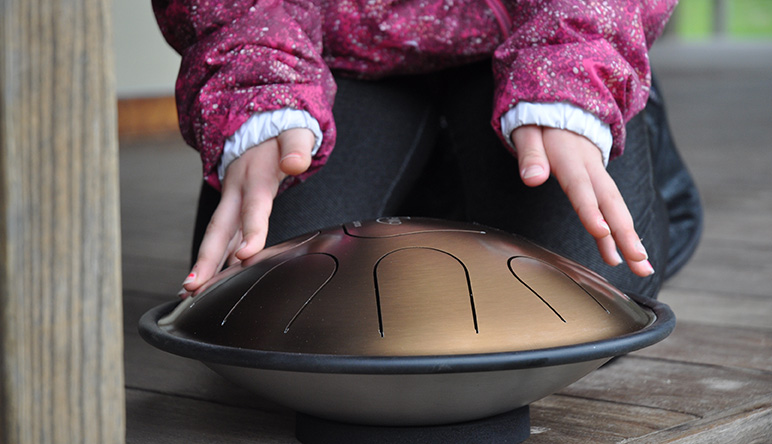
Also called the steel tongue drum (not to be confused with the steel drum) or tank drum, this percussion instrument is a single block of wood or metal with "tongues" cut into the material. Each tongue is differently shaped and produces a different note when struck. You'll often find this instrument in relaxation, meditation, and background music due to its soft and melodious sound.
Guitar Harp
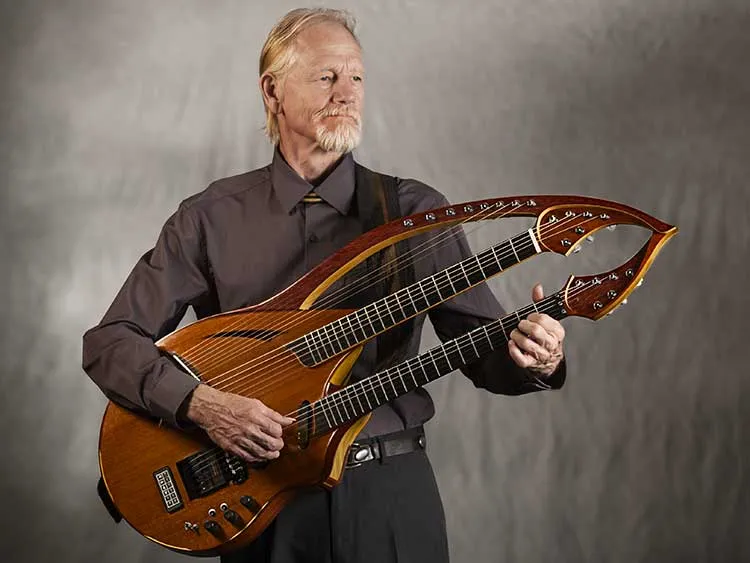
Unlike the aforementioned tongue drum, this instrument is exactly what it sounds like: a combination of a guitar and a harp. It will almost always consist of a guitar-like resonator, complete with a guitar neck and extra strings that are separated from the guitar's strings and don't have tuning pegs. These extra strings form the harp, offering an extended range of scale, though, needless to say, it is more rare than the normal guitar.
Ophicleide
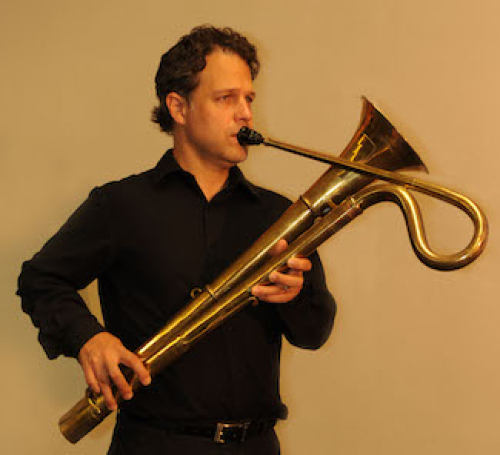
This keyed brass instrument was invented in 1817 to be the lowest-sounding member of the brass instrument family. However, that title was taken by the Tuba by the end of the 19th century. Even so, the Ophicleide lives on. Modern versions are used for works from Berlioz and Mendelssohn, and others it was intended to be used for.
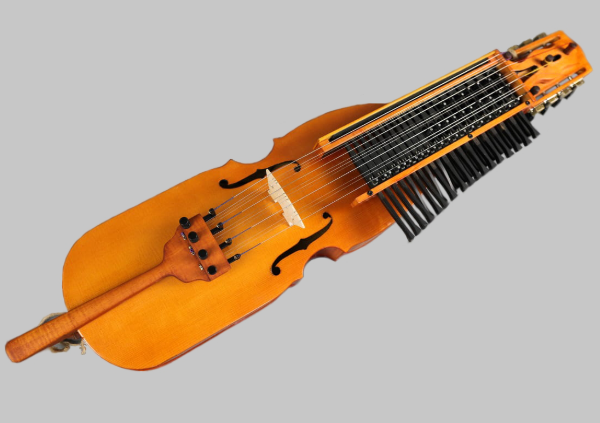
Nyckelharpa
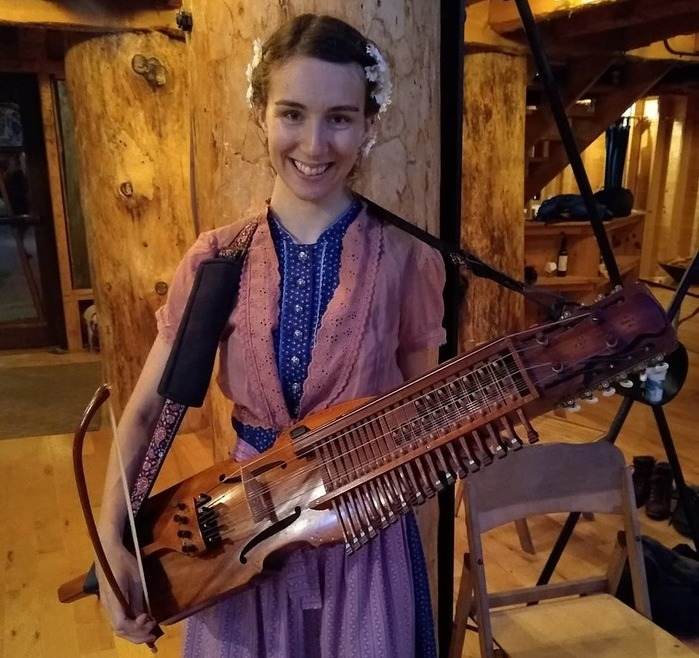
This violin on steroids (of sorts) hails from Sweden, dates back to over 600 years ago, and is sometimes called the "keyed fiddle." One thing that adds to its uniqueness is its keys, which alter the pitch of the notes. These aren't commonly found on stringed instruments and are more often found on keyboard instruments like the piano or organ.
Which instrument is the most unusual to you? Leave a comment!
Sources: The Capitol Theatre, Music & Arts, Blog Newzik
 The Capitol Theatre
 Music & Arts
 Jérémy El Rassi