11 Most Important Inventions by Women

While men get the spotlight for their inventions (and they should), we mustn’t forget about the inventions made by the opposite gender. Today, we will be looking at several inventions that were not invented by men, as some of you may have previously thought, and some of the inventions on this list might surprise you.
Wi-Fi
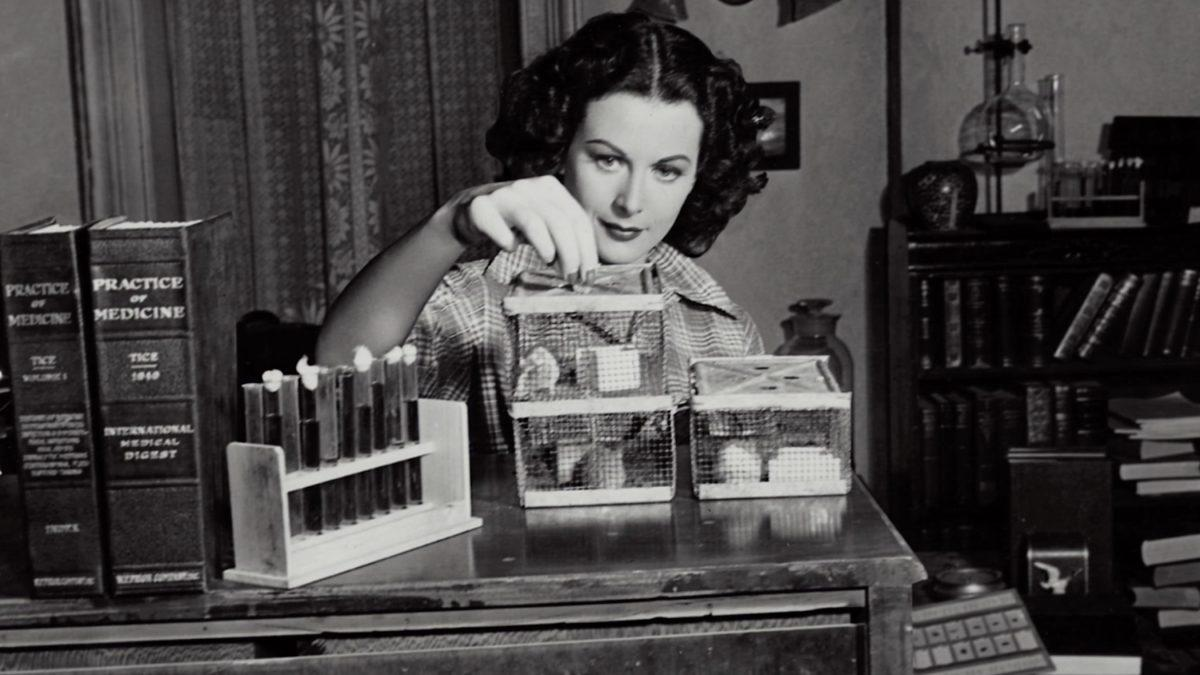
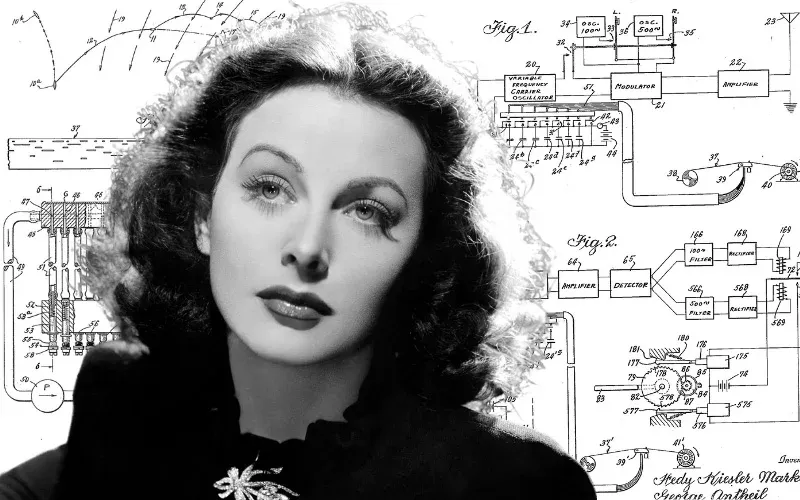
Kicking off this list is one of the most important inventions to the modern world. Many assume actress Hedy Lamarr to just be an actress of the 1940s and 1950s, but those people will be surprised to know that she was also an inventor. And an important one, at that. After the outbreak of World War II, she and an unnamed partner (not a romantic one) developed technology that could be used to guide missiles. Not only did this technology help the war effort, it also was used in military and non-military applications alike after the war. Her invention helped pave the way for things like Wi-Fi, GPS, and Bluetooth. Though Lamarr didn't directly invent those three things, her inventing and contributions to the Allies during the most destructive war in history should be remembered.
Kevlar
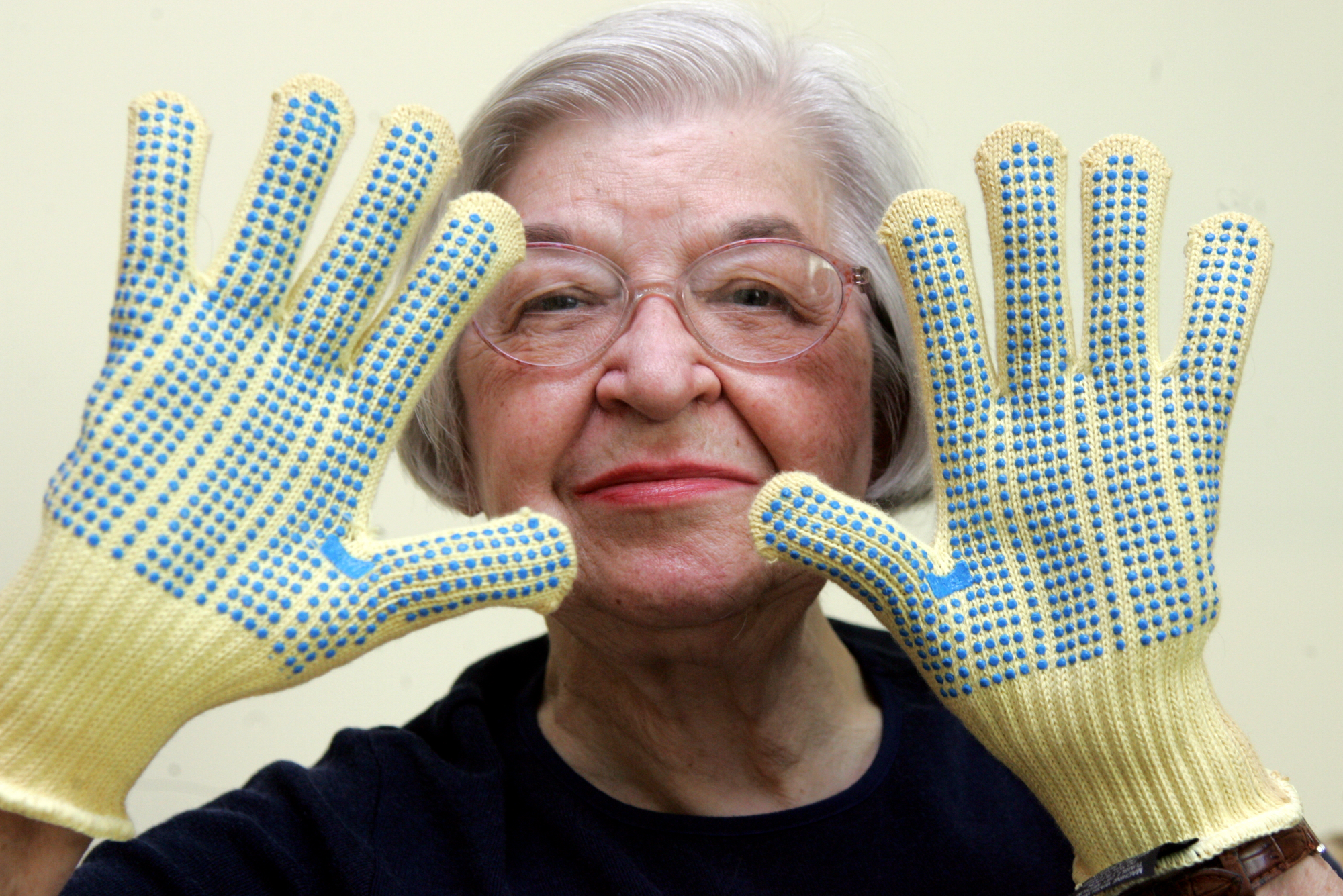
Stephanie Kwolek was a chemist who created synthetic fibers at DuPont’s Pioneering Research Laboratory in Wilmington, Delaware. During this time, she invented Kevlar (a strong, lightweight, heat-resistant synthetic fiber). She patented the process for making it in 1966. Kevlar has since been used in bulletproof vests and other such equipment. It also became a substitute for asbestos in the 1970s, when companies started to ditch the cancer-causing substance.
Life Raft
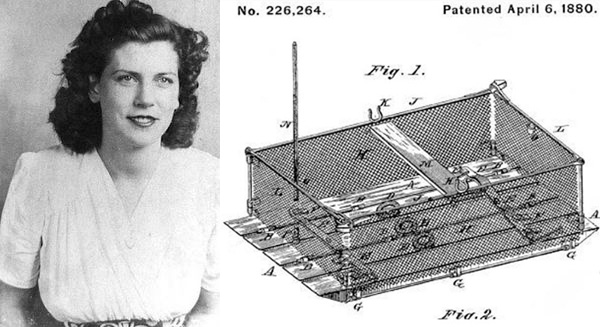
Prior to 1880, European immigrants coming to the States sailed over on ships that, if equipped with any, had flat life rafts. This led Philadelphia-based inventor Maria E. Beasley to improve them. The previous ones had no guard rails to keep people inside during times of use. She received her first patent for the new life raft in 1880 in both the US and Great Britain. She later received a US patent for an improved version of her life raft in 1882. She also patented a foot-warmer, steam generator, and barrel-hooping machine. In total, she patented 15 inventions in the US and at least two in Great Britain during her life.
Fire Escape
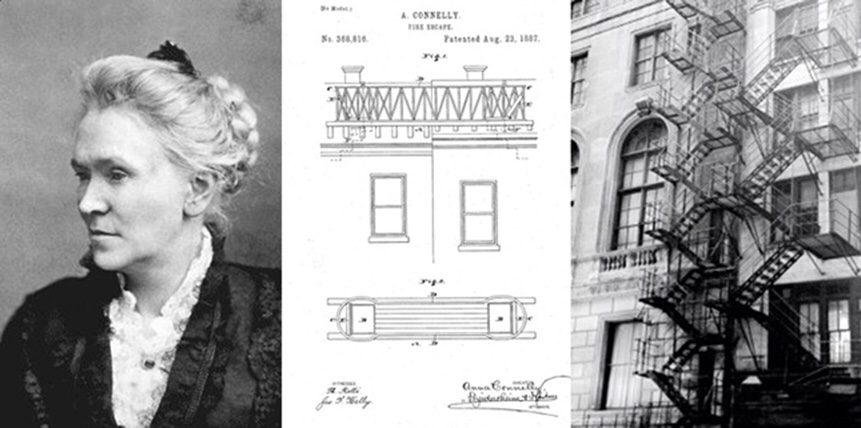
Known for being seen on the sides of apartment buildings, especially in New York City, these external metal staircases were invented in 1887 by Anna Connelly. They have since become required on modern buildings, but that wasn't always the case. At first, landlords rejected the idea, mainly because they were expensive to install and others felt they were unattractive. They eventually became required on buildings, though. And thanks to that, countless lives have been saved from apartment building fires over the years.
Car Heater
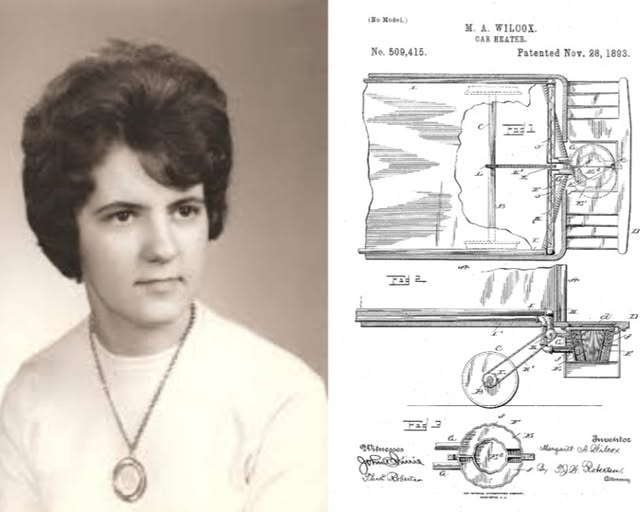
Whatever cars existed in 1893 (like the Benz Patent Motorwagen from 1886) probably didn’t have or even need heaters. Yet an early version of the automobile heater was invented in 1893. Chicago engineer Margaret A. Wilcox also invented a clothes-and-dishwasher, which didn’t catch on in the same way, so let's focus on this instead.
Fold Out Bed
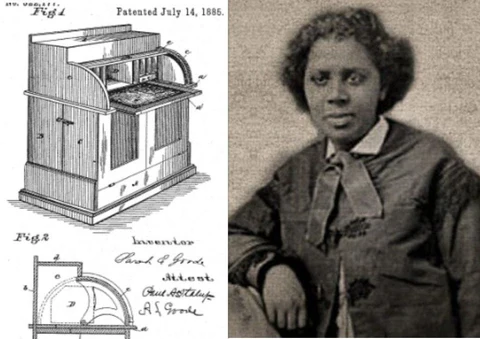
No, we’re not talking about the pull-out couch. That came later. This was invented in 1885 by Sarah E. Goode, who was born into slavery then won freedom after the Civil War. This made her one of the first Black women to receive a US patent. Her invention was essentially a desk that folded out into a bed, which allowed to save space in small apartments. This inspired later designs like the aforementioned pull-out couch.
Circular Saw
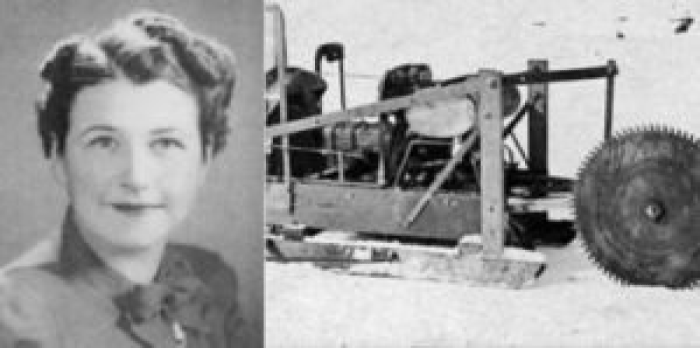
While we sometimes think of construction as being a man’s job, it’s easy to forget that some of the things used in construction were invented by women. Case in point, this power tool, which came to be thanks to weaver Tabitha Babbitt. After attaching a blade to her spinning wheel in 1813, her creation was not patented. This is because of Shaker precepts at the time, and because it was never patented, it was widely used by her community, and later, the construction world.
Cataract Treatment
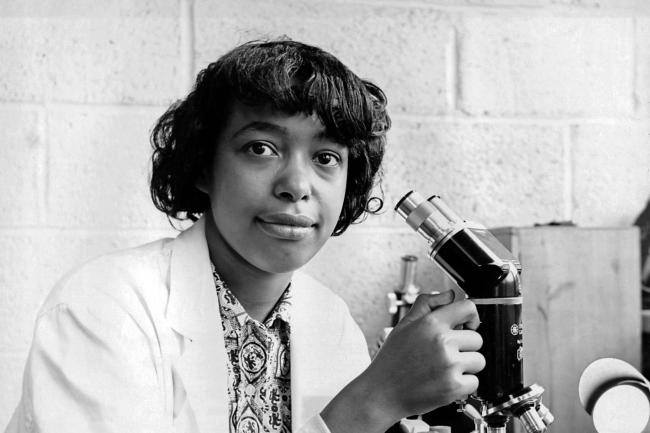
Patricia E. Bath was the first Black American woman to complete a residency in ophthalmology and the first Black female doctor to patent a medical device in the United States. She invented the Laserphaco Probe, which removes cataracts (cloudy obstructions in the eye that lead to vision impairment). This new way of removing cataracts was faster, more accurate, and less invasive than methods that came before. She earned her first patent in 1988 and later received 4 other patents related to cataract removal. This also includes patents in Japan, Canada, and Europe.
Feeding Tube
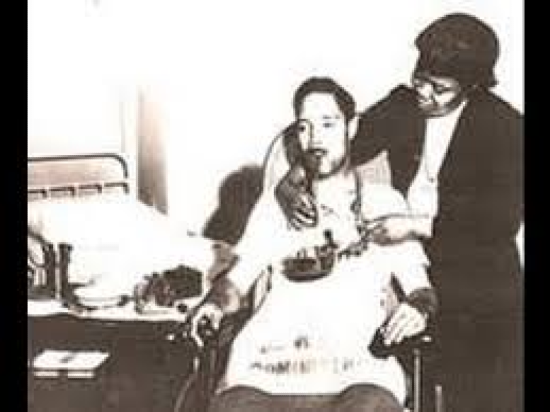
Bessie Virginia Blount was a nurse who worked with veterans of the Second World War at the Bronx Hospital in New York City to help amputees to read and write. During this time, she invented a device that would allow the patients to feed themselves. This invention consisted of a tube that delivered food to the patient whenever the patient bit down. She patented this design in 1948, and in 1951, gave the rights to the French government to use it. Even after inventing this device, she went on to become a forensic handwriting analyst.
Home Security System
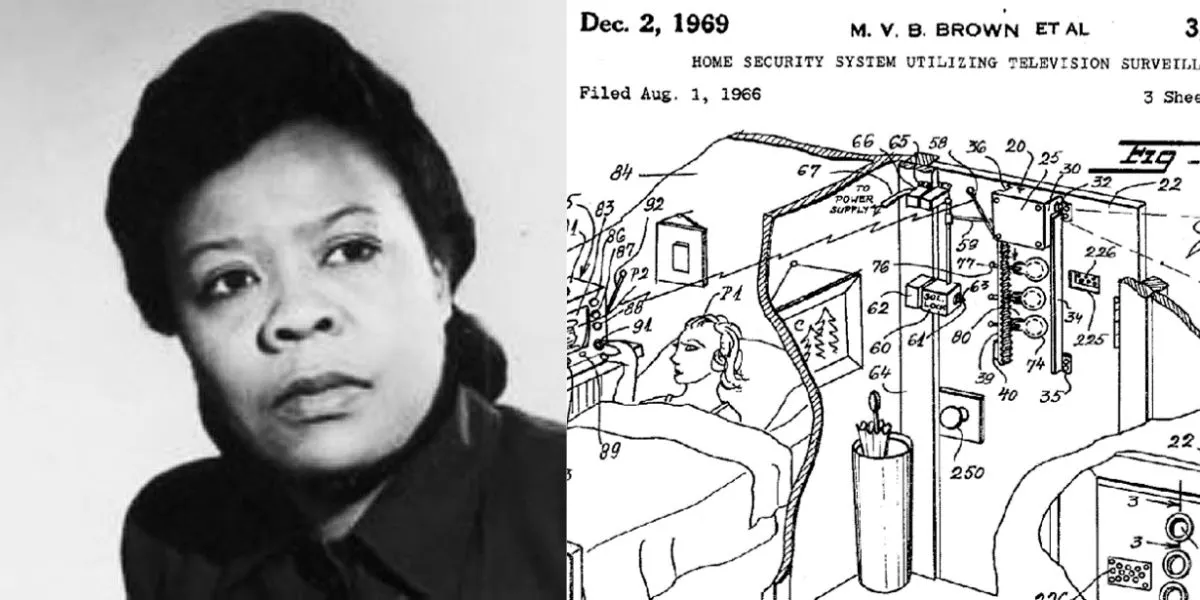
In 1969, New York City nurse and inventor Marie Van Brittan Brown got the idea for this when she and her husband Albert worked long hours as electronics technicians, and Marie often came home to their apartment late at night and was there by herself most of the time. Brown came up with a system that used a sliding camera that could take pictures through four different peepholes in her door, television monitors that displayed the captured images, and two-way microphones that allowed her to speak with those outside her door. There was also a remote that unlocked the door from a distance, as well as a button to alert police. This, needless to say, led to the modern security system. It also has been cited in at least 32 patent applications that came after it.
Dishwasher
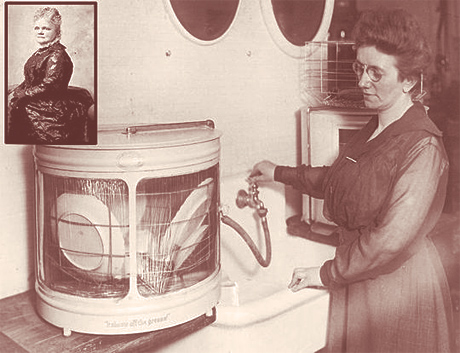
You might think that kitchen appliances like this came about in the 1920s, but not dishwashers. These date back to 1886, when Josephine Cochran of Shelbyville, IL claimed that the idea came when her servants chipped her fine China while cleaning it (this was likely untrue). Previous attempts at dishwashing machines used scrubbers, Cochrane used water pressure to clean the dishes. Having secured her patent in 1886, she created the Garis-Cochrane Dish Washing Machine Company to sell her invention en masse. But the dishwashers were too expensive for most households, so most of them were sold to restaurants and hotels. After Cochrane passed on August 3, 1913, KitchenAid acquired the company and used the patents to make and sell its dishwashers.
Which invention by a woman do you feel is the most important? Leave a comment!
Sources: History, How Stuff Works, Women's Business Enterprise Council, DoSomething.org, Mental Floss


 Molly Edmonds
 Dr. Pamela Williamson


 Amanda Green