15 Misnomers that Aren’t Correctly Named for Their Country of Origin

Names can be deceiving. And these 15 things are prime examples of that. Today, we will learn where these things actually came from (despite their names), and we will see what they should be called.
Chinese Checkers
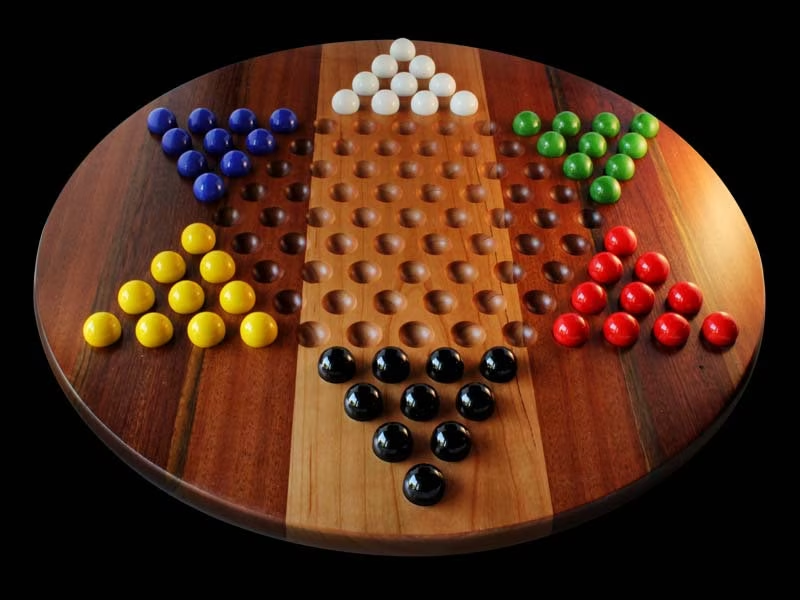
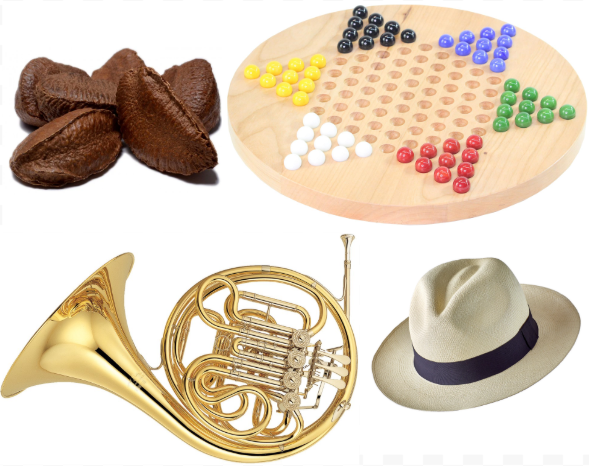
Not only is this game unrelated to regular checkers, but it also doesn't even come from China (or Asia, for that matter). This game was invented in Germany in 1892 under the name "Stern-Halma" meaning "Star-Halma," referring to the star-shaped board. In the US, however, it was sold in 1928 by Bill and Jack Pressman under the name "Chinese Checkers," despite the fact that the game is a variation of Halma. So it should be called "German Halma."
French Horn
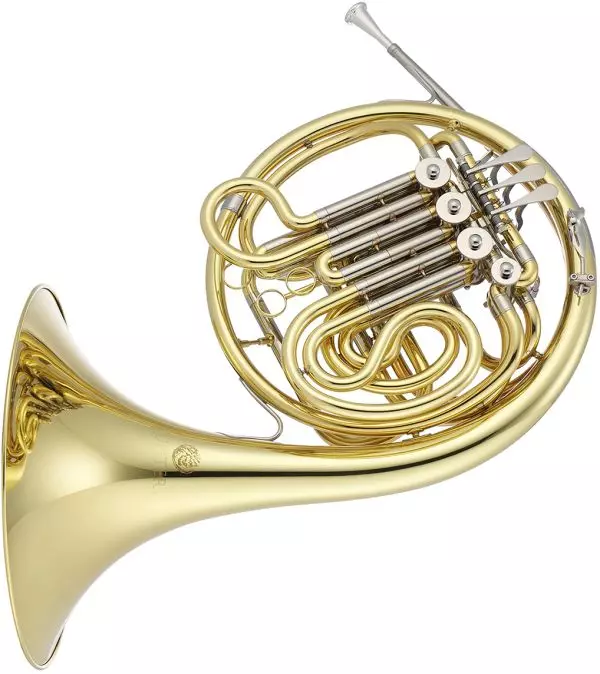
Also hailing from Germany is the non-aptly named French horn. Although, to be fair, it originated from the hunting horns used by French royalty in the 17th century, even though the horn came from Germany.
English Horn
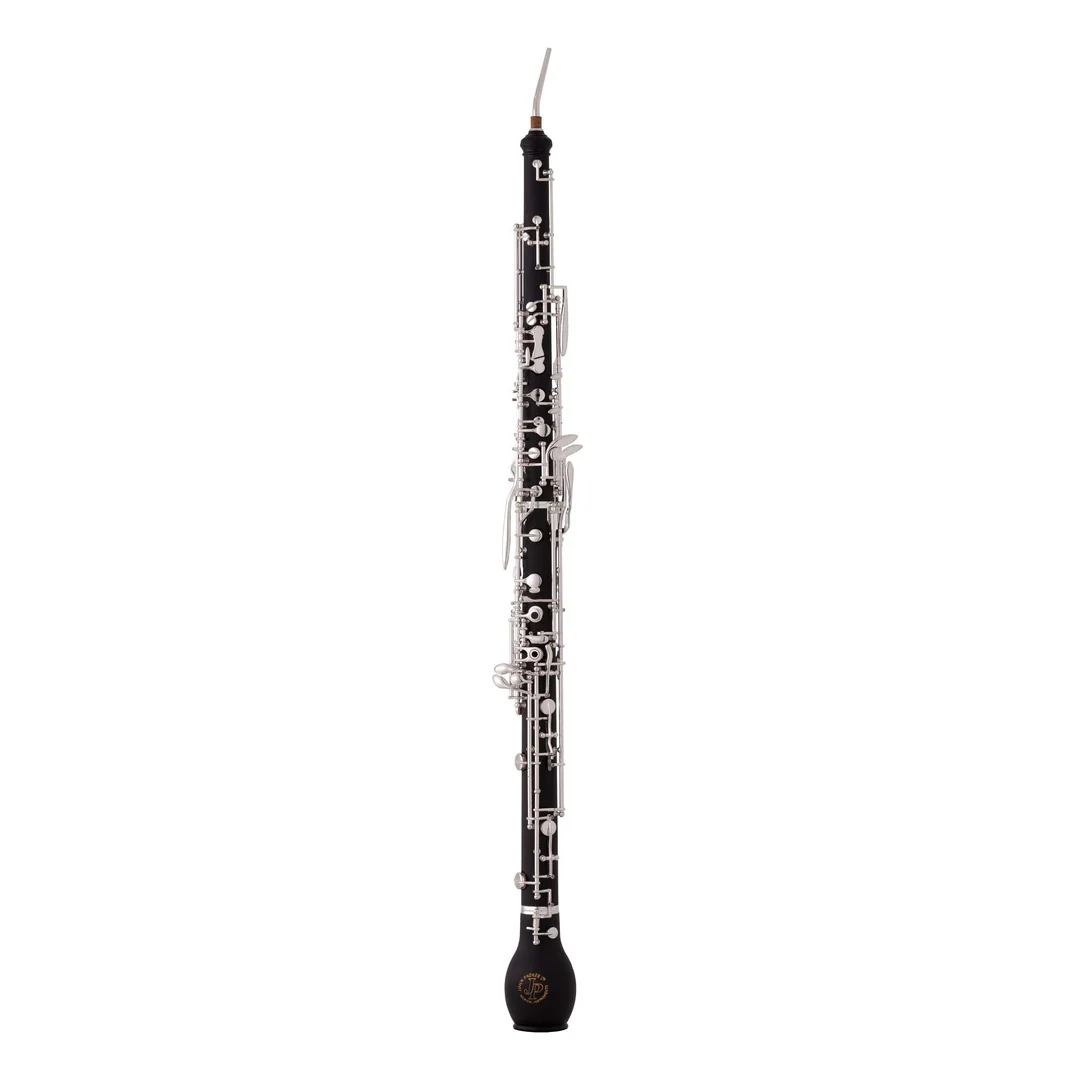
Once again, we find ourselves with something that doesn't come from where it sounds like it's from, and it's not what it's called. This woodwind instrument (which horns can't be) comes from Poland. So it should be called the Polish Oboe.
French Fries
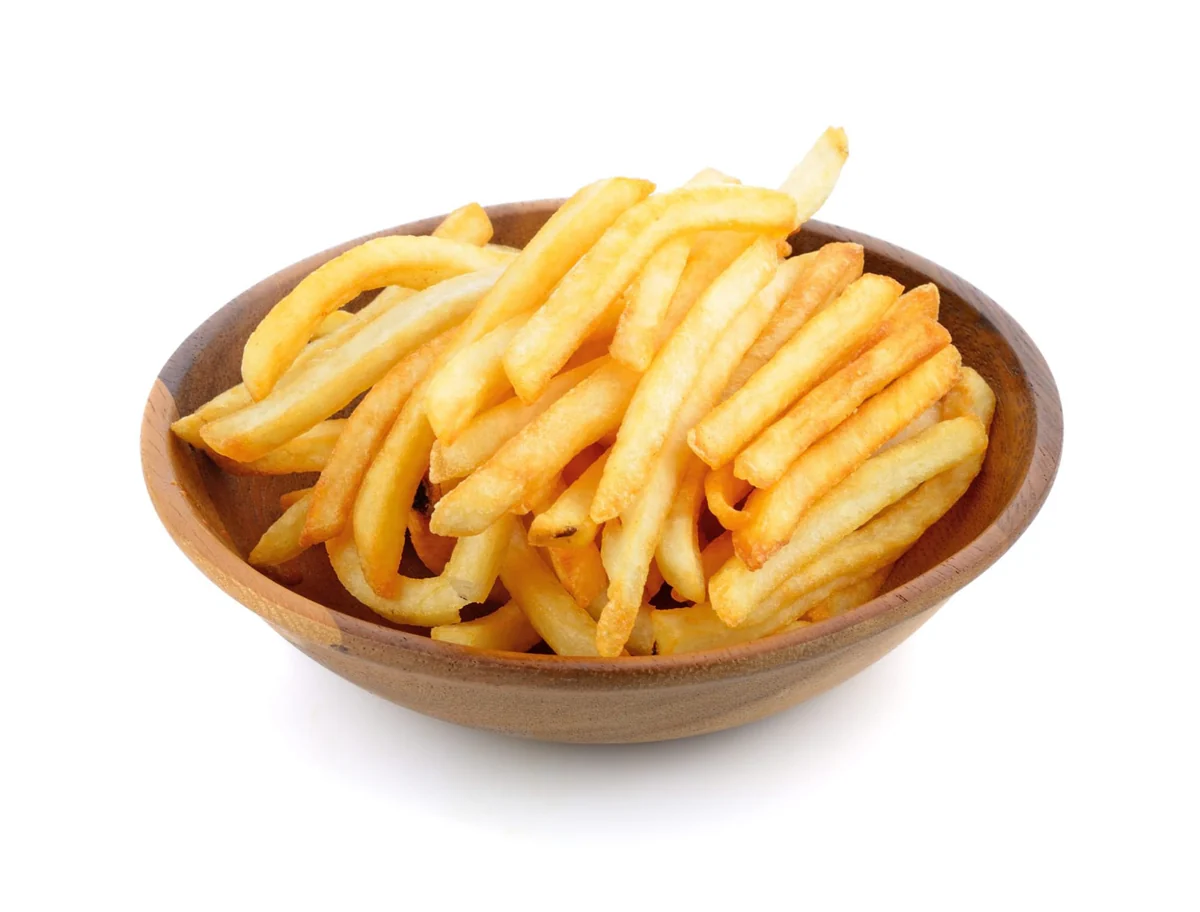
More often referred to as "fries" in the US and "chips" in the UK, these fried potato wedges actually hail from Belgium. More specifically, the French-speaking region of Wallonia, which may be why they are mistakenly called French fries.
English Muffins
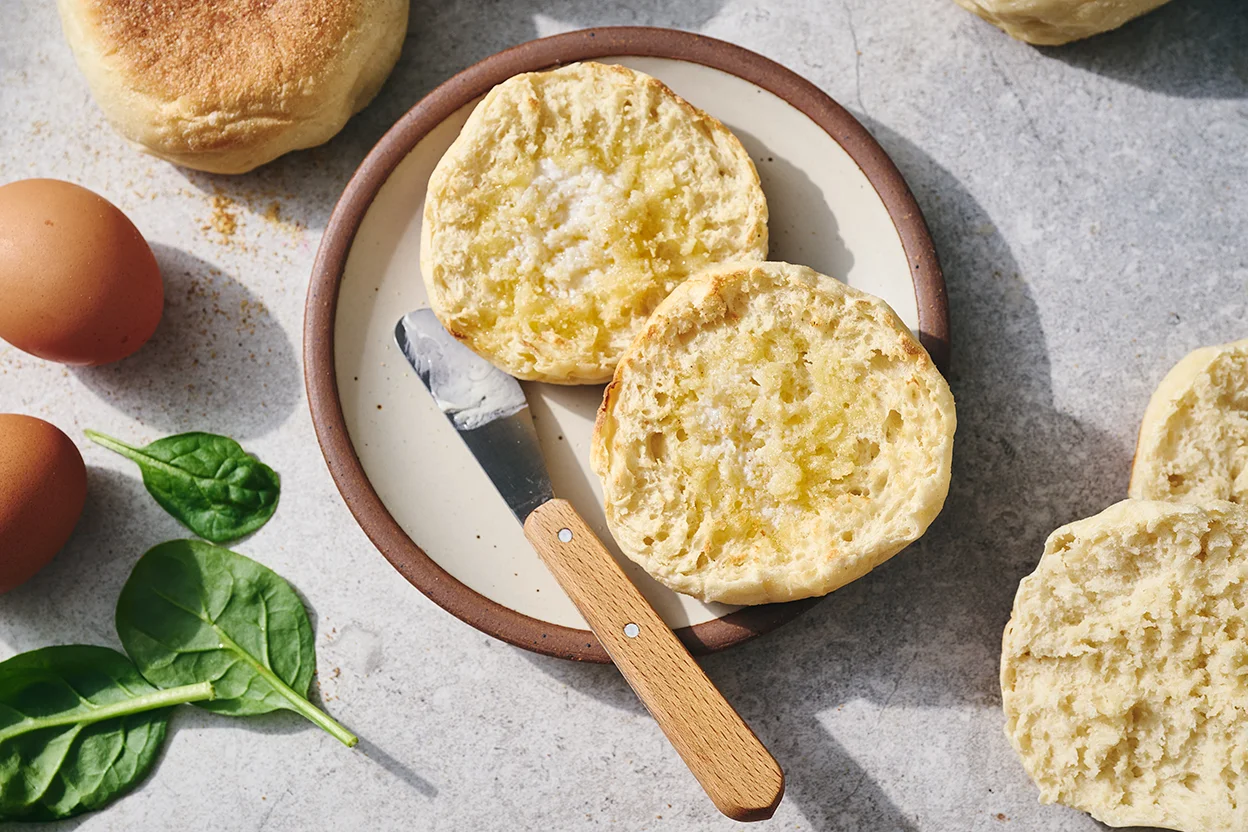
While some may mistake their name for meaning they make up a part of a balanced breakfast in England, these bread products actually originate in New York, USA. They were invented by an Englishman, though. Samuel Beth Thomas coined the term because he wanted to distinguish them from the muffins that Americans are accustomed to, known in the UK as "cake-style muffins."
French Toast
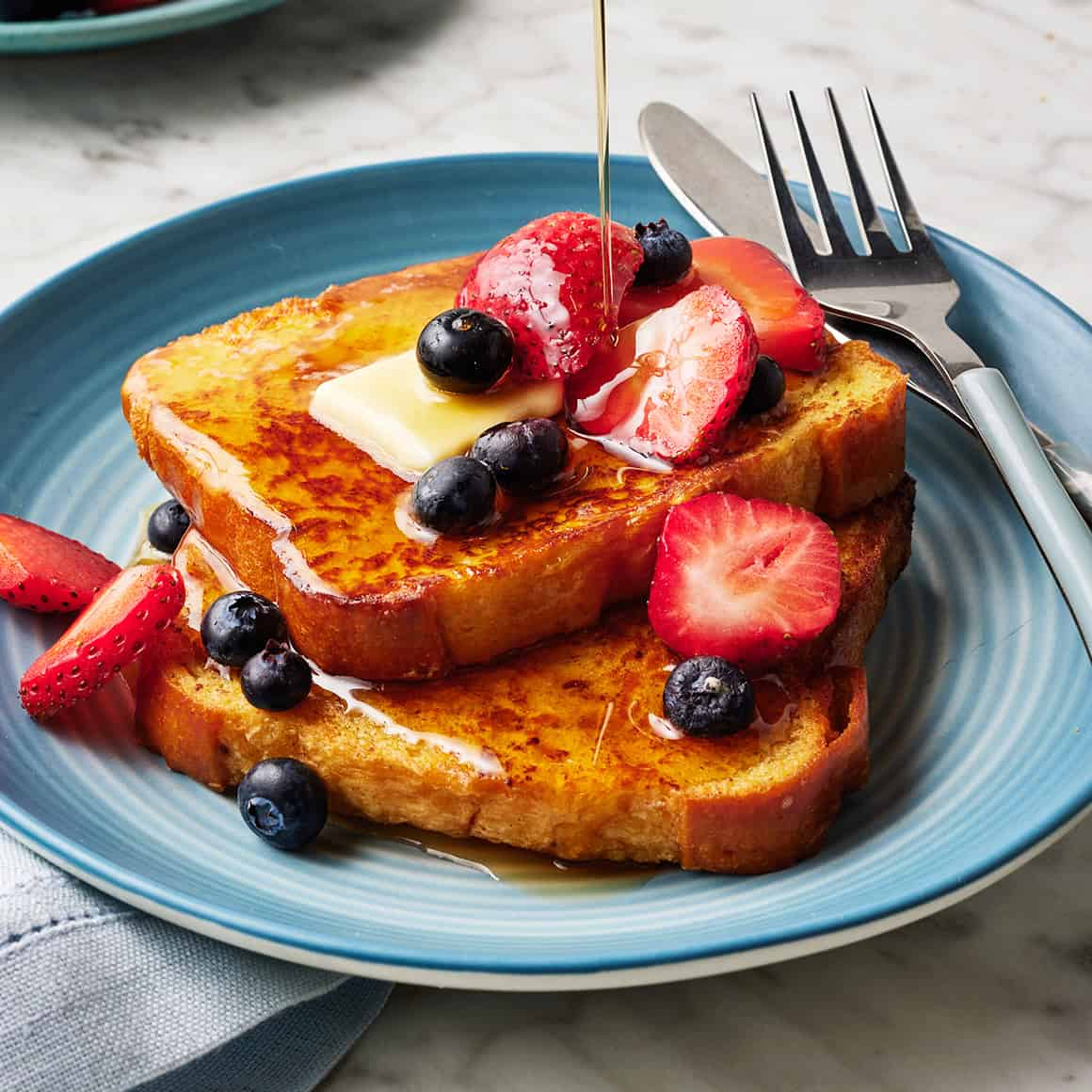
It may seem like something you'd find in a Parisian cafe, but surprise, surprise, it's not of French origin at all. This dish was invented in Albany, New York by an innkeeper named Joseph French. One theory as to why this breakfast dish is called that is because French forgot to put an apostrophe and "s" after the "French" part, resulting in a food that is not called "French's toast."
German Chocolate Cake
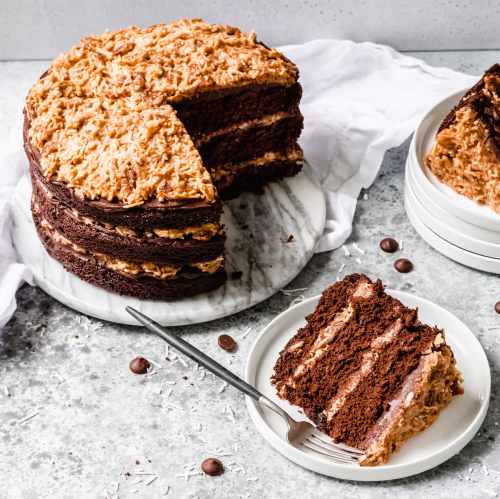
No, this coconut cake doesn't hail from Germany. It doesn't even hail from Europe. This dessert originated in the Lone Star State of Texas. But its namesake is even more confusing if you try to give it what you would first think of as a proper name. Its inventor was American baker Samuel German, who created the recipe in 1852 for the Baker's Chocolate Company. In 1957, however, a Dallas newspaper called it "German's chocolate cake." This might be what you thought it should be called when you read the second sentence of this paragraph, but then immediately thought "that sounds like a chocolate cake for Germans." Even worse, over time, the apostrophe and "s" was dropped from the name, leading to the misnomer that won a spot on this list.
Hawaiian Pizza

Do not argue in the comments about whether pineapple belongs on pizza or not. Now is not the time for that. The reason this controversial food item is on the list is because it wasn't invented in Hawaii. It actually has origins from several places, in the sense that it was invented in Canada by a Greek immigrant who liked the flavors of Chinese food, and the pizza became the most popular pizza in Australia. In terms of what this controversial food item should be called, let's say "Canadian pizza" for now.
Russian Salad Dressing
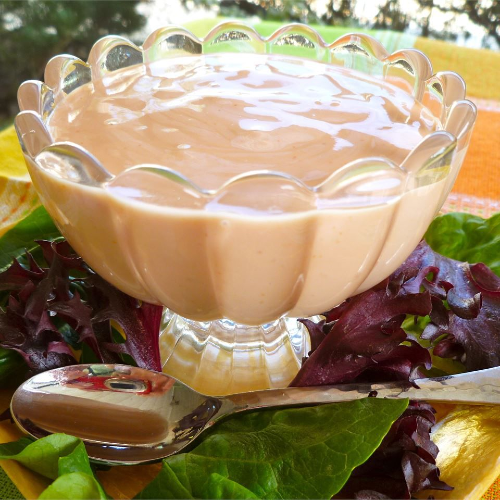
This sauce, which is similar in composition to Thousand Island, doesn't come from Russia at all. It comes from Nashua, New Hampshire, of all places. Its name was earned because the original recipe included caviar, which is a staple in Russian dishes.
Panama Hat

The term for these Ecuadorian-invented head pieces was used as early as the 1830s, but the term, as well as the hats, grew in popularity after then-President Theodore Roosevelt was seen wearing one while touring the Panama Canal in 1906.
Brazil Nuts
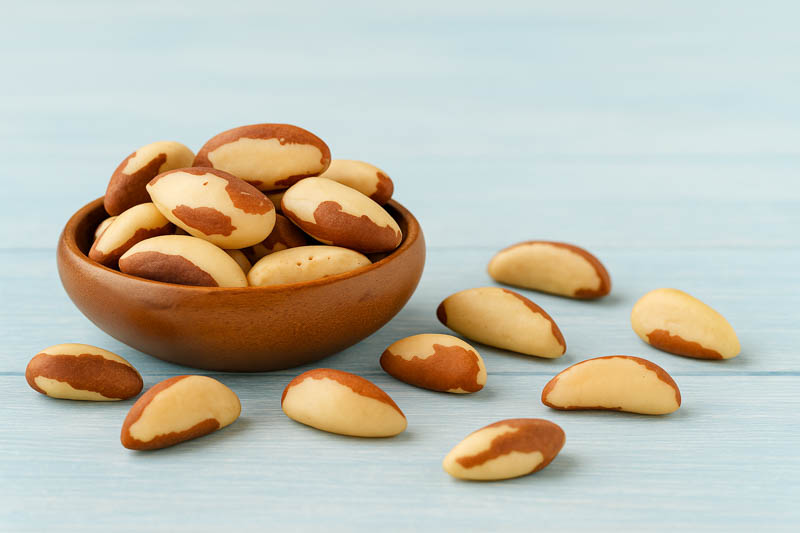
These nuts actually come from Bolivia. Though, to be fair, these nuts come from a country in South America that starts with a "B," so it would be easy to mix up Brazil and Bolivia.
Spanish Flu

While its origins are disputed, what we do know is that it could have come from an American soldier eating infected pork from Europe. But the disease was called that because the Spanish press reported on the pandemic the most. And, for the record, please don't use this term. If you avoid terms like "Chinese virus," then it would make no sense to use this term. Just say "1918 Pandemic" or something.
Arabic Numerals
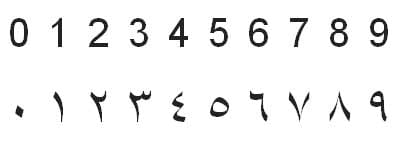
Though these ways of writing numbers were invented in India, the numerals were transmitted to Europe by Arab mathematicians. As such, the Europeans thought the Arab mathematicians created the numbers and falsely (albeit unknowingly) named the numerals "Arabic."
Jerusalem Artichoke
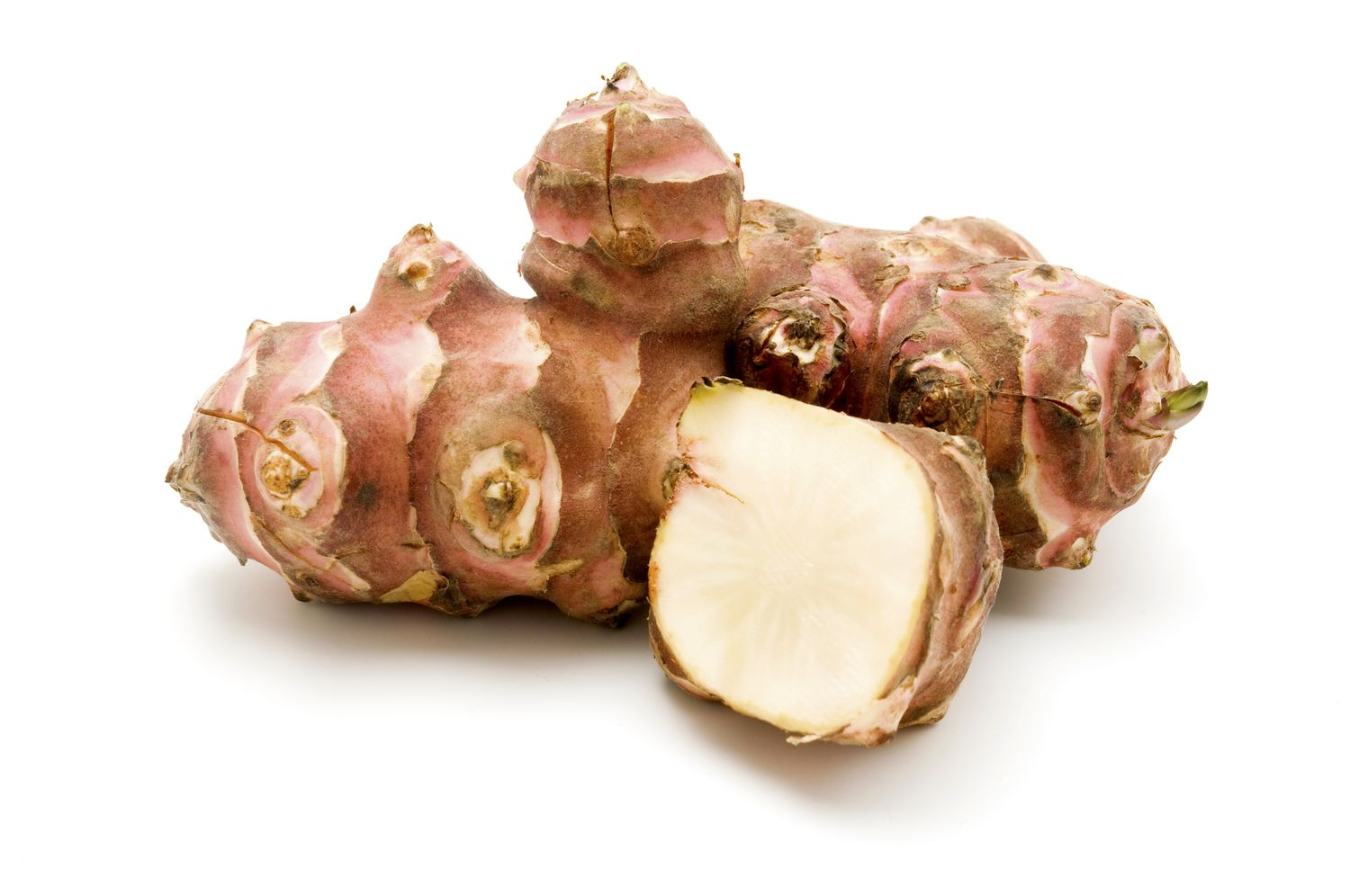
This root vegetable comes from North America. How the term "Jerusalem" came to be associated with it is unknown, but many have said that the Italian word for "sunflower" (Girasole), which sounds like "Jerusalem," was used to describe the vegetable. And that brings us onto the topic of this vegetable not even being an artichoke at all. It's a member of the sunflower family.
Honorable Mention: Newfoundland Dog and Labrador Retriever
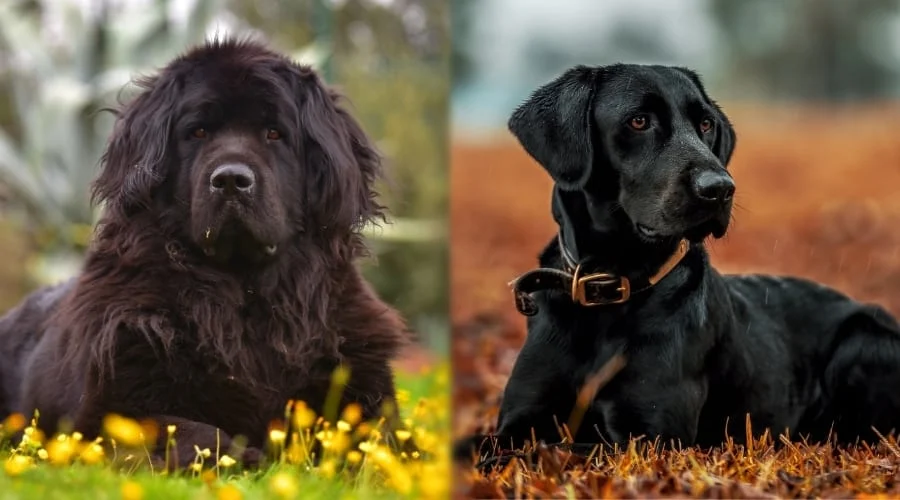
Believe it or not, the Newfoundland dog is from Labrador, and the Labrador retriever is from Newfoundland. The reason for this mix-up is that, when the Labrador retriever was bred, the breeders were looking for a name for the new breed. The name "Newfoundland Dog" was already taken, so they named the Labrador retriever after the Labrador Sea, off the coast of Newfoundland.
Holy Roman Empire
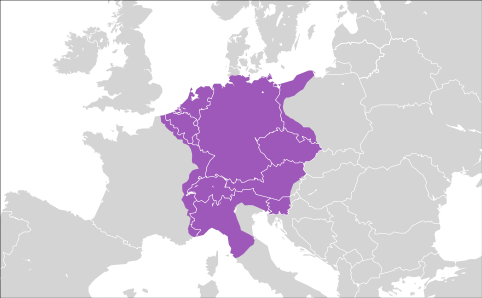
And, last but certainly not least, a triple misnomer. None of the three words in this country's title are accurate. This one wasn't holy, it wasn't a part of Rome, and it was not an empire. Only a chunk of what is now Italy was included in this empire. The empire encompassed the modern-day countries of Germany, Switzerland, Czechia, Liechtenstein, Belgium, Luxembourg, and The Netherlands. It also included large parts of what is now Austria, Slovenia, Poland, and France. Its name comes, in part, from the fact that it was seen as a continuation of the ancient Roman Empire, and as such, was endorsed by the Pope, making it "Holy." The term was officially adopted in 1254, even though the concept of the name dates back to the coronation of Charlemagne in 800 CE.
Is there a misnomer you know of that wasn't mentioned? What do you think these things should be called? Leave a comment!
Sources: Mental Floss
 Paul Anthony Jones