16 Box Office Flops That Became Classics

Sometimes, a movie that is considered a classic today wasn’t successful during its release. Some movies take up to a few decades to be fully appreciated. Here are 10 movies that flopped at the box office but still made their way into the public domain as classics.
Citizen Kane (1941)
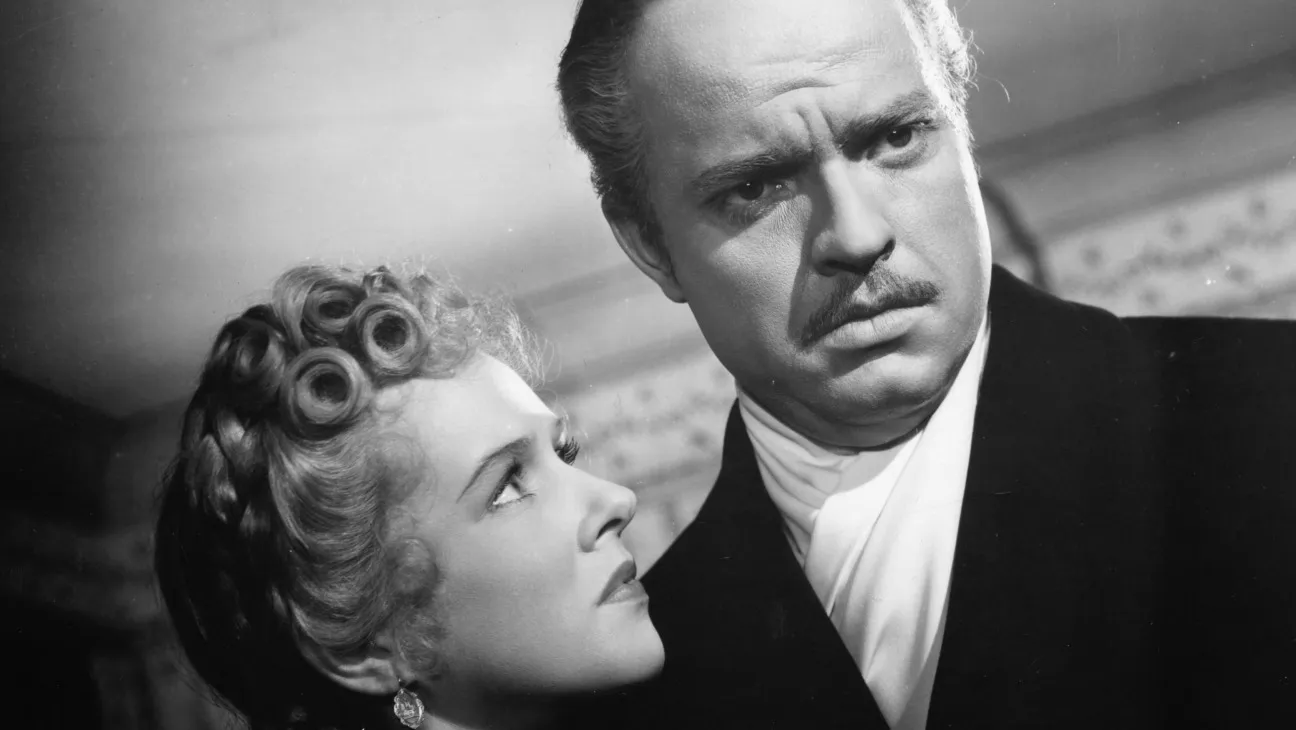
Often considered the greatest film of all time, it’s probably even less believable that this was a flop as well. And yet, here we are. This tragic drama directed by Orson Welles tells of the rise and fall of a newspaper tycoon (reminiscent of William Randolph Hearst and Joseph Pulitzer). It impressed critics and audiences alike, but it failed to make its budget back during its release. A decade later, through re-appraisal by the French film press, Citizen Kane was resurrected into the public eye
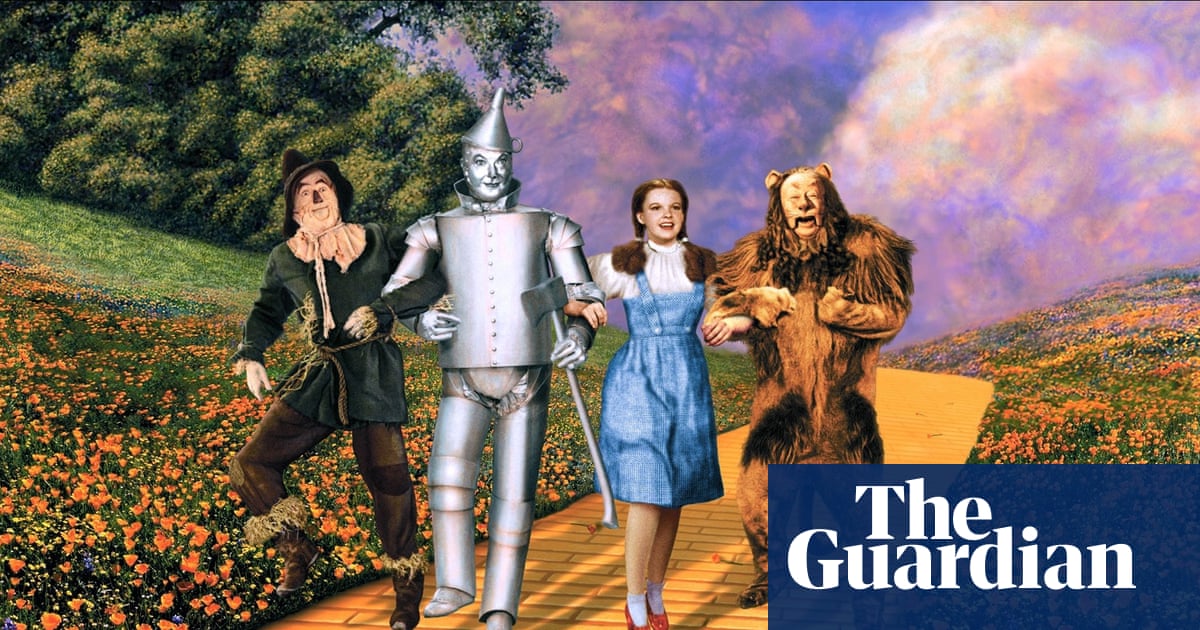
The Wizard of Oz (1939)
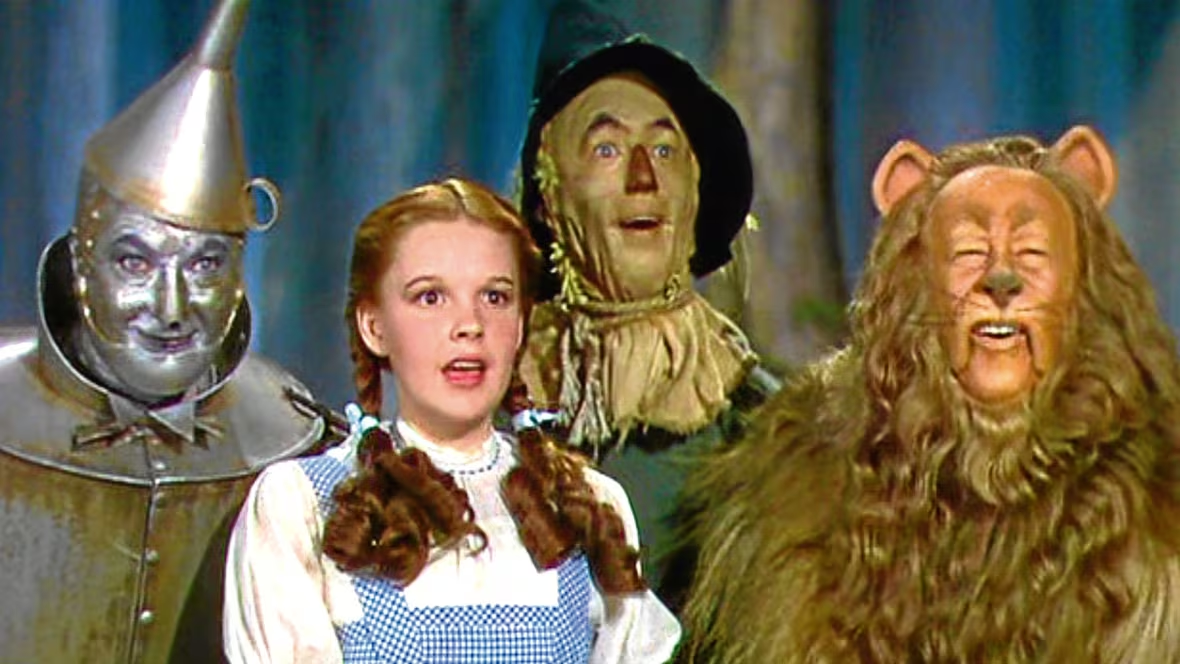
For a film that garnered this much fame, it might be difficult to accept that it did poorly at the box office. But it did. Despite grossing $3 million ($68.1 million today), high production costs meant it wasn’t profitable for Metro-Goldwyn-Mayer. Judy Garland even said in her autobiography “fantasy is always a risk at the box office.” A 1949 re-release revived the public’s interest in this film, and re-runs throughout the 1950s and beyond allowed The Wizard of Oz to find its place over the rainbow.
American Psycho (2000)
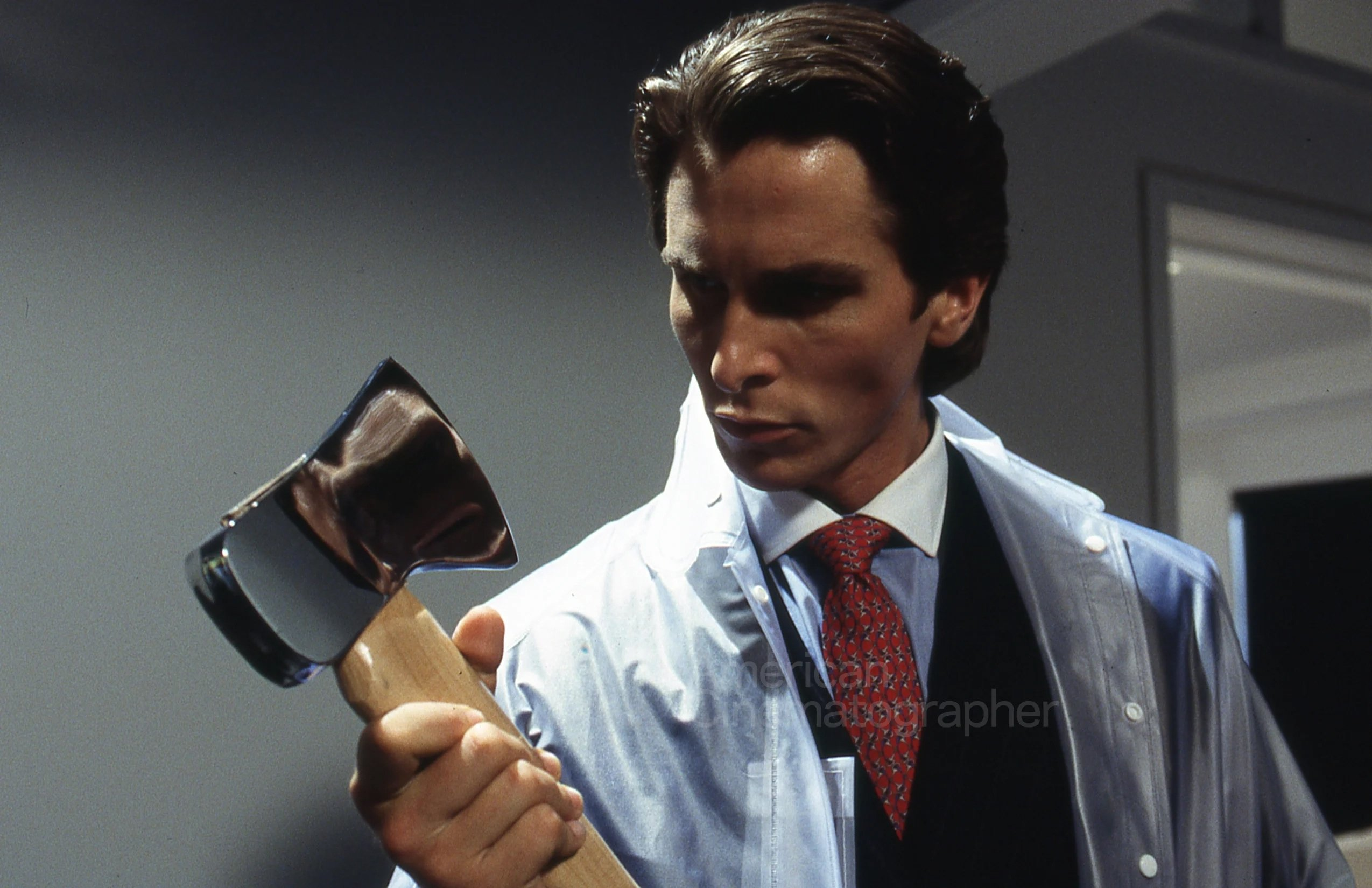
Possibly the most controversial movie on this list, American Psycho sees (ironically) British actor Christian Bale as Patrick Bateman, a serial killer banker in late 80s New York City. Similar to 1999's Fight Club, American Psycho uses graphic violence that is, naturally, not well-suited for sensitive viewers. The author Bret Easton Ellis relies more on imagination, and the movie is a sight to behold that relies on an audience's reaction. Regardless, this one earned $12 million against a $7 million budget, and that was well below people’s expectations. It did, however, receive praise for Christian Bale’s performance, and the lingering suspicion that it was either real or in Patrick’s imagination the whole time has kept moviegoers talking about this one well after its release.
Willy Wonka and the Chocolate Factory (1971)
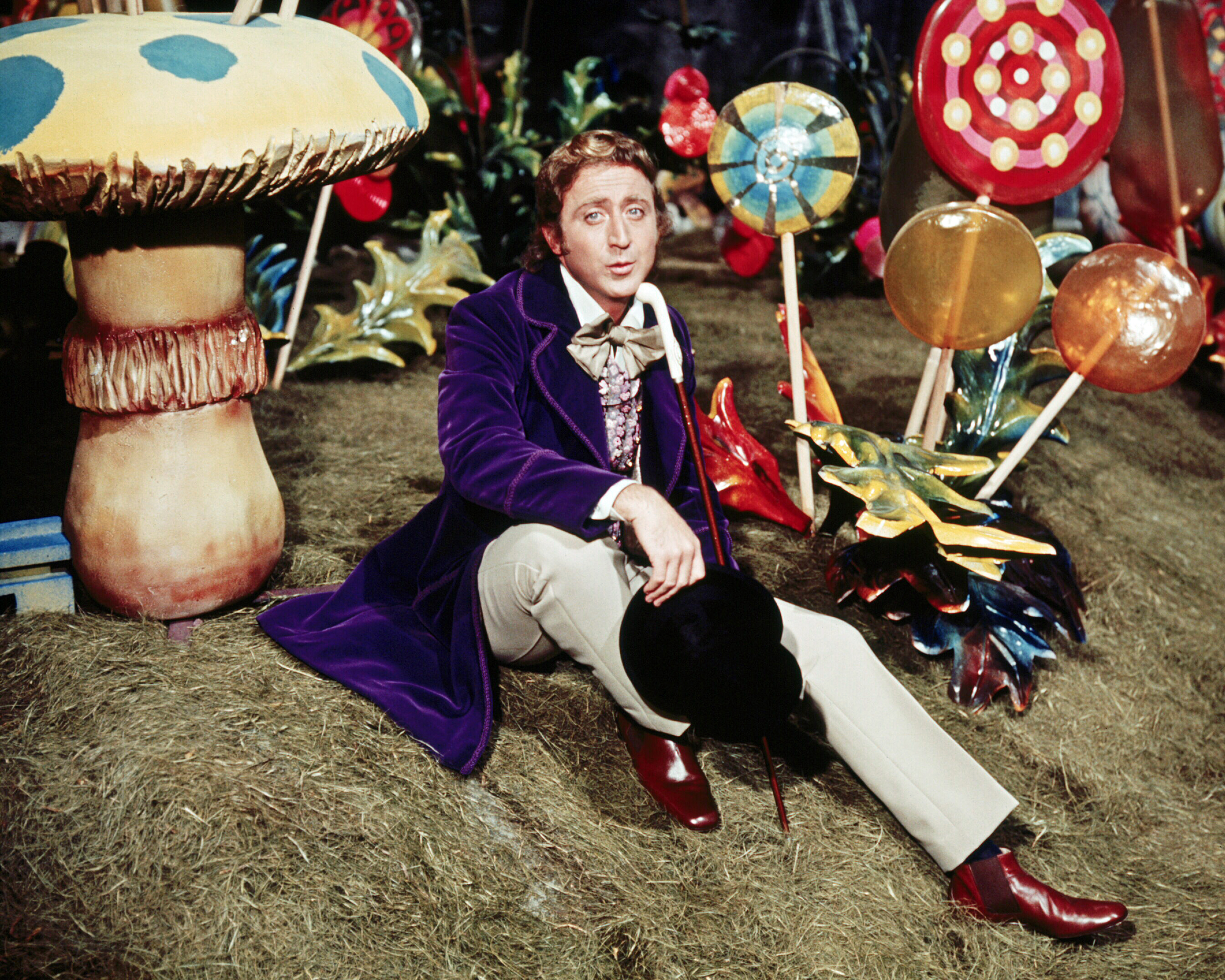
Broadcasts and re-runs, along with a slew of internet memes, make many believe that Willy Wonka and the Chocolate Factory was always a hit. But no. When it opened in 1971, this film version of Roald Dahl's Charlie and the Chocolate Factory underperformed, grossing $4 million. In 1971, this film was the 24th highest grossing film of the year. It was so unpopular that Paramount declined to renew its distribution years later and it was sold to Warner Bros. Only then, long after its initial release, did it find a proper audience.
Labyrinth (1986)
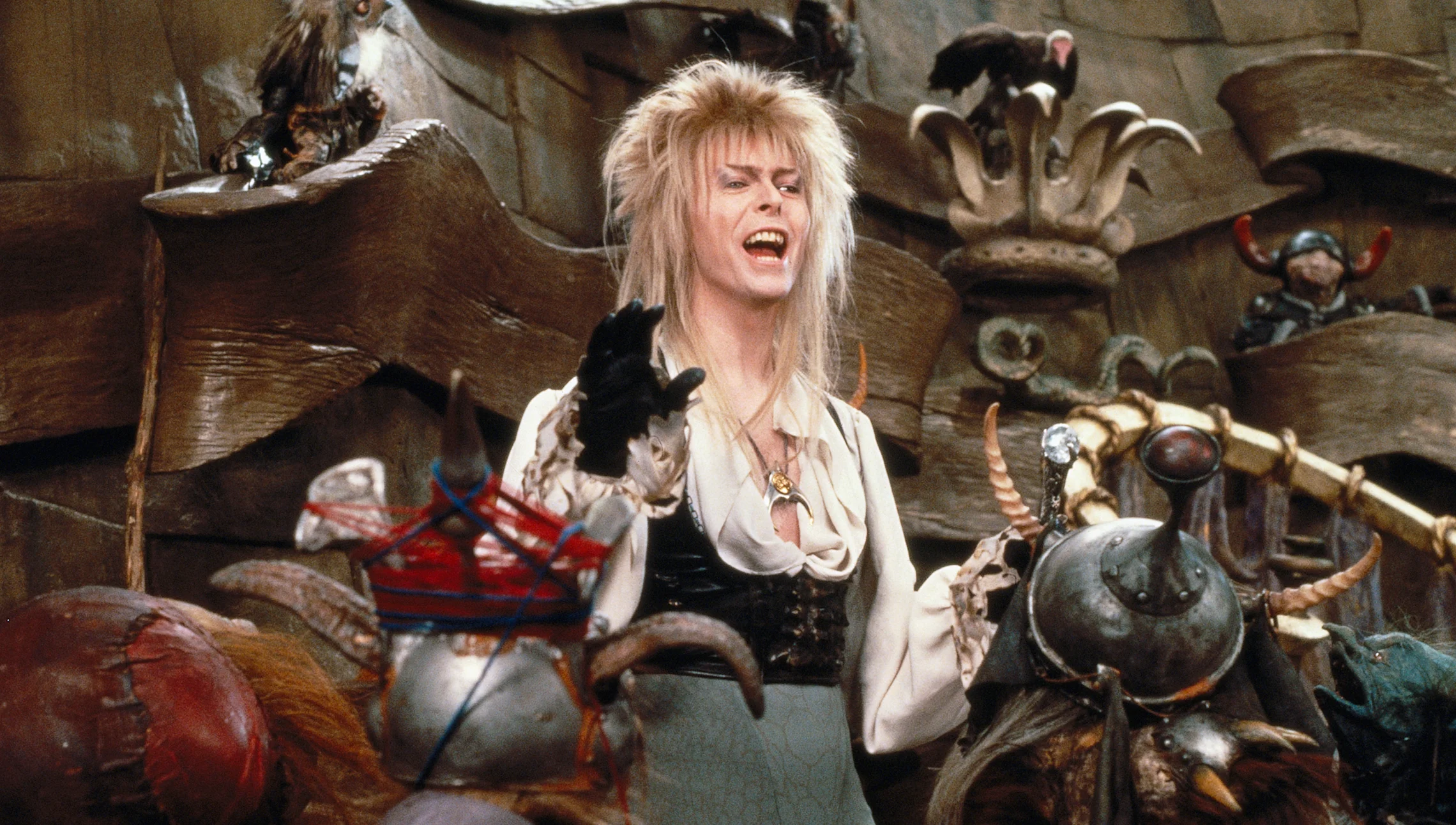
Not even David Bowie could help this one gain success. Its budget was $20 million, and it received just under $14 million at the box office, which wasn’t even over half its budget. Jim Henson and the crew were disheartened, and the movie is considered to be Henson's biggest flop. But among its strange coming-of-age story, that’s not to say that it was Bowie’s performance that helped this one gain cult status years later. There were also good reviews from critics which helped in that regard.
Scott Pilgrim vs The World (2010)
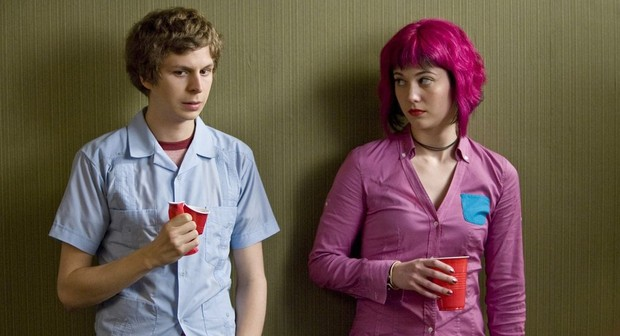
Famed for his Cornetto Trilogy, director Edgar Wright made this one in between Hot Fuzz (2007) and The World's End (2013). He attempted to bring a colorful rendition of the graphic novels by Bryan Lee O'Malley to life, with Michael Cera starring alongside several future movie stars, including Anna Kendrick, Aubrey Plaza, Chris Evans, and Brie Larson. Cera played the bass guitar-playing loser who deals with his new girlfriend's seven evil exes. Scott Pilgrim couldn't outdo its rival The Expendables, but those who saw it in August of 2010 knew it was destined to be a classic one day.
The Shawshank Redemption (1994)
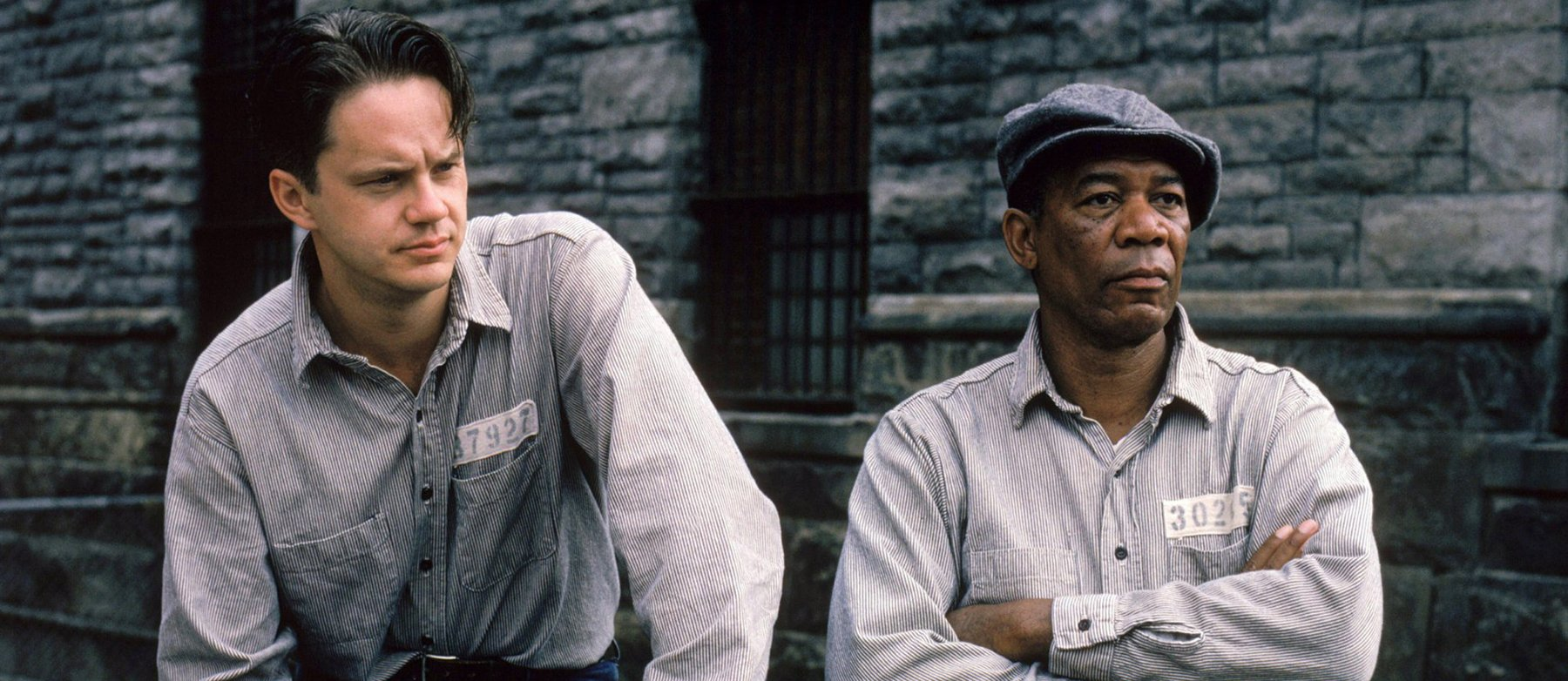
Despite Oscar nominations and recognition as one of the greatest films of its decade, not many saw it when it opened in September of 1994. Here's an unfun fact: Director Frank Darabont and producer Liz Glotzer went to its opening weekend at the Cinerama Dome in Los Angeles and were the only ones there. With a bleak tone, a long title, competition from Pulp Fiction and Forrest Gump, and a trend towards action movies are noted as reasons for its low box office. Nowadays, it is hailed as the industry’s standard and the kind of thing everyone in Hollywood wants to leave behind
Blade Runner (1982)
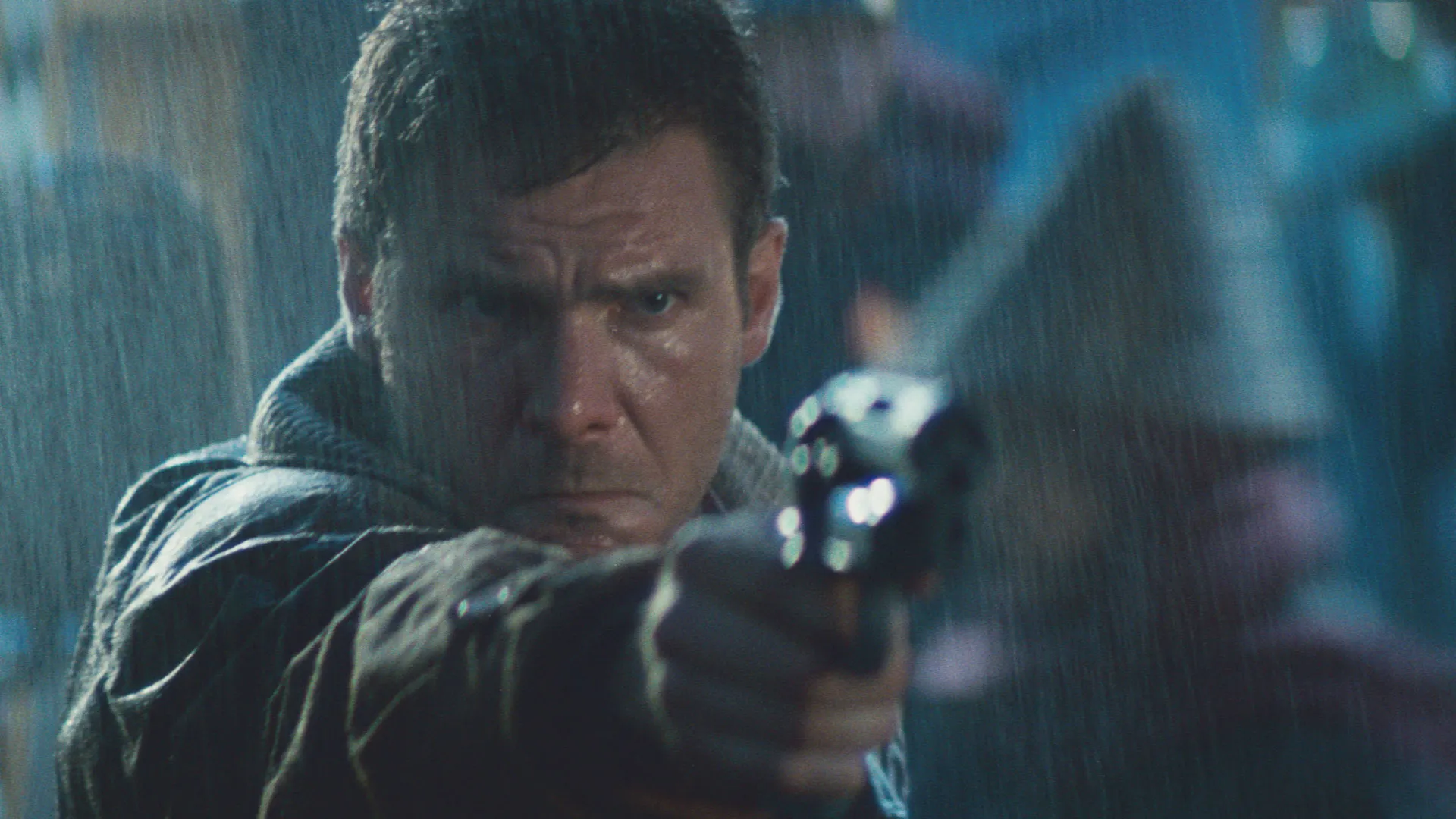
Based on the Philip K. Dick novel Do Androids Dream of Electric Sheep, Ridley Scott's sci-fi movie about a bounty hunter of replicants (humanoid robots) failed to meet the same success as its competitor films E.T. The Extra-Terrestrial, Conan the Barbarian, and Star Trek II: The Wrath of Khan. But its influence is unmistakable, with references to it found across other movies, comic books, and video games.
The Rocky Horror Picture Show (1975)
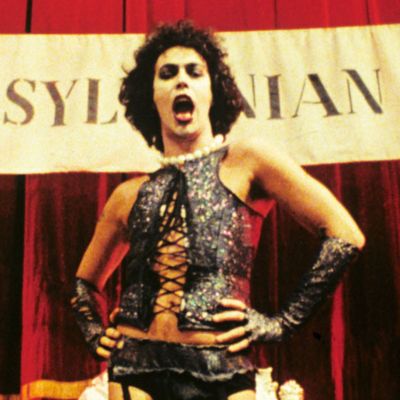
Even with a legendary performance from Tim Curry as the transvestite Dr. Frank-N-Furter, bad reviews and poorly attended early screenings in 1975 almost doomed this movie. In fact, a New York City premiere on Halloween night was canceled. But the movie found a new life in midnight screenings, and now you can see it again. Its energy invites audiences to come in costume and sing and dance, making The Rocky Horror Picture Show the perfect choice for the witching hour
Matilda (1996)
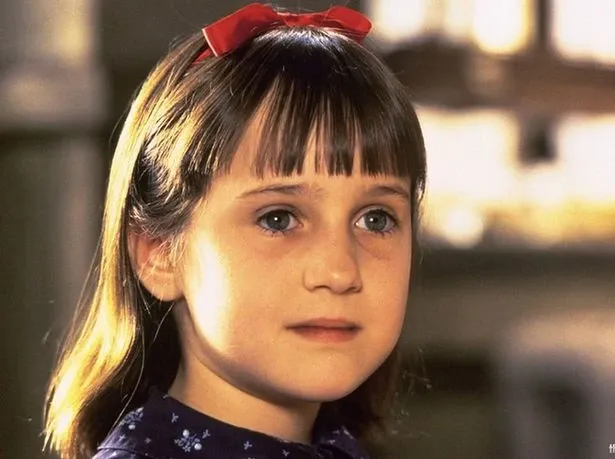
Directed by and starring Danny DeVito, this was an adaptation of the story of the same name by famed children’s author Roald Dahl. Despite these promising aspects, the world didn’t like it, at first. It received $33 million at the box office against a $36 million budget, but it did receive good reviews from critics, praising the movie’s many oddities. Nowadays, it lives on as a Tony-winning musical.
It's a Wonderful Life (1946)
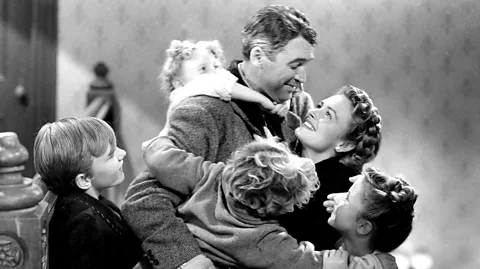
Arguably the most popular Christmas film of all time, to say that it wasn't praised as such at the time of its release would be an understatement. Even though it had five Oscar nominations, including best picture, it got terrible reviews and lost the studio RKO almost $29 million, adjusted for inflation. In 1976, however, the copyright lapsed, and it started becoming a TV staple, much to the amazement of director Frank Capra. "It's the damndest thing I've ever seen," Capra said to the Wall Street Journal in 1984. "I'm like a parent whose kid grows up to be the president."
The Thing (1982)

While ET is known as the alien with a glowing finger, John Carpenter's remake (yes, it is a remake) opened two weeks after that and four weeks after Poltergeist. This resulted in it plunging down the box office charts at number 8. Critics and audiences were understandably disgusted with the grotesque effects from Rob Bottin. Despite that, it's now a favorite among sci-fi fans, and has inspired video games, spin-off comics, a bad 2011 prequel, and others of the like.
Fight Club (1999)
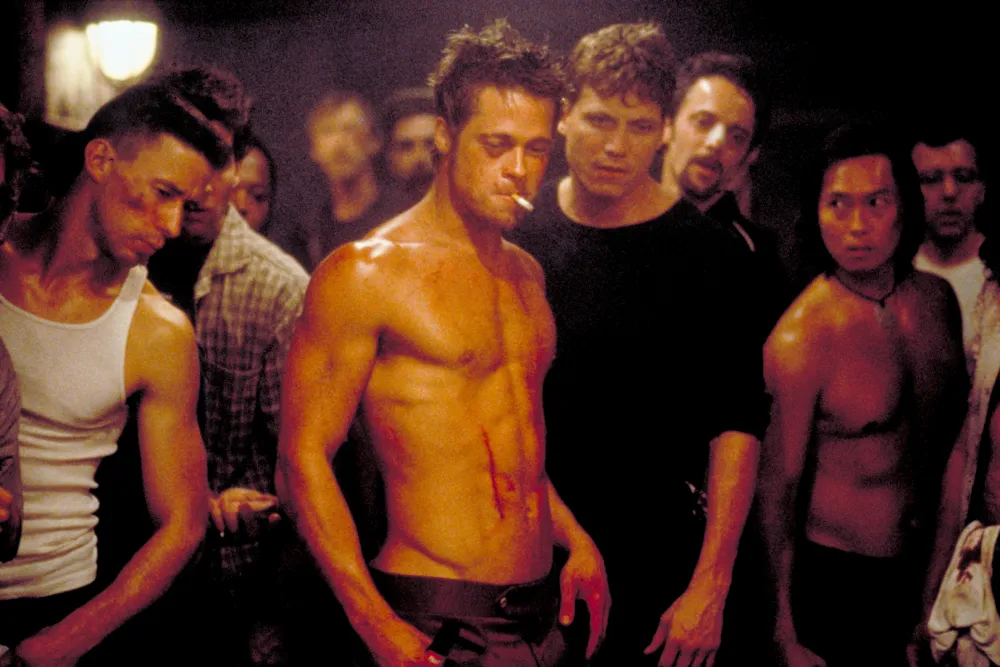
Grossing $37 million in the US and Canada against a $63 million budget is not ideal. But thanks to DVD sales (as in 13 million DVD copies sold) in the years afterward, director David Fincher said the movie "paid for itself." 20th Century Fox actually disliked the movie and altered the planned marketing campaign, which did contribute to the box office disappointment, according to Fincher. That, combined with a controversial depiction of violence and themes polarized critics and audiences during its theatrical run. But it is true to say that the movie quickly gained a fanbase, mostly on home video, due to its narrative and engaging performances from Brad Pitt and Edward Norton.
Donnie Darko (2001)
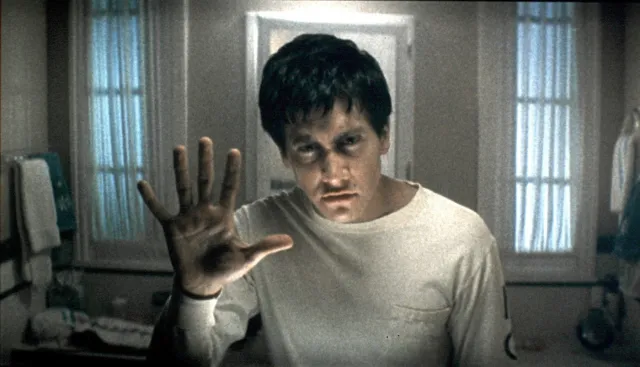
While it did better in the international community, but it received a poor reception at Sundance. Richard Kelly also had problems finding an American distributor for his movie. Distributors were scared of dark teen movies after the Columbine massacre in 1999, and the plane crash in the trailer hampered it even more after 9/11. Nevertheless, it found its way into New York's Pioneer Theater, where it played for over two years, thanks in part to devoted moviegoers. Not only that, but it also got a director's cut, which cemented its status and allowing for even deeper appreciation for its complexities.
The Iron Giant (1999)
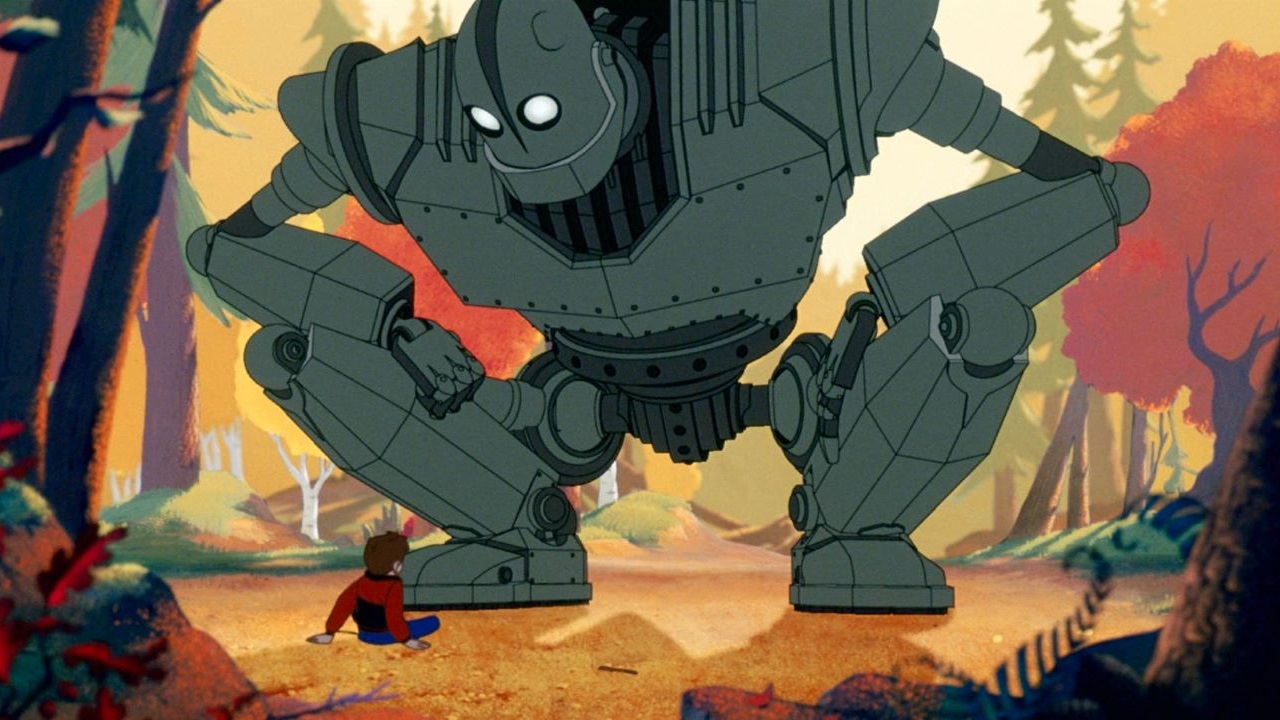
Even a touching story and heart can't save a movie from box office failure. Thanks in part to Warner Brothers under-promoting the movie during its initial release, and the movie's themes of a misunderstood being during the Cold War, its premise was not a familiar concept with audiences of the time. But its success on home video and through positive word-of-mouth helped it gain the reputation of an underappreciated masterpiece and pop culture icon.
Big Trouble in Little China (1986)
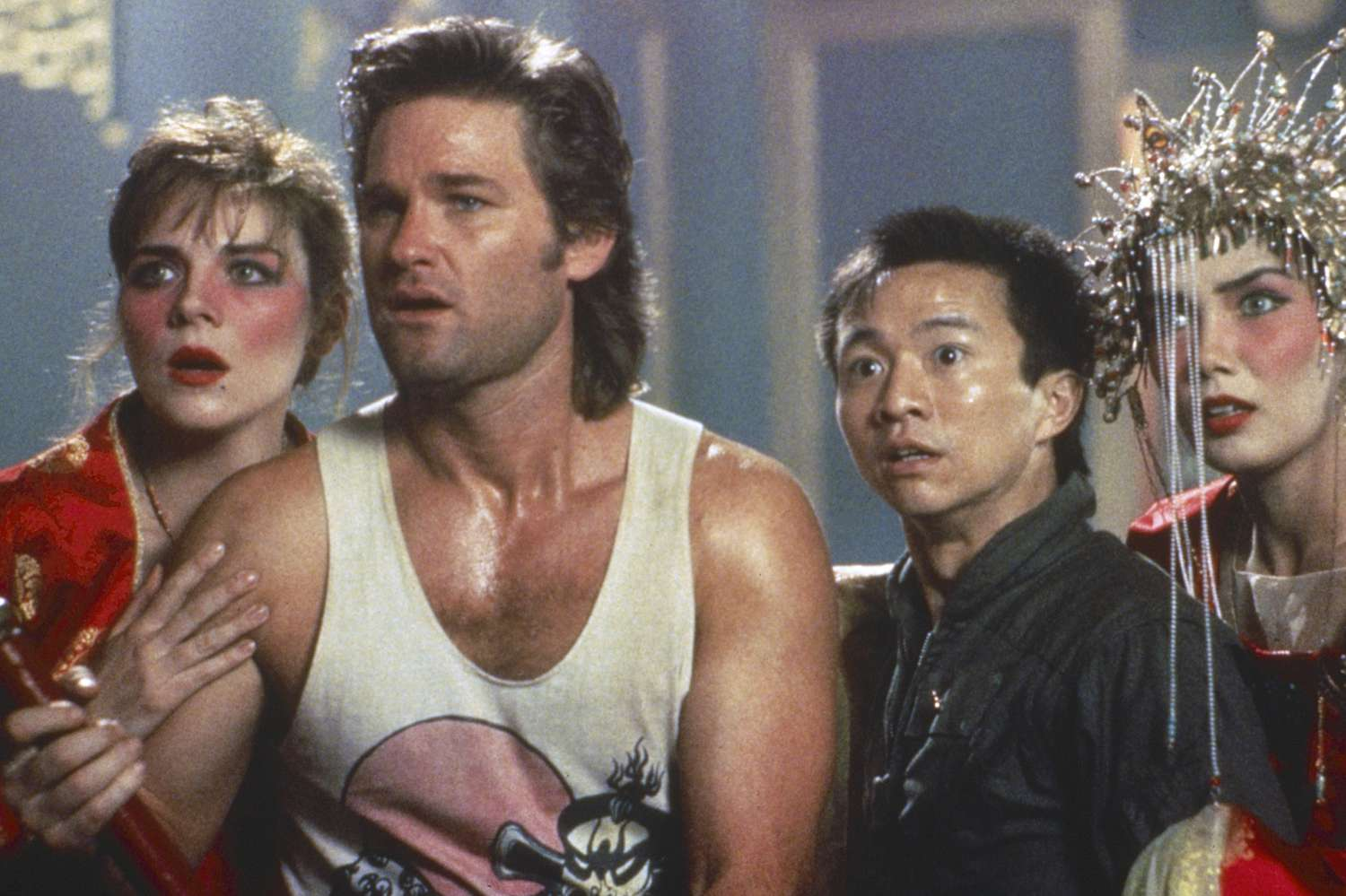
This one gained a large, devoted following over time through home video, which helped it gain a reputation as a movie that one might call a "beloved cult film." Some argue that its lack of promotion by the studio contributed to its poor performance at the box office. Nowadays, however, it is celebrated for its interesting blend of martial arts, campy adventure, and comedic elements.
Is there a classic that was a flop that you enjoyed? Leave a comment!
Sources: BuzzFeed, ScreenCrush, Total Film, The Guardian
 Benjamin DzialdowskiBuzzFeed Staff
 Claire Epting
 Tim Robey