8 Scariest Sounds of World War II

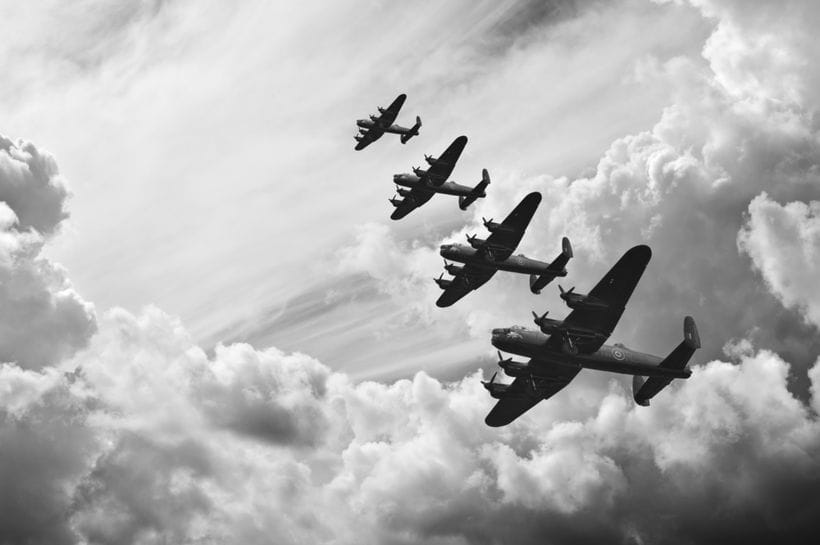
War is hell. Most everyone knows that. But certain sounds can take a toll on even the most hardened soldiers. Modern warfare may give us sounds like the A-10 Warthog’s cannon “BRRRT” or a Tomahawk missile flying overhead. But 80 years ago, both sides of the Axis and Allied powers provided some chilling noises on the battlefield. For this list, we will number the sounds from least scary to scariest.
Junkers Ju 87 "Stuka"
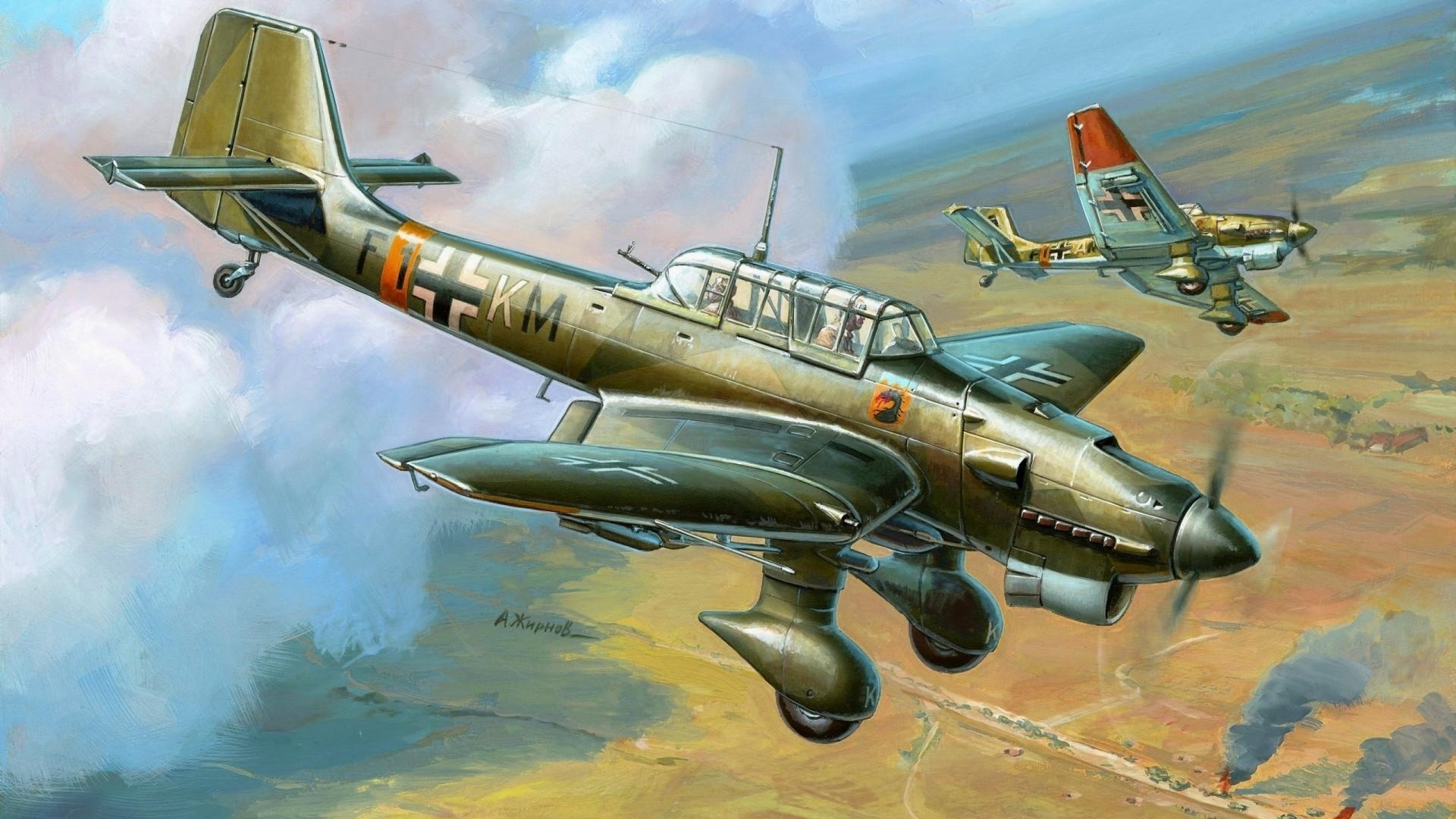
This German dive bomber was popularly known as the "Stuka" (pronounced "Sh-too-kuh") and was one of the longest-serving German aircraft, serving until the end of the war, though it was first flown in 1935 and made its debut during the Spanish Civil War (1936-1939). On the leading gear edges of its main gear legs, there were mounted air-raid sirens, later known as “Jericho Trumpets,” which produced disturbing sounds when they were used in flight. Thanks to that, the plane became a propaganda symbol of German air power.
Supermarine Spitfire
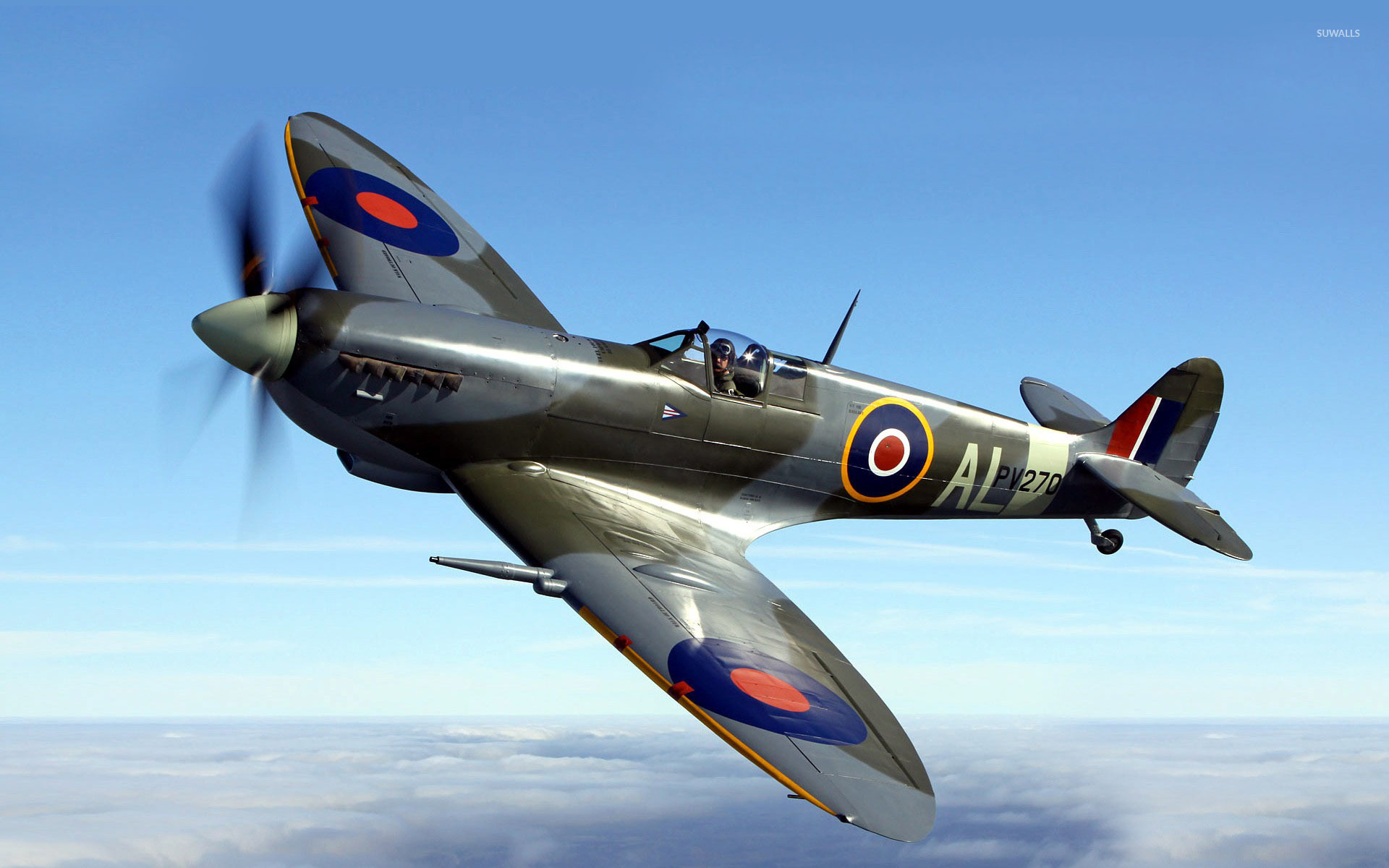
One of the most iconic British aircraft of its time, it was produced in greater numbers than any other British fighter. It was a short-range, single seat, high-performance interceptor, recognizable for its elliptical wing design. Spitfires are often associated with the 1940 Battle of Britain, but the Hawker Hurricane outnumbered the Spitfires that year, although Spitfires had a lower attrition rate. They also boasted the highest victory-to-loss ratio. This may be one reason why, even today, the Spitfire has a following among World War II fanatics, like the North American P-51 Mustang.
Nebelwerfer
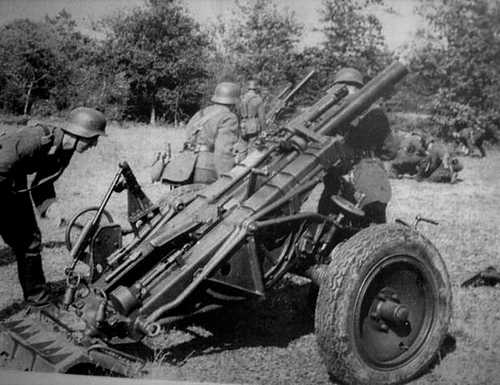
The name means “fog launcher” in German. Originally used to launch smoke shells, the later versions used high explosive shells. The rockets made a shrill howling noise. Allied soldiers in Sicily nicknamed it “Screaming Mimi.” The launchers were mounted on the Panzerwerfer. This tracked armored vehicle added an element of visual dread to the Allies.
Katyusha
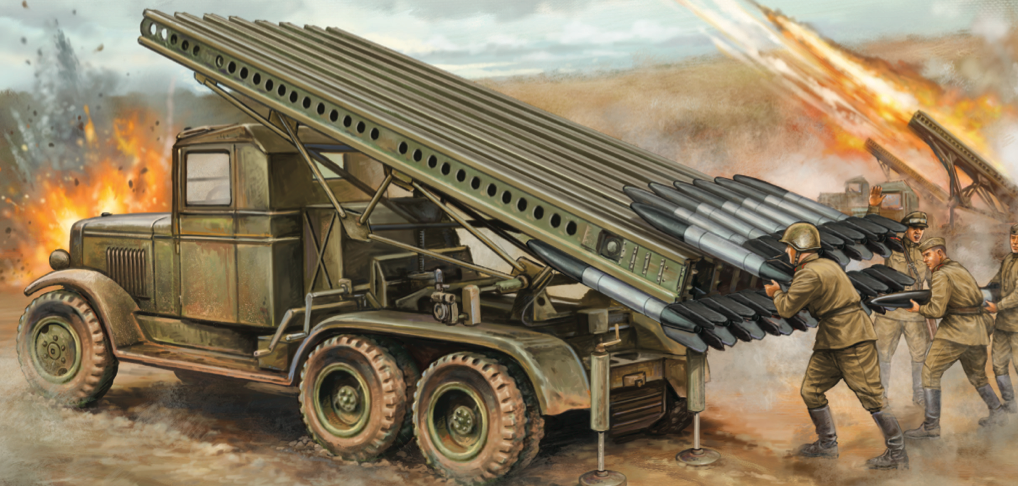
This Soviet weapon was, arguably, even worse than the Nebelwerfer. Nicknamed “Stalin’s Organ” by the Germans, they first encountered this rocket launcher in 1941. Katyushas were mounted on ordinary trucks, and were the first mass-produced, self-propelled artillery weapons. Many rockets would be launched at one time. Its rocket motors made a distinctive noise, adding elements of psychological warfare.
V-1 Flying Bomb
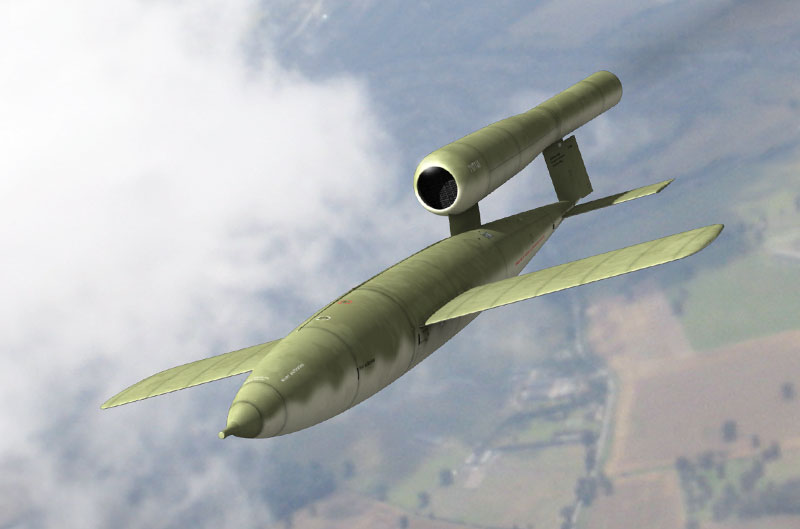
This flying bomb was Germany’s first “vengeance weapon” as used for terror bombing London. It was an early cruise missile, called the “buzz bomb” or “doodlebug” by the Allies. The V-1 was designed in 1939 and was powered by a simple pulsejet engine and pulsed 50 times a second, producing the characteristic buzzing sound. The first one was launched at London on June 13, 1944, prompted by the Allied landings on D-Day.
MG 42
Video source: MasterHand125 on YouTube
This German recoil-operated machine gun was used extensively during the second half of the war. It proved to be highly reliable and inexpensive. Its most notable feature was its very high cyclic rate. For a gun using full-power service cartridges, it was unique. The MG 42 fired about 1,200 rounds per minute, twice that of the American Browning M1919. Its sound led it to being named “Hitler’s buzzsaw.”
Heavy Tanks
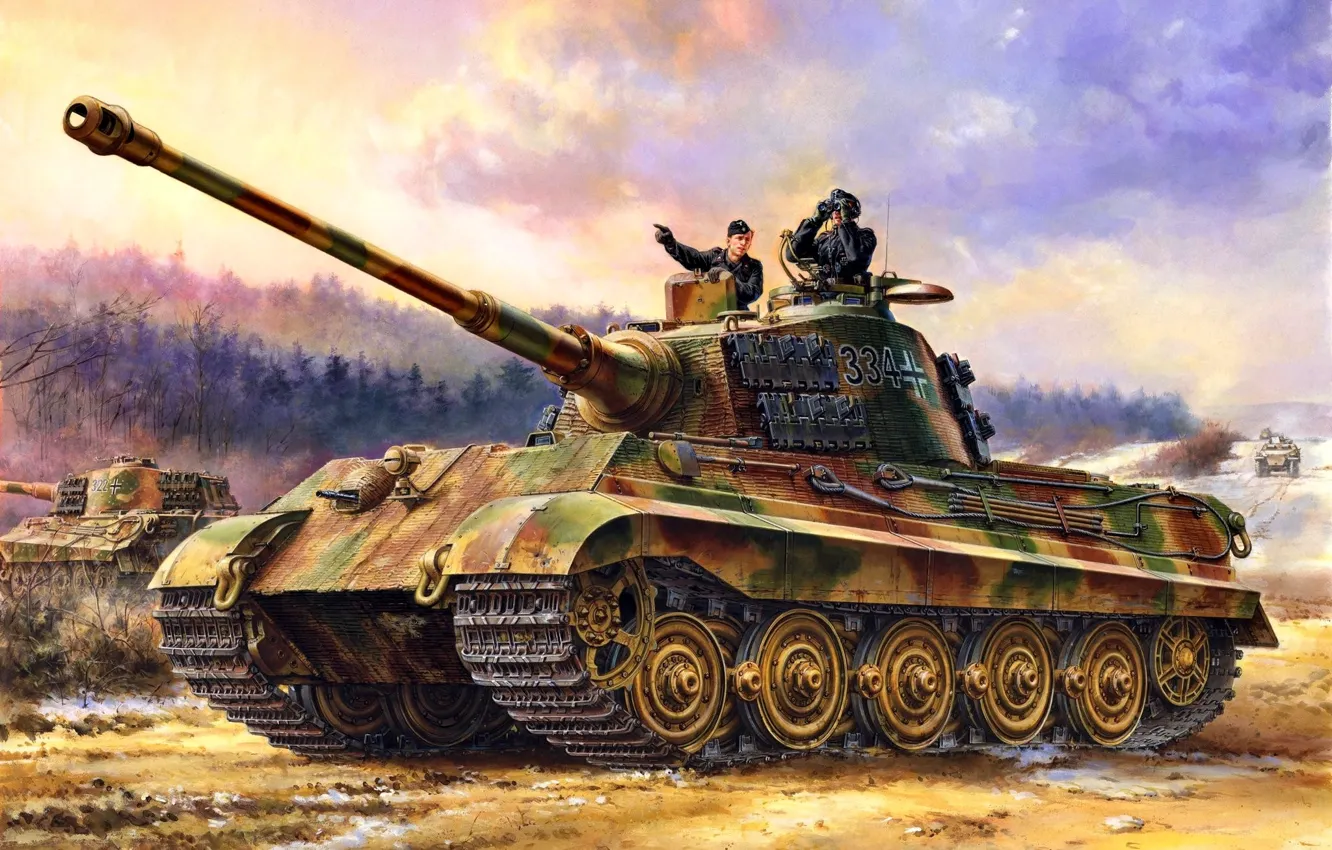
World War II saw the first massive deployment of heavy tanks. The most famous examples were Soviet and German tanks. The Germans fielded Tiger I and II tanks. The Tiger II was especially monstrous, weighing 70 tons and carrying an 88mm anti-tank cannon. Tanks made a terrible sound rolling through the streets, as their tracks chewed up the pavement. A full-fledged tank battle was even louder.
Air Raids
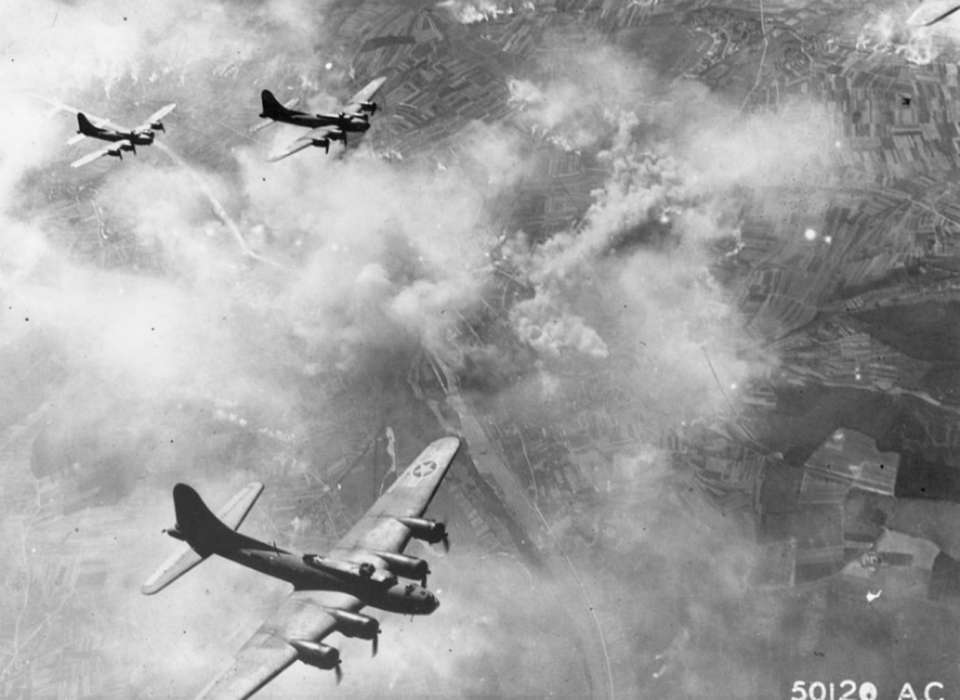
Airstrikes during World War II lacked precision. On average, it took 100 raids to destroy a point target. So drawn-out air raids became a common occurrence. Air raid sirens were actually designed during World War I. They were installed in London to warn against German Zeppelins, but they became associated with The Blitz. Area bombing and strafing raids occurred in every theater of the war. The sirens have since become a staple of civil defense.
Which of these sounds is the scariest? Leave a comment!
Sources: Sunday Roast, The EMS Sound,
 Calvin Seeley