9 Most Remote Islands in the World

We may think of places like Hawaii or Bermuda as being far away paradises, but there are lots of islands that many people are probably unaware of which are much farther away than the aforementioned destinations. For this list, these islands are ranked based on how far away from inhabited land masses they are. Note: This list is numbered 10 to 1, so the first entry is number 10 and the last entry is number 1.
Falkland Islands

Largest settlement: Stanley
Sovereign state: United Kingdom (disputed with Argentina)
Nearest land mass: Argentina, 480 km (298 miles) away
Since the conflict in 1982, and even before Argentina was a country, these islands were under British rule. Sovereignty was reclaimed in 1833, and the islands have been a British crown colony since 1840. Predating the 1982 conflict is the Battle of the Falkland Islands on December 8, 1914, in which the Royal Navy won against the German navy. Today, the islands can be visited by tourists, but to do so, they must fly to Santiago, Chile, then to Punta Arenas (also in Chile), and then fly to Mount Pleasant Air Base. Once there, they must drive 52 km to the capital town of Stanley.
South Georgia and the South Sandwich Islands
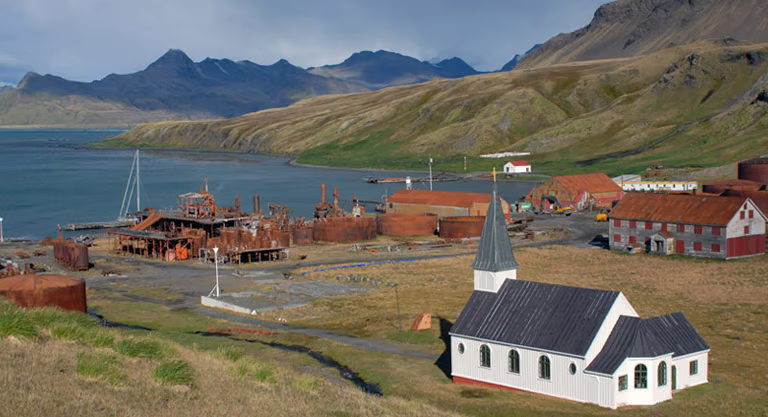
Largest settlement: none (though there are research stations)
Sovereign state: United Kingdom
Nearest land mass: Argentina, 2,706 km (1,681 miles) away
These islands were also invaded by Argentina during the Falklands War (which only further proves that Argentina has no valid claim to the Falklands). Much like the Falkland Islands (as well as pretty much every other island on this list), the wildlife is off the charts, even though the islands are 75% permanently covered in snow and ice. This may help contribute to its penguin population of Gentoo, King, Chinstrap, and Macaroni penguins, but it has other claims to fame besides that. There is not only a research station on South Georgia Island, but Grytviken Station is the final resting place of Antarctic explorer Sir Ernest Shackleton.
Pitcairn Island

Largest settlement: Adamstown
Sovereign state: New Zealand
Nearest land mass: Samoan Islands, 490 km (305 miles) away
Home to the smallest capital city in the world, this island's population of around 50 people is mainly descended from mutineers of the HMS Bounty and indigenous Tahitians. The island also has no airport and is only accessible by boat, as well as fertile volcanic soil and a tropical climate but steep cliffs, too.
Tokelau
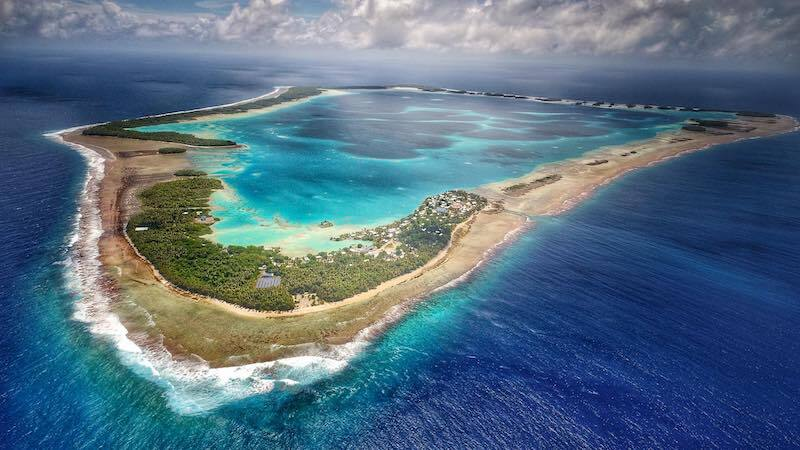
Largest settlement: None
Sovereign state: New Zealand
Nearest land mass: Hawaii, 3,687 km (2,290 miles) away
This atoll is halfway between New Zealand and Hawaii and holds a bragging right of being the first "country" (so to speak) to be powered by 100% solar power. Spanning only 12 square kilometers (5 square miles), the territory's largest city is Atafu, though there is no capital city. It also only has around 2,600 people on it, as well as the world's smallest economy, making it heavily dependent on New Zealand.
Heard Island and McDonald Islands
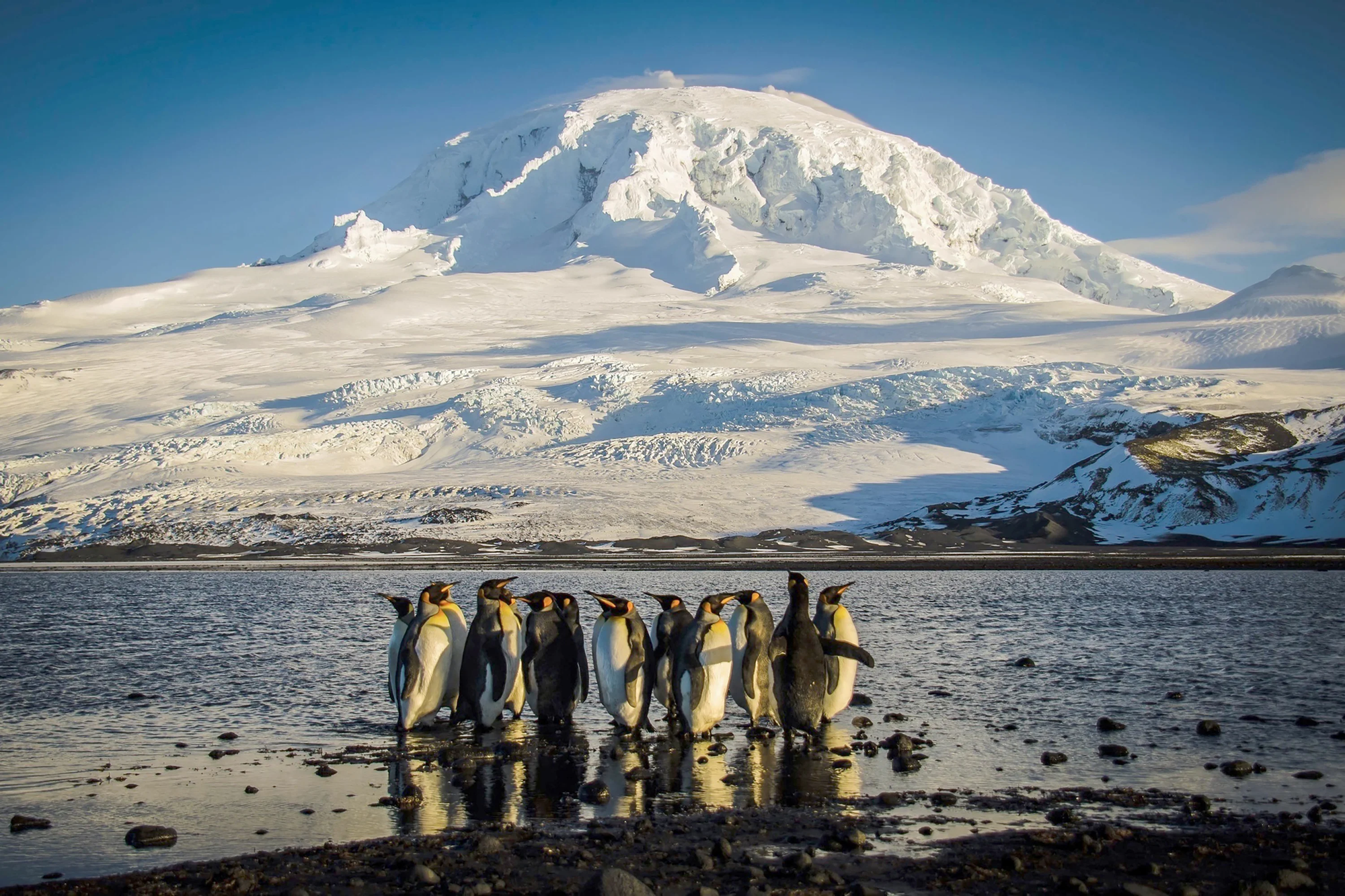
Largest settlement: None
Sovereign state: Australia
Nearest land mass: Antarctica, 1,700 km (1,056 miles) away
Aside from penguins and seals, these two islands are uninhabited. These islands are not only far away from Antarctica but are even further away from Australia. 4,100 km away, to be exact. Despite that, the islands are actually home to Australia's highest mountain peak (not counting Mount Kosciuszko), Mawson Peak, reaching a height of 2,745 meters (9,006 ft). The island is maintained by the Australian Antarctic Division (AAD) and has been a UNESCO World Heritage Site since 1997 for its abundance of wildlife, particularly seals, seabirds, and Macaroni penguins.
Bouvet Island
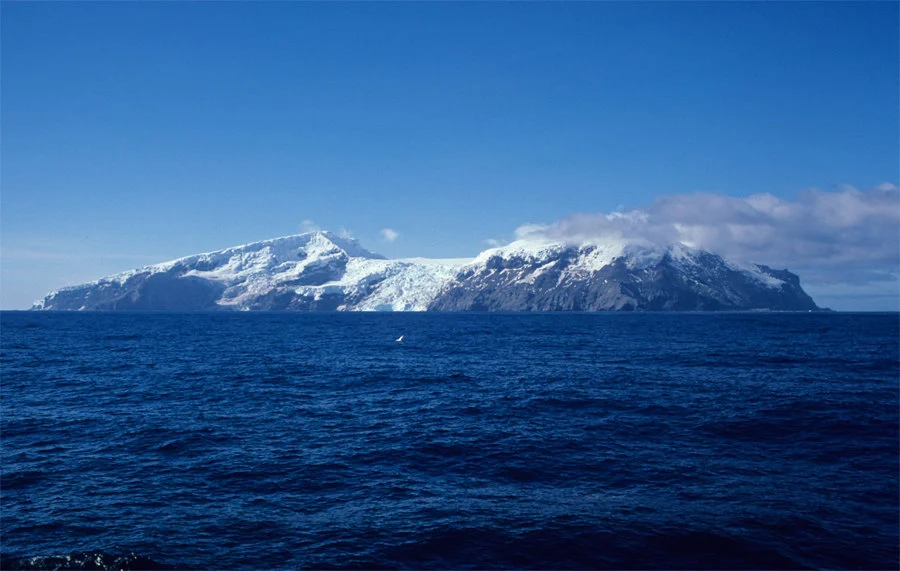
Largest settlement: None
Sovereign state: Norway
Nearest land mass: Antarctica, 1,700 km (1,056 miles) away
This uninhabited, volcanic island covers just 49 square kilometers and is almost entirely covered by glacial ice. It is surrounded by steep cliffs, making landings extremely challenging. The harsh weather, with freezing temperatures and frequent storms, further emphasizes its inaccessibility. Despite its isolation, Bouvet Island holds scientific importance. It is designated as a nature reserve, and its pristine environment provides valuable data for studying global weather patterns and Antarctic ecosystems. Occasional visits by researchers and adventurers are rare due to the logistical difficulties and extreme conditions. A notable feature is its active volcano, which lies hidden beneath the ice cap. The island is also home to a small yet resilient ecosystem of mosses, lichens, and seabirds, including penguins and petrels. Seals often haul out on its rocky shores, adding to its biodiversity. With no airstrip and no permanent human presence, access to the island is limited to specialized vessels capable of navigating the Southern Ocean.
Saint Helena
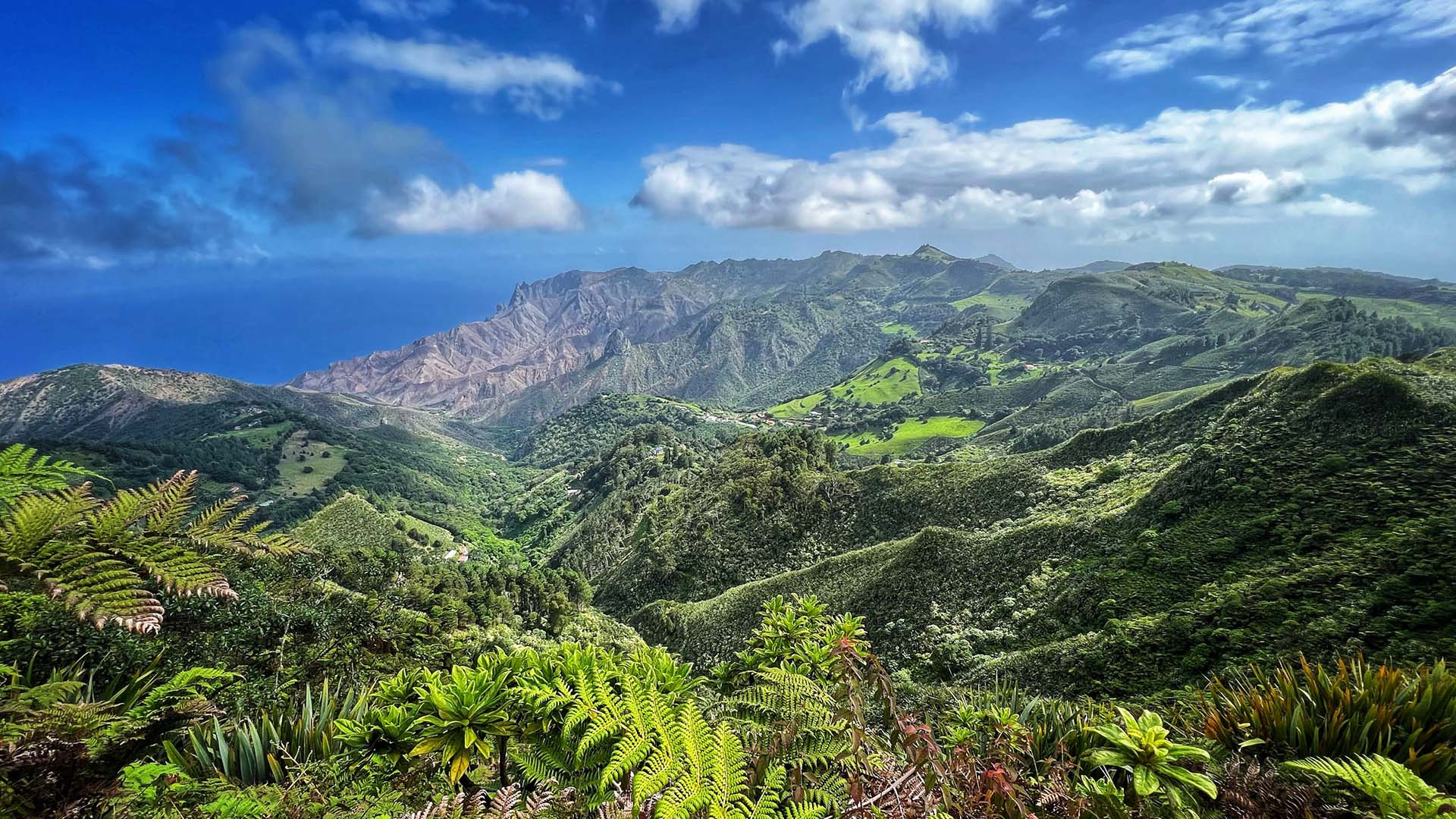
Largest settlement: Jamestown
Sovereign state: Saint Helena, Ascension, and Tristan da Cunha (United Kingdom)
Nearest land mass: Angola, 2,000 km (1,242 miles) away
This island's claim to fame is being the place where Napoleon Bonaparte was exiled and eventually died. Aside from that, its extreme isolation keeps it out of the public eye. The island was discovered in 1502 by Portuguese explorers and has since served as a vital place for British shipping, mostly during the days of the East India Company. This island can be accessed by boat, or by a weekly flight from Johannesburg, South Africa since 2017. Wildlife on this one is one of a kind, since the Saint Helena plover bird can be found here and nowhere else. As for Napoleon himself, his grave is still preserved on this island, and has been his resting place since his death in 1821.
Tristan da Cunha
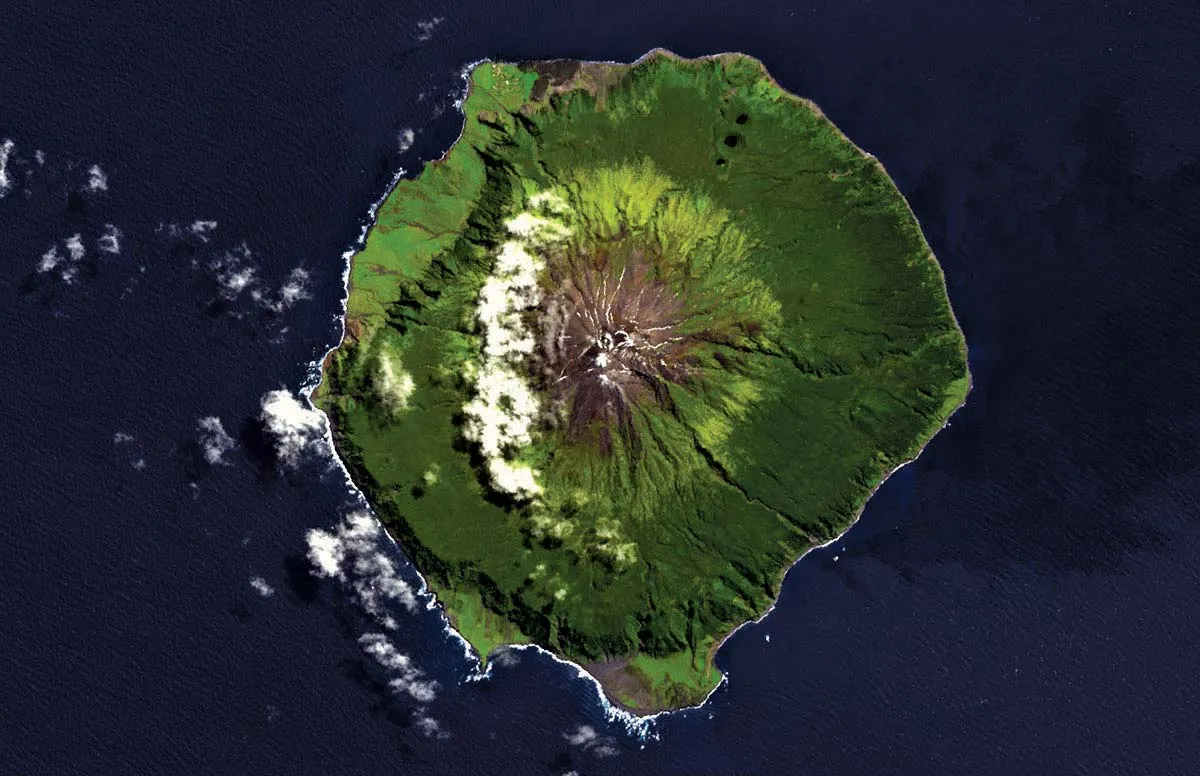
Largest settlement: Edinburgh of the Seven Seas
Sovereign state: Saint Helena, Ascension, and Tristan da Cunha (United Kingdom)
Nearest land mass: South Africa, 2,816 km (1,750 miles) away
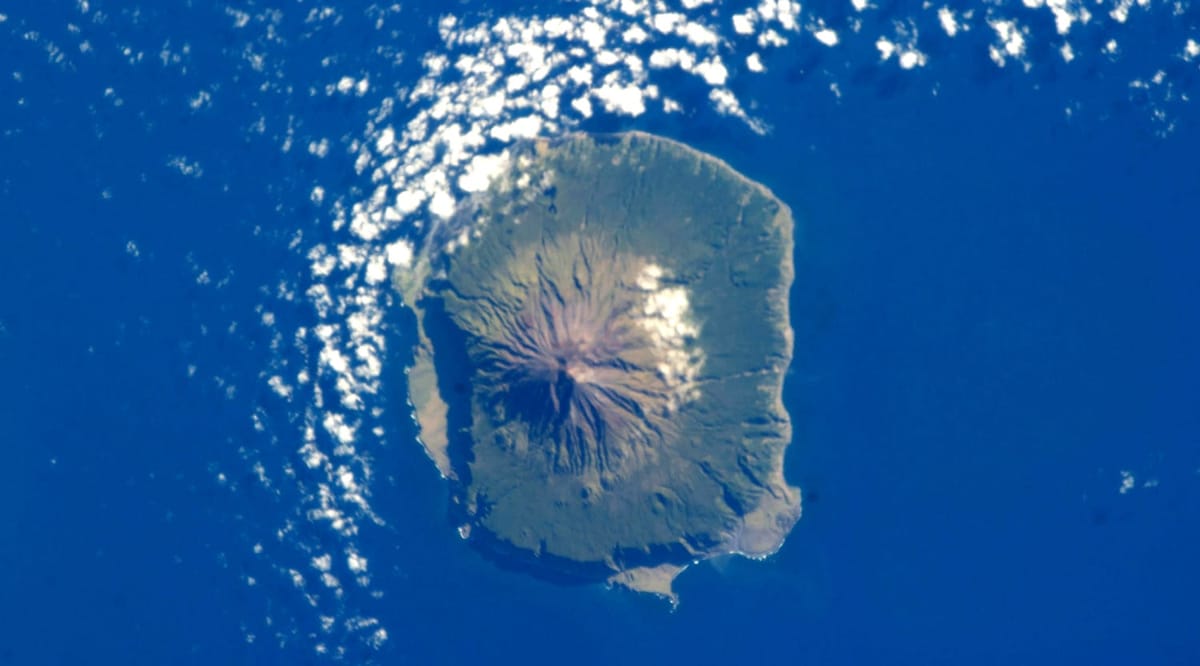
This is the most remote inhabited island in the world. Its archipelago includes the aptly named Inaccessible Island, Nightingale Island, and the next island to be mentioned. Only inhabited by around 240 to 250, the island mainly consists of Queen Mary's Peak, which sits 2,062 meters (6,765 feet) above sea level. The islanders themselves are a closely-knit community, with many of them being skilled farmers and fishers.
Gough Island
Largest settlement: None
Sovereign state: Saint Helena, Ascension, and Tristan da Cunha (United Kingdom)
Nearest land mass: South Africa, 3,146 km (1,954 miles) away
And the number one most remote island in the world? None other than the little-known Gough Island. Lying right in the middle of the southern Atlantic Ocean is an island no larger than 48 square kilometers (30 square miles). The island is also a designated UNESCO World Heritage site and also serves as a crucial breeding ground for seabirds, like the endemic Gough Moorhen. However, the island is plagued by a type of mouse that grows larger than a regular sized mouse and feeds exclusively on the seabirds and their chicks. The mice are descended from ones that arrived on ships in the 1700s and have evolved to survive the conditions. And though the UK territory, South Africa runs the island's weather station. The island also (as you may have guessed) doesn't have any permanent residents, only a small team to maintain the weather station.
Did you know about any of these places before? Leave a comment!
Sources: Encyclopedia Britannica, UNESCO, Travel Facts