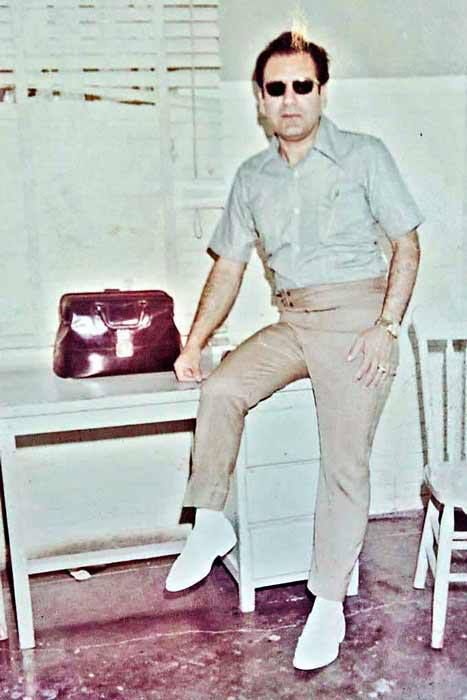
Alfredo Ballí Treviño: The Gay Mexican Surgeon who Inspired Hannibal Lecter

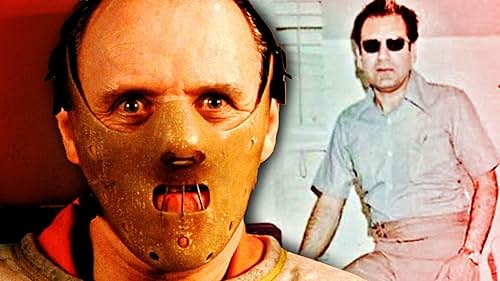
We like to think of psychotic characters as fictional, but many of them were, unfortunately, inspired by real people. For example, Buffalo Bill, Norman Bates, and Leatherface from Texas Chainsaw Massacre were all inspired by one man: Ed Gein. While Gein was so awful that he won’t get his own article, one similar individual was worthy of one: Alfredo Ballí Treviño. Today, we will be looking at how he is the inspiration for the notorious serial killing psychiatrist that is the fictional literary and cinematic villain of Dr. Hannibal Lecter, whose story led to The Silence of the Lambs becoming the only horror movie to win the Academy Award for Best Picture.
Disclaimer: This article is not, in any way, intended to cause homophobia. Do not go hating on gay people because of this article. There are bad people of all races, sexual orientations, and either gender. This article is only intended to teach the history behind the inspiration for a horror movie character.
While author Thomas Harris did the dirty work of writing a sadist psychiatrist who ate people's body parts, Treviño did the even dirtier work by doing similar acts in real life. For the sake of the reader of this article, we won't get too far into graphic detail concerning the crimes that Treviño committed. But we will discuss his crimes in one way or another, so if you don't handle this topic too well, read another article. You have been warned.
Our tale begins on October 2, 1931, in the Mendez Municipality of Tamaulipas, Mexico. At this place and time, Treviño was being born to a wealthy family, being the second of what would end up being five children. Their parents wanted their children to become successful, which is one reason why Treviño enrolled in medical school alongside two of his brothers. Treviño was known to have a strict upbringing, which would explain why Treviño himself was known for strict characteristics. Things seemed like they would turn out well for Treviño, seeing his efforts as a medical intern look like they would pay off, paving the way for success in the medical field.
But things began to take a really dark turn. On October 8, 1959, while Treviño was a medic intern, he got into an argument with his lover, fellow medic intern Jesus Castillo Rangel (not to be confused with the Mexican supercentenarian of the exact same name). It is not known exactly what the argument was over, but some have pinned it on either monetary problems or Rangel's insistence on marrying a woman. What is known is that the argument turned deadly, as Treviño slit Rangel's throat with a scalpel. After this, Treviño dissected the body into pieces small enough to fit inside a box. He then attempted to bury the box on a ranch. But it wasn't long before the crime was discovered. And in 1961, Treviño was sentenced to death for his "crime of passion" (so to speak).
And this brings us to Harris meeting Treviño. In 1963, a 23-year-old Harris traveled to Topo Chico prison in Monterrey, Mexico with the intention of interviewing an American inmate, Dyke Askew Simmons, who was also sentenced to death for a triple murder, and had been shot during an escape attempt. Treviño had treated Simmons after being shot. After speaking with Simmons, Harris met Treviño, and Harris believed at first that he was speaking with the prison's doctor, with Harris initially describing him as "a small, lithe man with dark, red hair who stood very still." Harris and Treviño ended up conversing in a similar manner to Hannibal Lecter and Clarice Starling's famous talk in The Silence of the Lambs.
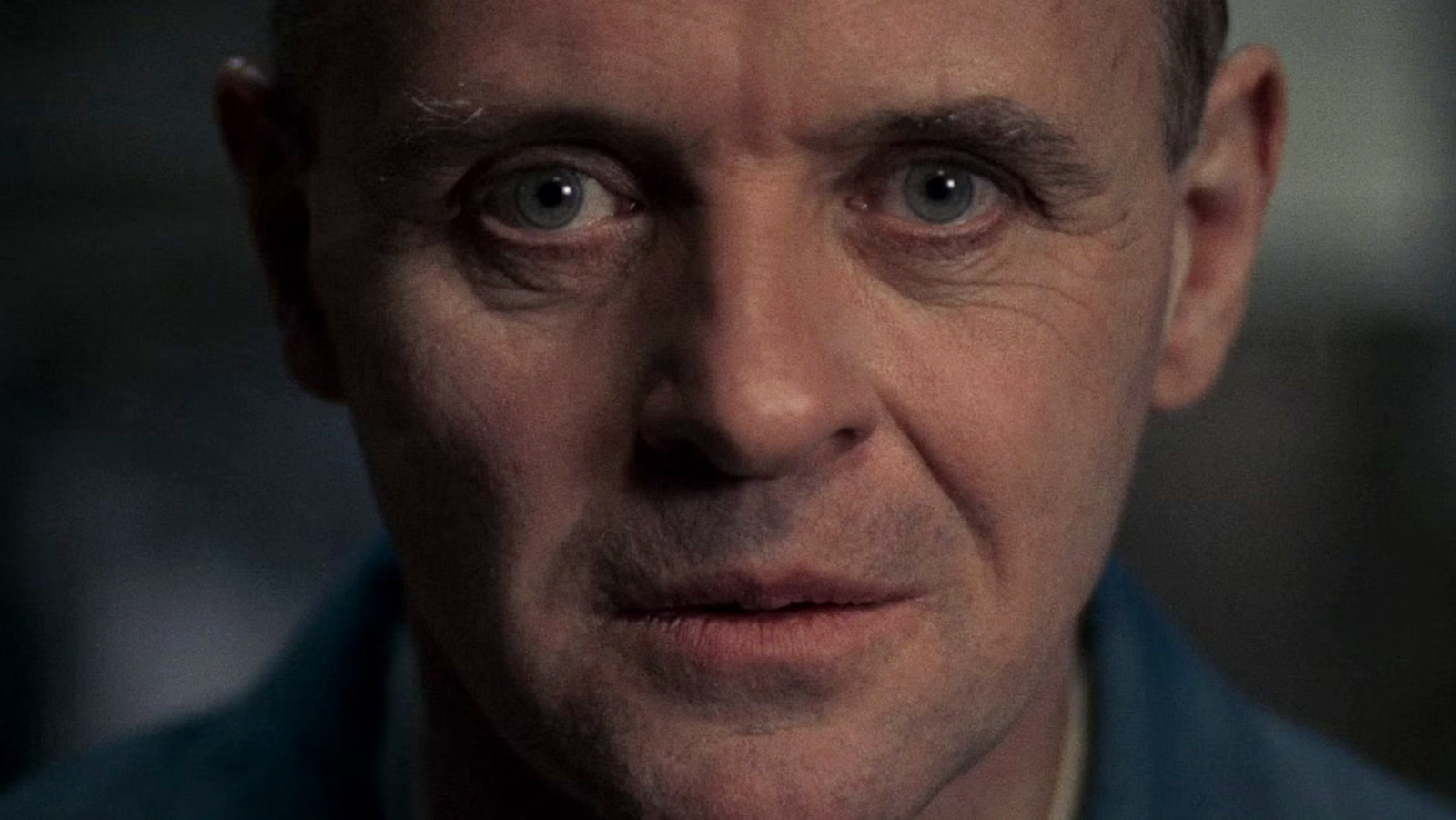
The exchange got heated after Harris said that Simmons' victims looked nice. Treviño replied "you're not saying they provoked him?" It was after this statement when Harris realized he wasn't speaking with the prison doctor. He was actually speaking with a former surgeon who was serving time for committing a horrifying crime. And when Harris asked the prison warden how long Treviño had been working there, the warden answered, "the doctor is a murderer." The warden then explained further that "as a surgeon, he could package his victims in a surprisingly small box," adding "he will never leave this place. He is insane." Harris later said, "there was a certain elegance about him," referring to Treviño.
It is also worth noting that, while serving time, his crime and attitude kept the other inmates at bay. But Treviño offered medical services to the other inmates and even performed small surgeries every now and again. An unknown source to the Mexican newspaper Reforma stated "he helped many people in jail, and he became so good that, with time, he was even allowed to go out at night to see patients."
The sentence that Treviño was serving was commuted from the death penalty to 20 years, when Treviño was released in 1980. In his last interview in 2008, Treviño said "I don't want to relive my dark past. I don't want to wake up my ghosts, it's very hard. The past is heavy, and the truth is that this angst I have is unbearable." Despite his sexuality, Treviño married two different women at different times. Prior to his sentencing, he married Dolores Montiel, but she died while Treviño was in prison. After being released, he remarried a woman known only as Cristina, who died five years after Treviño was released. But Treviño did have children and grandchildren. The first-born son, Alfredo Ballí Treviño Jr, died of cancer in 2010. The son of Treviño Jr. also carried the name and died in a car accident years after.
Harris would publish his novel Red Dragon in 1981, which was the first of his works to have the character of Dr. Hannibal Lecter. As for Treviño himself, he would die in his sleep of cancer in February of 2009 at the age of 77. Reportedly, he had been helping the poor and the elderly free of charge prior to his passing, at the same clinic where he had murdered his lover years prior. According to an anonymous family friend, Treviño didn't care much for Harris' novel. But when The Silence of the Lambs was released, Treviño figured out that he was the inspiration for the character of Dr. Lecter, after which his family mocked him by calling him "Hannibal" or "Dr. Lecter." And according to that family friend, Treviño thought of that as funny that they'd call him that.
Were you hoping that characters like these didn't have real-life inspirations? Leave a comment!
Sources: All That’s Interesting, First Curiosity, Biography.com, Latin Times
 Kara Goldfarb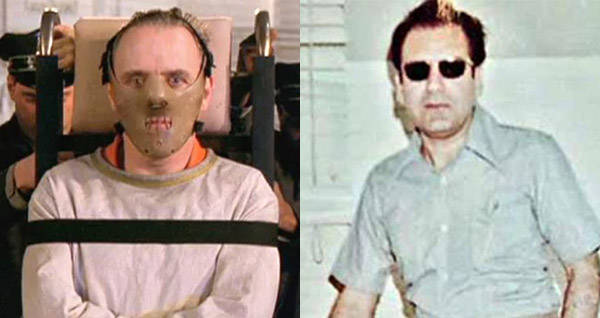
 Naveena Prasad M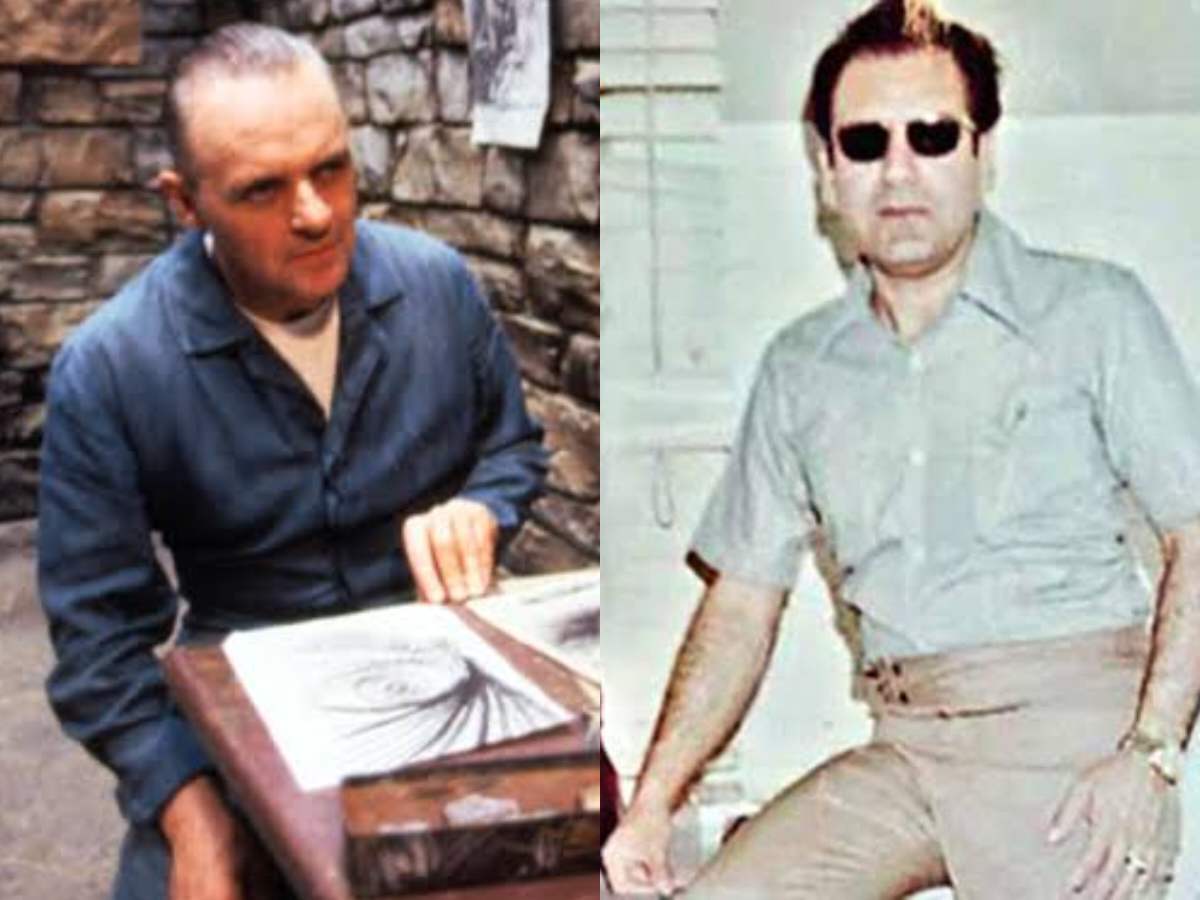

 Maria G. Valdez