Relics of Communism in Europe You Can Still Visit Today

From the defeat of the Nazis in 1945 until the fall of the Soviet Union in 1991, the Soviet Union brutally expanded communist control over eastern Europe. Not long after, eastern Europe was forced into the Soviet-led Warsaw Pact, where the following countries became Soviet satellite states, meaning they had communist puppet governments supported by the Soviet Union: Bulgaria, East Germany, Romania, Hungary, Poland, and Czechoslovakia. Yugoslavia (which consisted of modern-day Croatia, Slovenia, Serbia, Kosovo, North Macedonia, Bosnia & Herzegovina, and Montenegro) was also communist but wasn't one of the Soviet satellite states. Albania was the same way, too. The Soviet Socialist Republics of Moldova, Georgia, Lithuania, and Ukraine all had their own brutalist buildings and structures, too. Today, we'll be taking a look at the structures left behind in all these countries that are still a sight to behold. It should be worth noting that most of these monuments are in Bulgaria, because they invested more in architecture than any other communist nation. This list will also be organized by alphabetical order. We also won't be looking at any structures within modern Russia. And before we begin, the term "satellite state" will be used frequently.
A fair reminder: These monuments may be under consideration for demolition or removal. I have no idea what status they are now, but it might be best to see them before anything happens.
Albania
Although it left the Soviet sphere of influence in 1960, and the Warsaw Pact in 1968, Albania remained communist until 1992, the year after the fall of the Soviet Union. It also had the second longest-ruling communist dictator in the world, after Fidel Castro: Enver Hoxha (pronounced “Hoe-juh”) ruled from 1944 until his death on April 11, 1985. Hoxha had ordered many things to be built in Albania during this time, and on this list are a few of them...
Bunkers
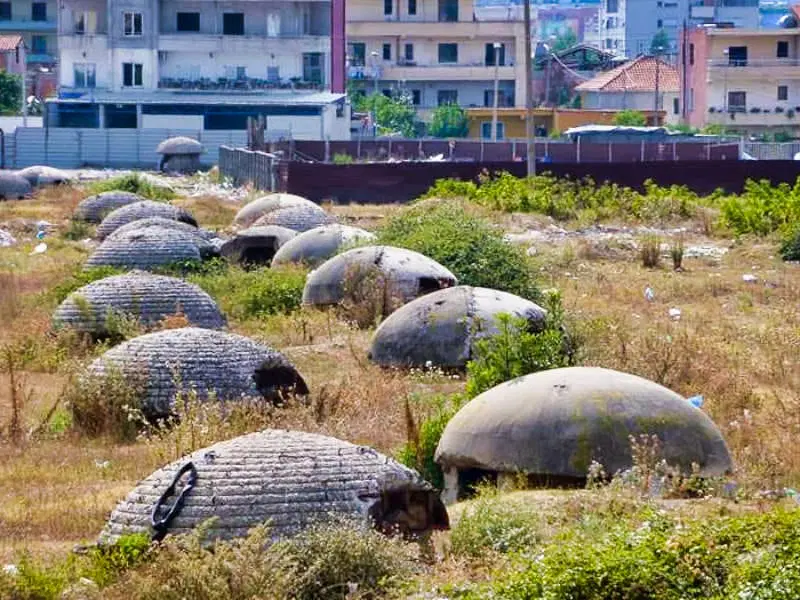
During his time in power, from 1967-1986, Hoxha ordered bunkers to be built across Albania in case of a foreign invasion. In total, over 173,000 bunkers were made, or about 5.7 per square kilometer. Some have since been demolished, but others are a sight to behold that can still be visited.
Pyramid of Tirana
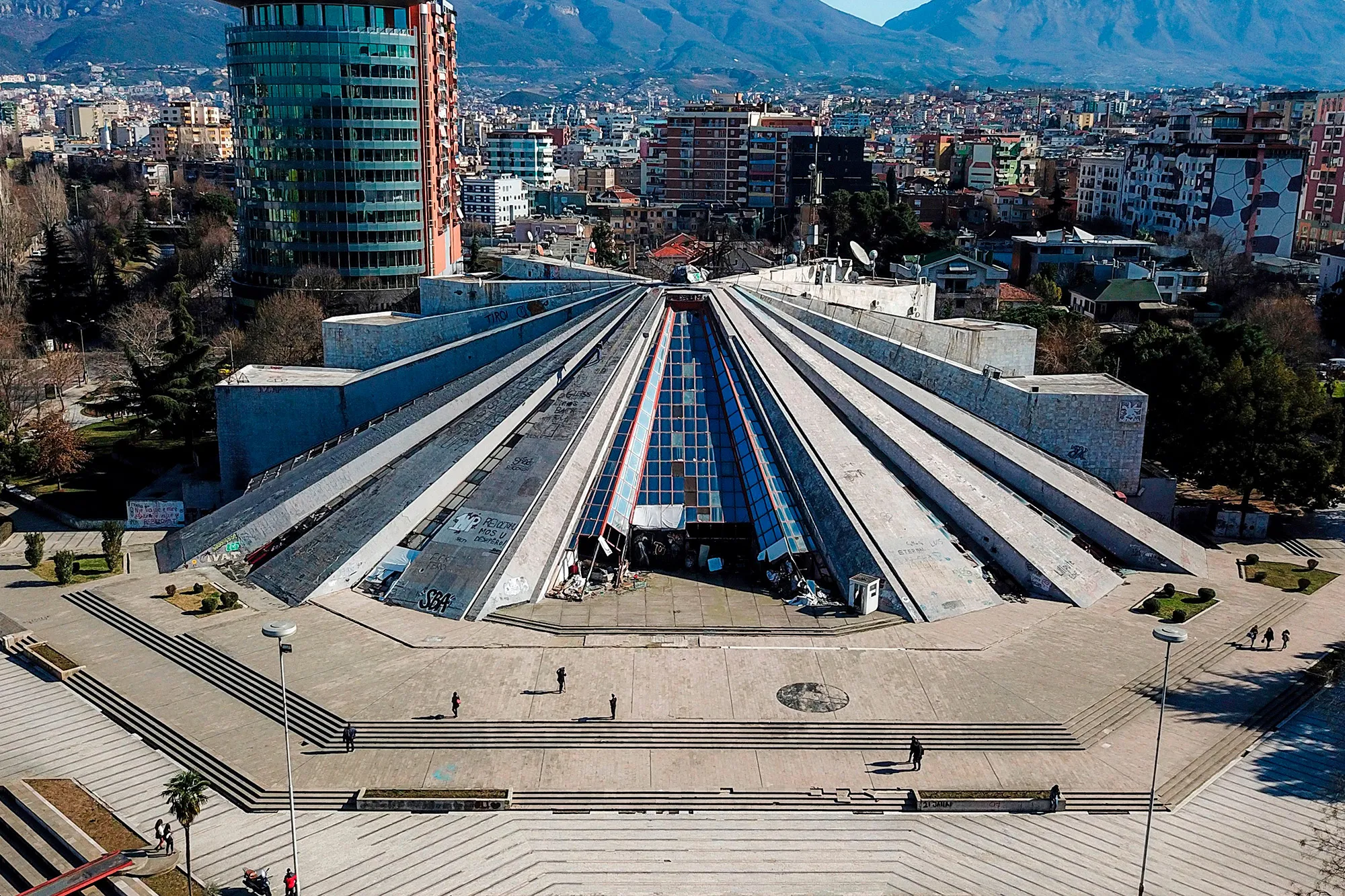
This former museum was dedicated to the previously mentioned Enver Hoxha and was built in 1988 by his daughter and son-in-law. After the fall of the Soviet Union, the Pyramid was used as a conference and fair center before it fell into disrepair. Now derelict and covered in graffiti, there are plans for a Dutch architecture company to renovate it and convert it into a tech and culture center.
Bulgaria
A Central Power during World War I, Bulgaria remained neutral during World War II before joining the Axis Powers in March of 1941 before occupying parts of Greece and Yugoslavia before switching sides and joining the Allies in late 1944. After the war, Bulgaria fell under the Soviet sphere of influence, becoming communist itself after a coup in 1944. From that point until 1989, Bulgaria was a Soviet satellite state with a puppet government supported by the Soviet Union. As with many of the other countries on this list, Bulgaria had brutalist structures constructed. Let's look at a few of them.
Buzludzha Memorial House
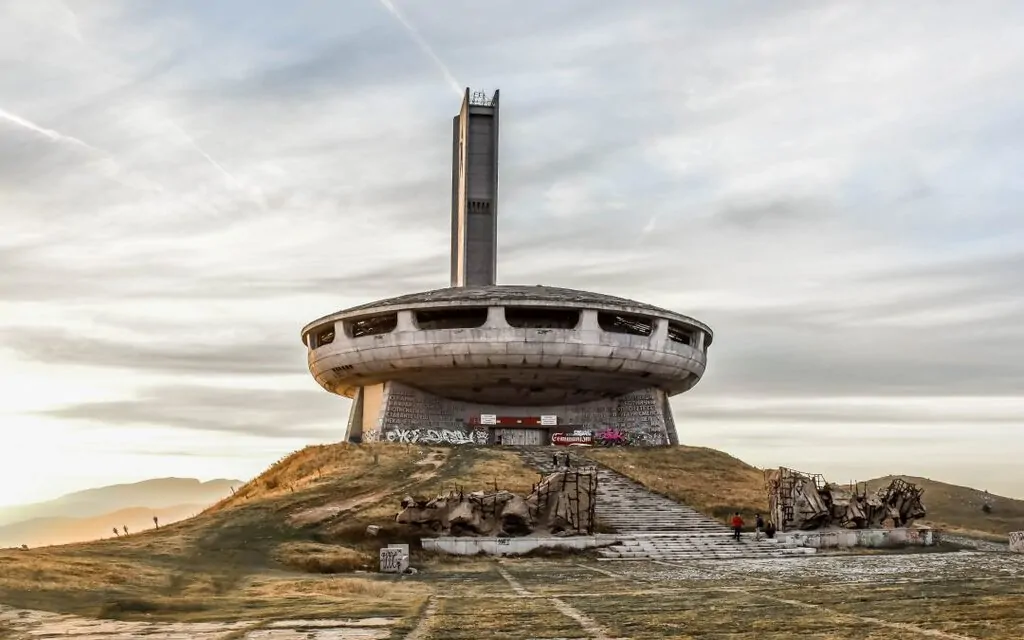
First and foremost, we have the former headquarters of the Communist Party of Bulgaria. Found in the mountains of central Bulgaria, on mount Buzludzha, to be exact, this one-of-a-kind structure began construction in 1974 and was commissioned in 1981, at a time when the Soviet Union seemed like it would last (even though it would collapse 10 years later), and nicknamed Bulgaria's UFO, it bears a saucer-like structure and a red star on the side of the tower. Inside the saucer, there are three mosaics that cover 510 square meters and depict an allegorical history of the Bulgarian Communist Party. After the fall of the Soviet Union, the People's Republic of Bulgaria also fell from communist rule, the structure was left derelict, though visitors from around the world have come to see this relic of the past.
Monument to 1300 Years of Bulgaria, Shumen
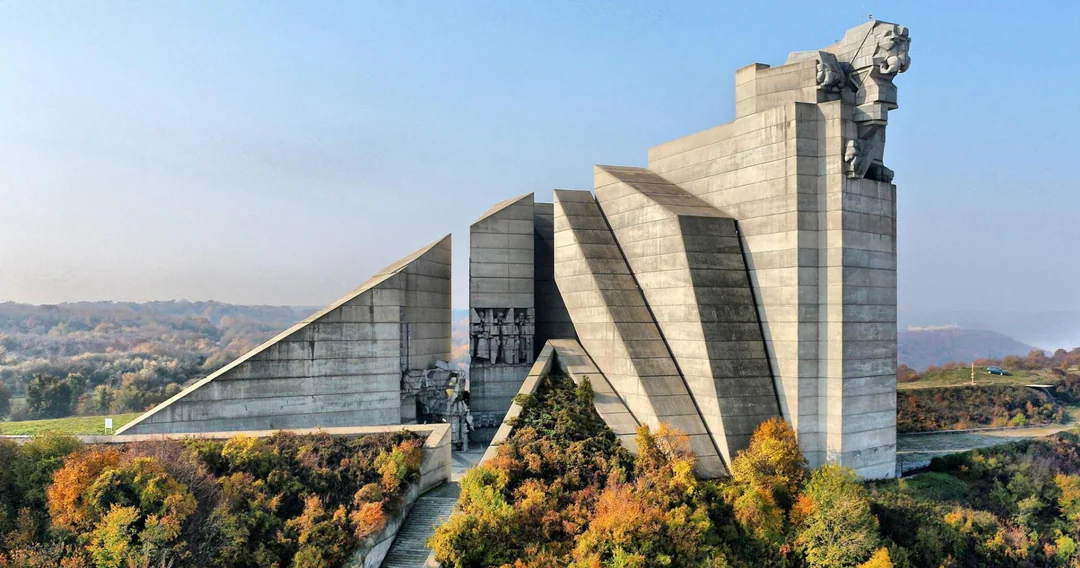
The land that is now Bulgaria has been inhabited since humans first called the European continent home. That means long before 681 CE. But in 681 CE, the First Bulgarian Empire was founded, and this Cubist monument, which is sometimes called the Founders of the Bulgarian State Monument, opened on November 28, 1981.
Plovdiv Hillock of Fraternity, Plovdiv
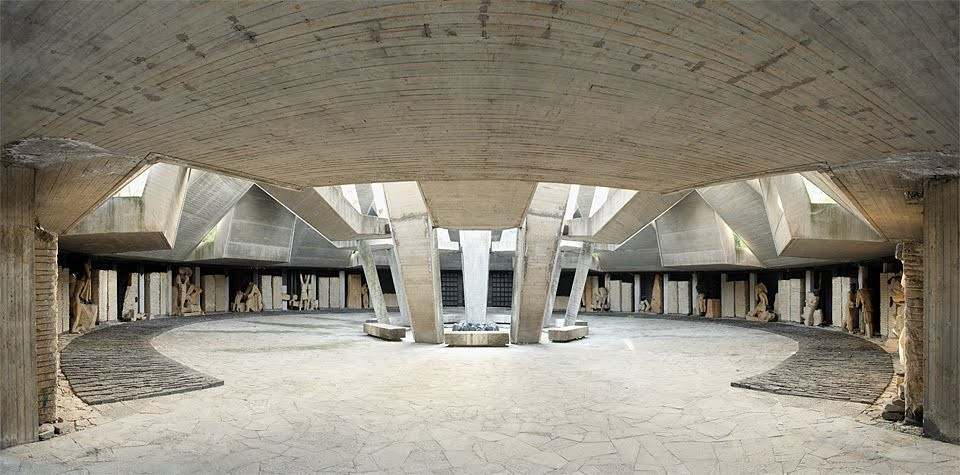
Completed the year the Buzludzha Memorial House began construction (1974, for those who don't want to go back and check), this memorial complex in Plovdiv commemorates the fraternity between the Bulgarian and Soviet peoples, most notably relating to the Soviet army's role in liberating Bulgaria in 1878 and 1944. Situated on a hill near the Smirnenski district in Plovdiv, it is made from two stone pillars and is known for its views over the city of Plovdiv, though it isn't a major tourist destination for many today.
National Palace of Culture, Sofia
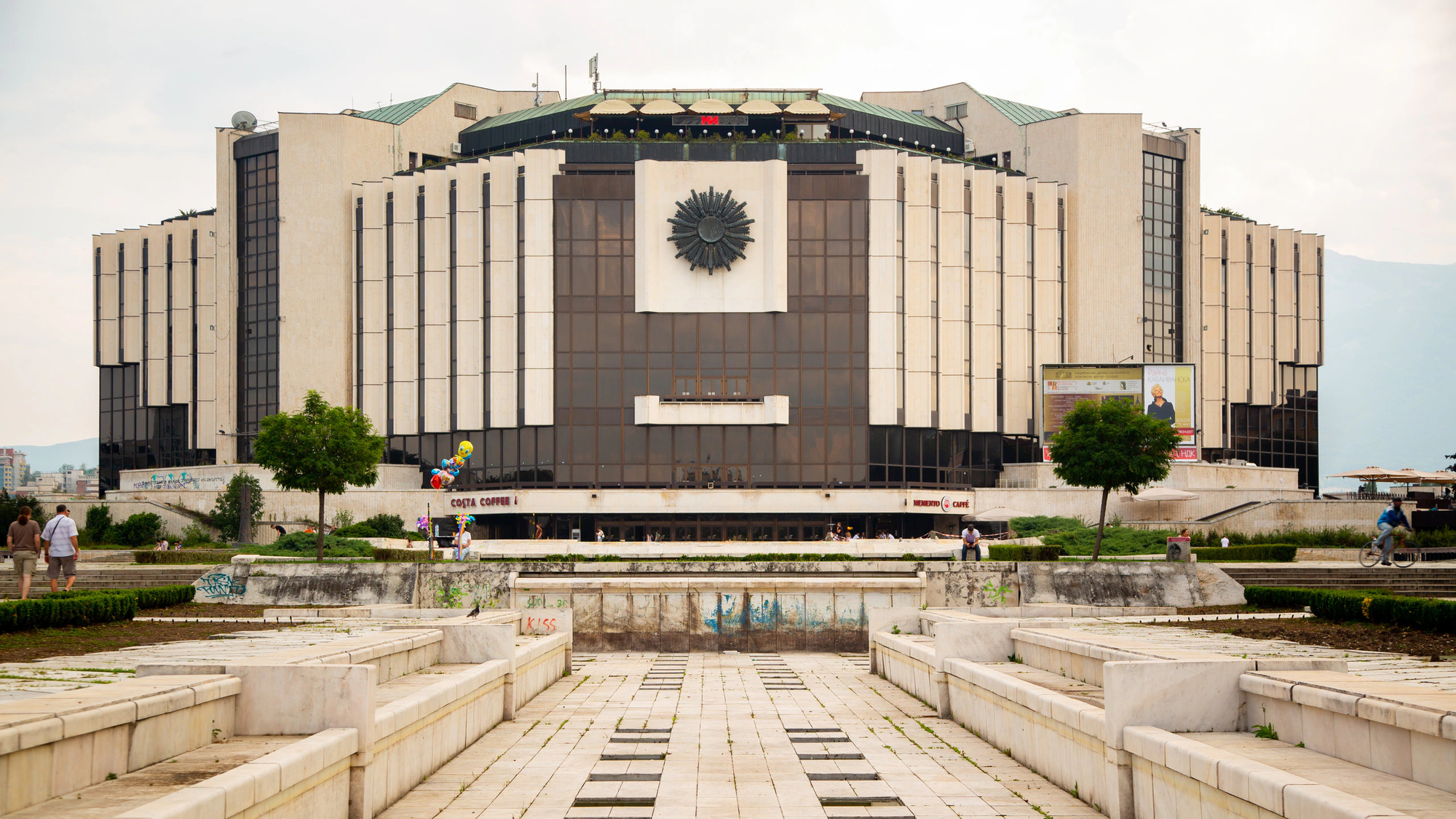
Another one of the structures made for the 1300th anniversary of Bulgaria, this one is the largest multifunctional conference and cultural center in eastern Europe, and one of the largest of that type in the world. Boasting 13 halls, with the largest holding 3380 seats, the whole building covers 123,000 square meters. 15,000 of those square meters are for an exhibition area alone.
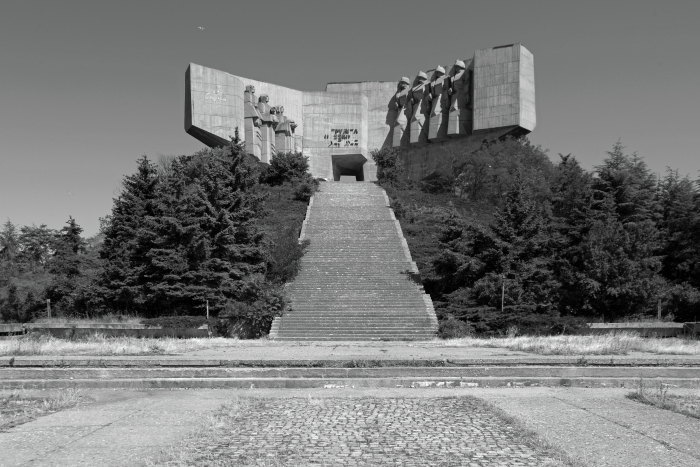
Monument of the Bulgarian Soviet Friendship, Varna
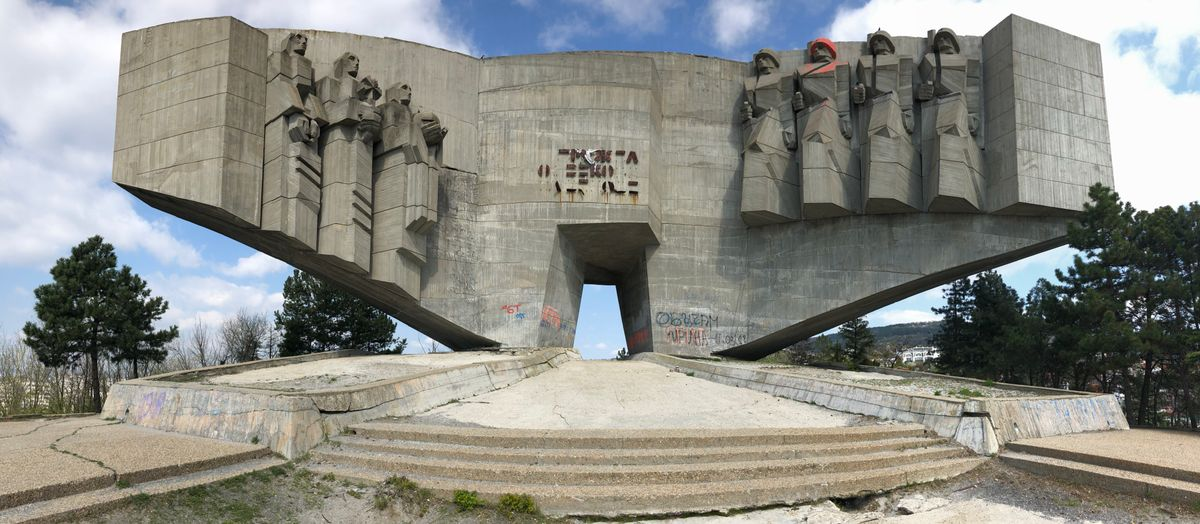
Though now several decades out of date, this monument, which commemorates the friendship of two countries that don't even exist anymore, still stands on Crane Hill overlooking the Thracian plain, in the northernmost part of Varna. With a height of 23 meters and a width of 48 meters, it's the largest monument in the Varna area. Built in 1974 by the Bulgarian army, it features 300 steps to reach and sits semi-abandoned, though it remains open to tourists.
Croatia
Croatia was part of Yugoslavia from 1918 to 1992, and Yugoslavia itself was communist from 1945 to 1990. And even though Yugoslavia and the Soviet Union were communist, they were enemies. But that didn't stop brutalist architecture from making its presence known in the region.
Monument to the Revolution of the People of Moslavina, Podgarić
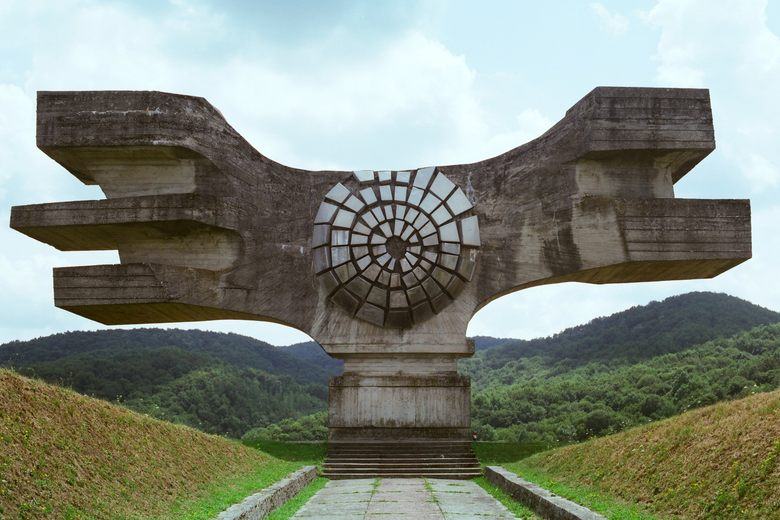
Since its name is a mouthful, many often shorten it to the Monument of the Revolution. Opened in 1967 as a memorial to the people of Moslavina who resisted the fascist Ustaše in World War II, it also features a memorial ossuary of the remains of around 1,000 partisan soldiers and was designed by Dušan Džamonja.
Czech Republic
Whether you call it the Czech Republic or Czechia is up to you. In this article, it will be referred to as the Czech Republic. Anyway, there are two structures from days gone by which made the list, although one of them was, technically, built after the communist era was over. So, let's get right into it...
Žižkov Television Tower
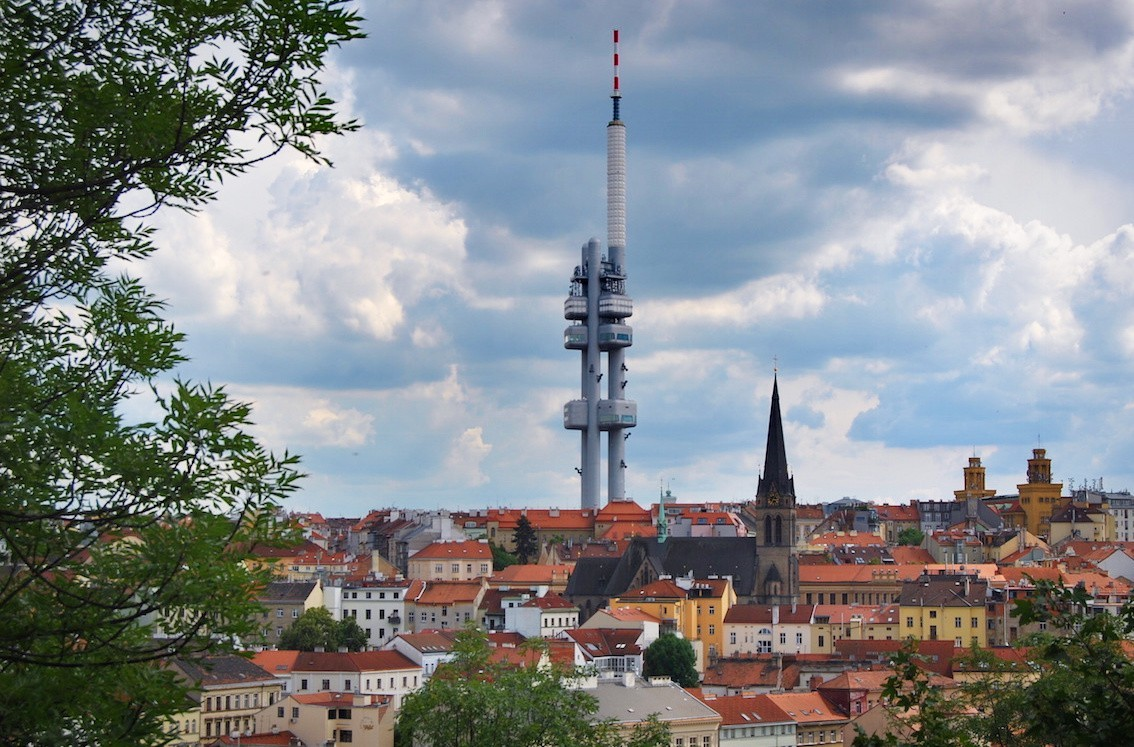
This one was an iffy in terms of putting it on this list, because its construction began in 1985 and it was completed in 1992, two years after the fall of communism in Czechoslovakia and one year before the Czech Republic was established. But it won a spot anyway because of its brutalist nature. Standing 216 meters tall, making it the tallest structure in Prague, it hosts a viewing platform, a cafe, and even a one-room hotel.
Panelák
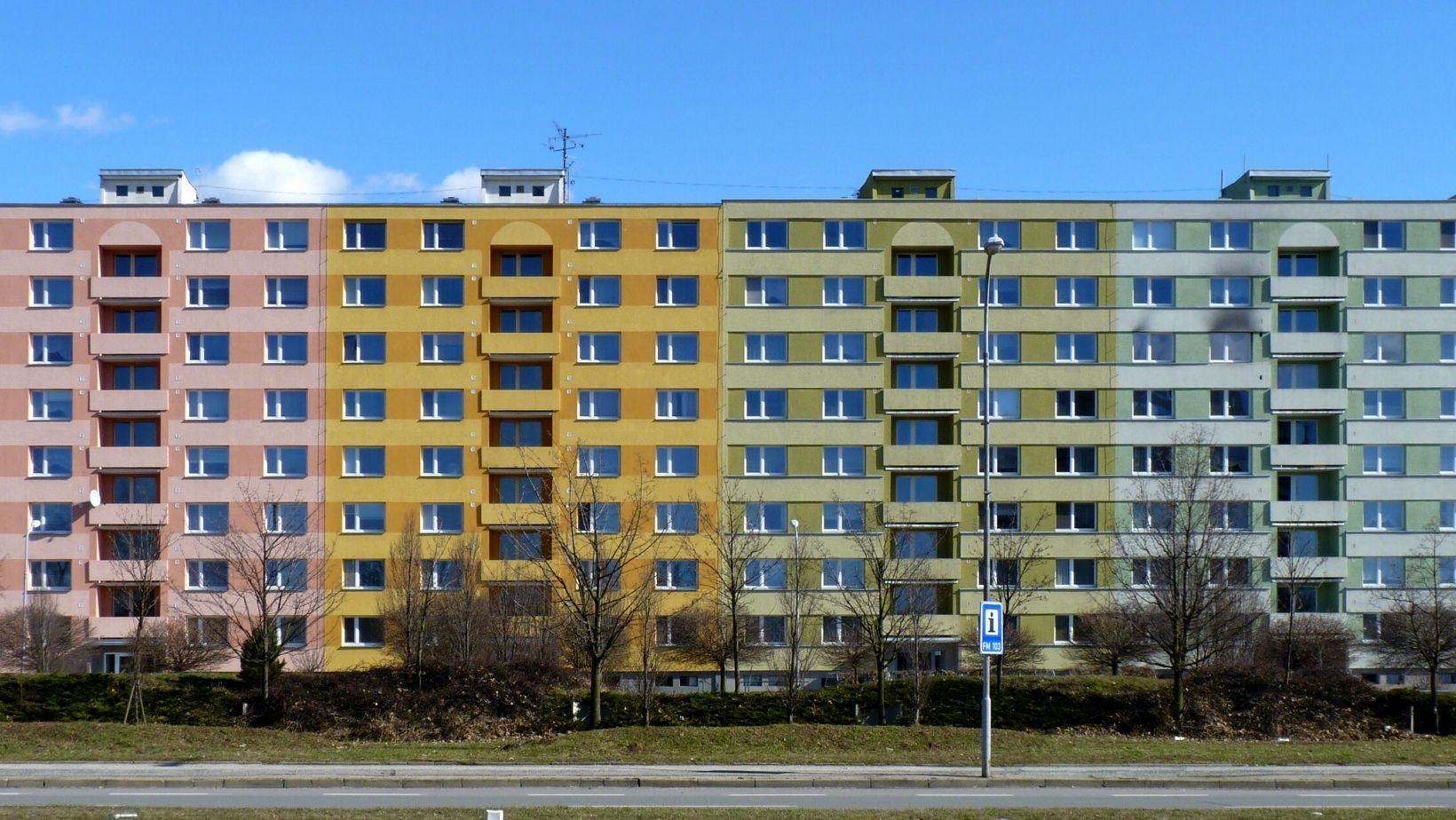
This term doesn't refer to any one particular building; it refers to any prefabricated panel building within Czechoslovakia that was made during the communist era. To qualify as Panelák, the housing also has to be grouped together, creating a housing estate. The first of these structures was built in Ďáblice on July 1, 1955. And from 1959 to 1995, over one million apartments (not apartment buildings) were constructed in the modern-day Czech Republic. Some of these, like Jižní Město and Petržalka in Bratislava, even became worlds of their own, housing tens of thousands. Václav Havel, who served as president of the Czech Republic from 1993 to 2003, famously called them "rabbit pens," even though the apartments offered things like indoor plumbing and central heating, among other things.
East Germany
In the aftermath of World War II, the eastern part of Germany was kept under a communist puppet government, supported by the Soviet Union, from 1949 to 1989, when the fall of the Berlin Wall reunified Berlin into one city. Though East and West Germany were now one country, that didn't mean they fully came together.
Stasi Headquarters
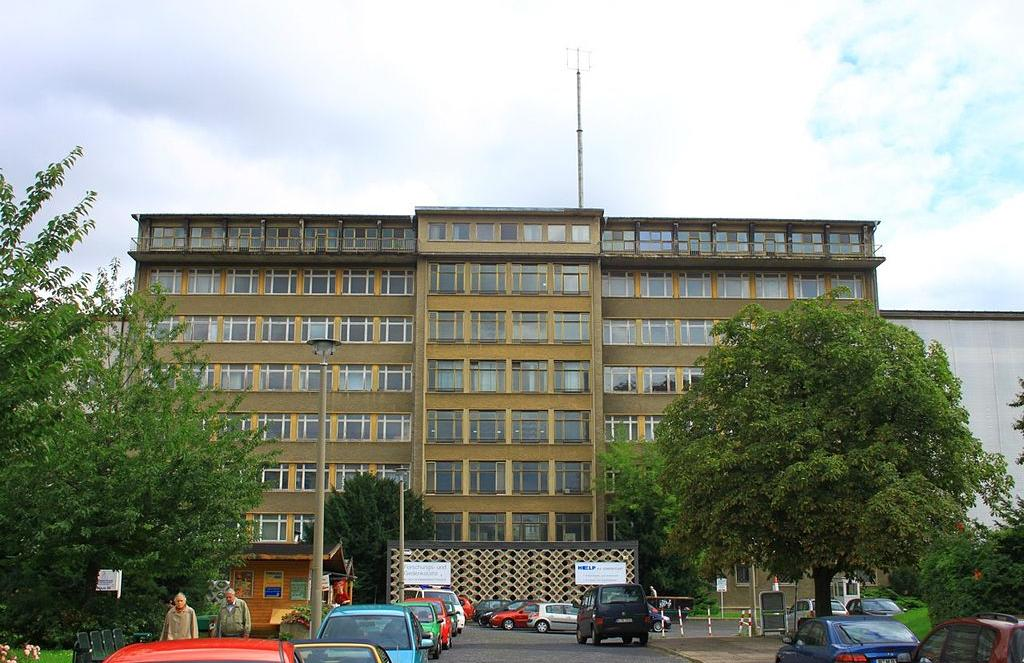
As announced in 2023, the German government will convert the building into a campus for democracy. Prior to that, this building served as the headquarters for the East German Stasi, which was like East Germany's version of the KGB. And after East Germany collapsed and reunified with West Germany, it functioned as an educational center and museum where visitors can learn about the Stasi's repression and the East German people's resistance to it. The campus it now houses the Stasi Museum and Stasi Records Archive. The archive, now part of the Federal German Archives, contains millions of Stasi files from operations during the communist era.
Cafe Moskau
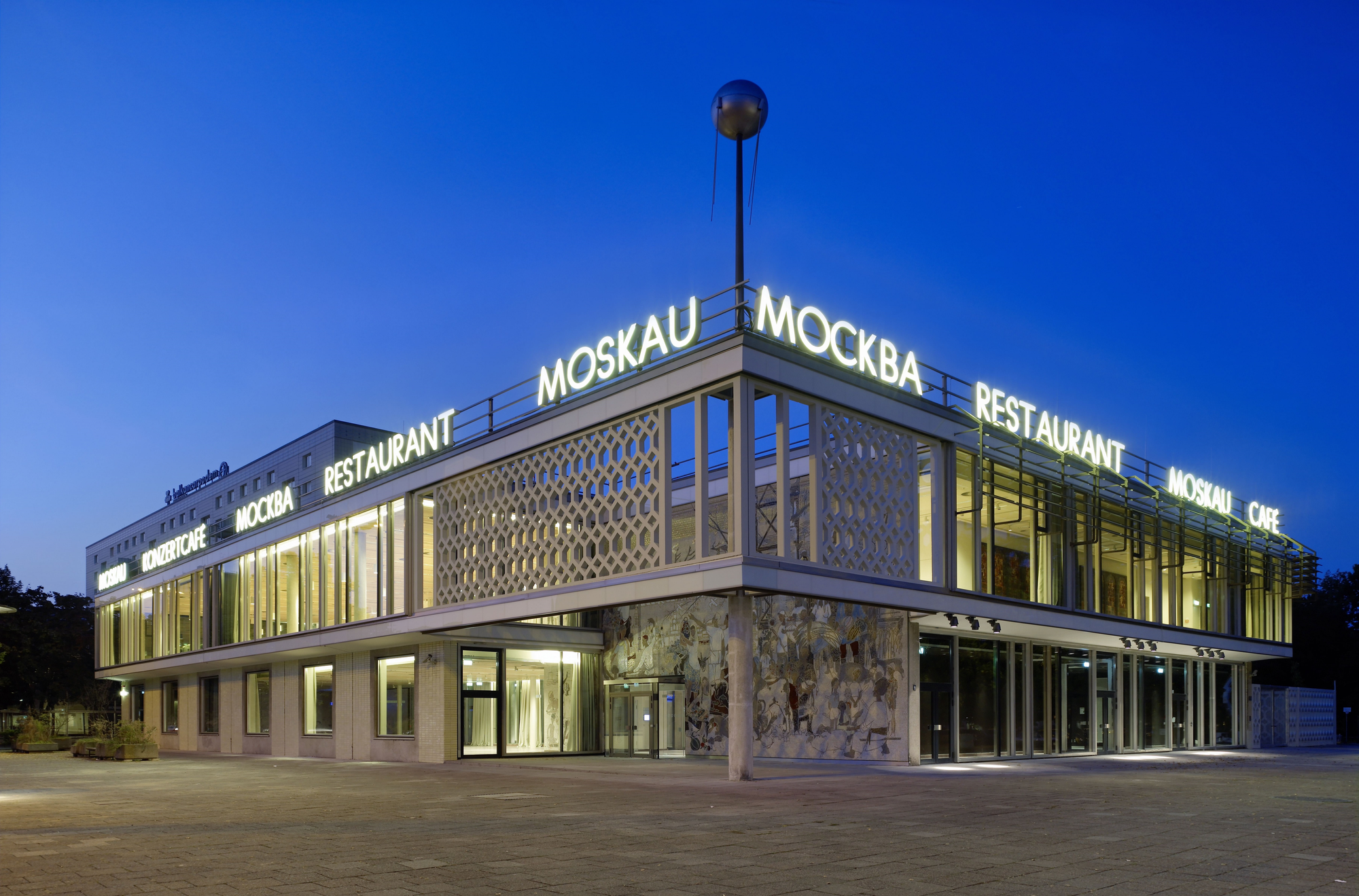
Opened on January 18, 1964, and renovated from 1982 to 1987, then restored in 2007, this establishment has been a venue since 2009. It also hosts enough room for 2,400 people, meeting rooms, an atrium, and a rose garden. Designed by Josef Kaiser and Gerd Pieper, the building was supposed to symbolize the brotherhood between the Soviet Union and East Germany. Square meterage comes in at 3,100, with 2,600 of those square meters being exhibition space. Its address is located at the appropriately-named Karl-Marx-Allee 34.
Georgia
Needless to say, we aren't referring to the US state. We are referring to the country in the Caucasus. Part of the Russian Empire from 1801 to 1918, Georgia briefly gained independence before being annexed by the Soviet Union in 1921, then gained independence for the final time in 1991. But today, some Soviet-era structures still stand, and one such example is the...
Russia-Georgia Friendship Monument
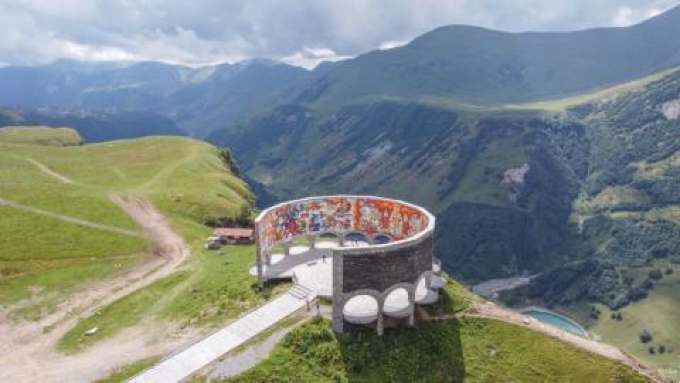
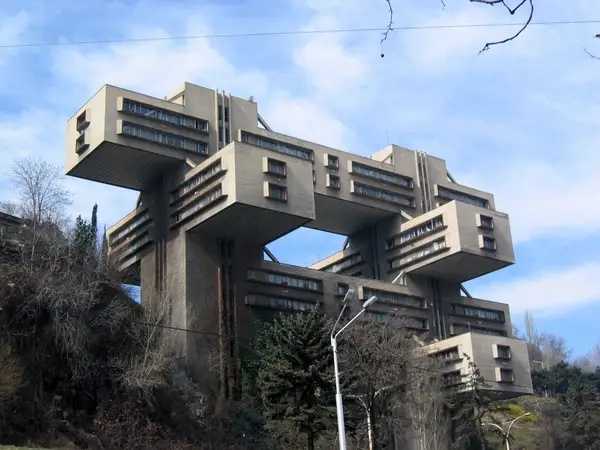
To celebrate the 200th anniversary of the Treaty of Georgievsk in 1783, when Georgia was made a protectorate of the Russian Empire, this monument (also called the Peace Monument) was established in 1983 on the only road connecting Moscow to Tbilisi. The location where the monument sits overlooks ravines and mountains in the Caucasus Mountain range. And inside the stone semi-circle-shaped monument, which was designed by Giorgi Chakhava (who also designed the Bank of Georgia, pictured at the top of the article), you'll find a large mosaic, depicting scenes of Russian and Georgian history.
Kosovo
Whether it's a country or a part of Serbia is not up for debate in this article. Instead, we will see what this region of Europe has to offer in regard to monuments and buildings from its days as part of Yugoslavia.
National Library of Kosovo, Pristina
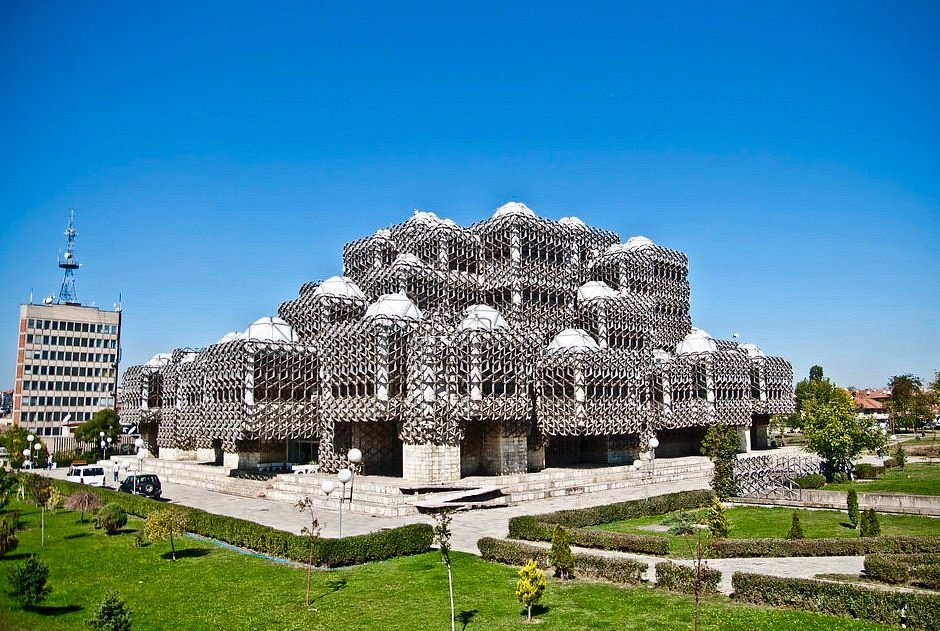
Despite its reputation from the war in the 1990s, Kosovo still boasts some of Eastern Europe's most interesting structures. And the National Library of Kosovo is no exception. The library was opened in 1982 and was designed by a Croatian architect (since Kosovo and Croatia were both part of Yugoslavia at the time). One notable trait of the library are the 99 total domes that sit on top of it. Another trait is the metal net surrounding the whole thing. But the origins of these traits are disputed. Even today, ethnic Albanians and Serbs still argue about the cultural influences behind the building's design. Some say that Islamist art is behind its unique shape, while others will tell you that the dome shapes come from Byzantine traditions.
Miners Monument, Mitrovica
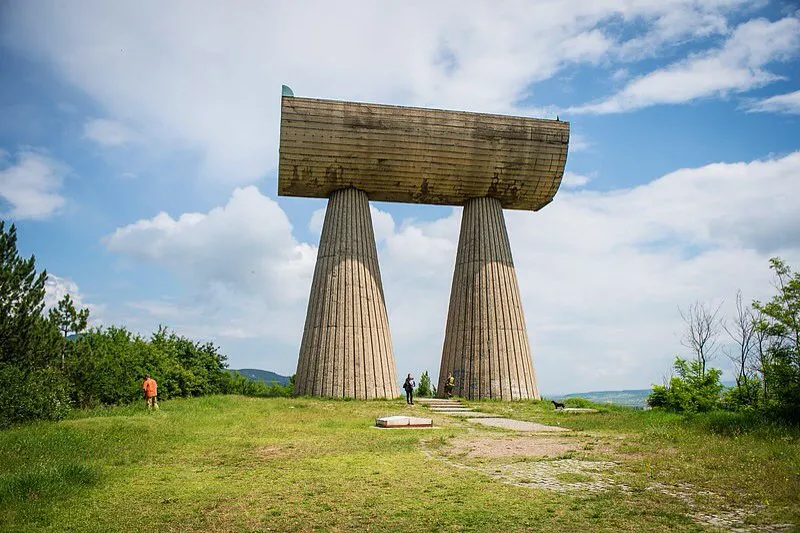
Sitting atop Miner's Hill is a monument of what is supposed to be a mining cart (of all things) that pays tribute to the Miners Troop, which was a group of ethnic Serbians and Albanians who united against Nazi occupation during World War II. The monument was supposed to symbolize the relationship between the Serbian and Albanian people, and the monument is still considered to be the most significant monument in its vicinity. Monuments like this are referred to as "spomeniks," which loosely means "memorial structures built from the 1950s to the 1990s, with the intent to honor the people's resistance during the National Liberation War of 1941-1945."
Lithuania
Another former Soviet republic (and the first one to declare independence from the Soviet Union), Lithuania has some communist-era monuments up its sleeve, one of which has made this list. Though this memorial, while made during the communist era, commemorates the complete opposite of communism, fascism.
Ninth Fort, Kaunas
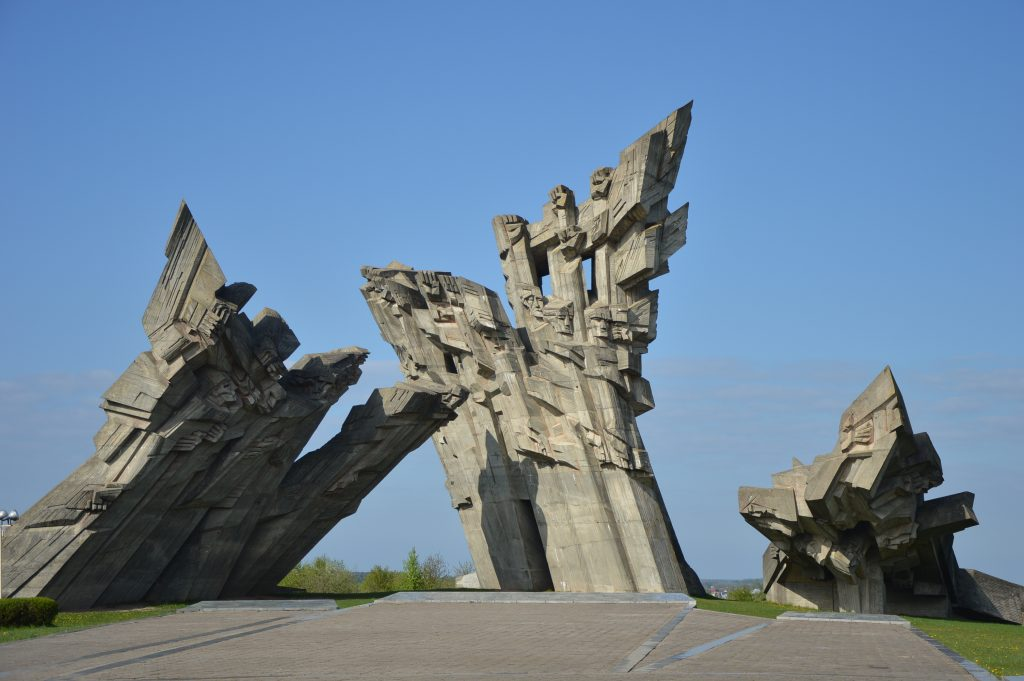
During the German occupation of what is now Lithuania from 1941 to 1944, an imprisonment and massacre of around 50,000 people, mostly Jews, took place. After the war, in 1958, the fortress was converted into a memorial and museum. In 1984, a 32-meter-tall structure was built in honor of the victims of fascism, symbolizing the "pain, sorrow, tortures, and eternal remembrance."
Moldova
Yet another Soviet republic, the Moldavian Soviet Socialist Republic lasted from August of 1940 until the fall of the Soviet Union. And brutalist infrastructure existed in this Soviet realm, just like in the 14 others.
Chișinău State Circus, Chișinău
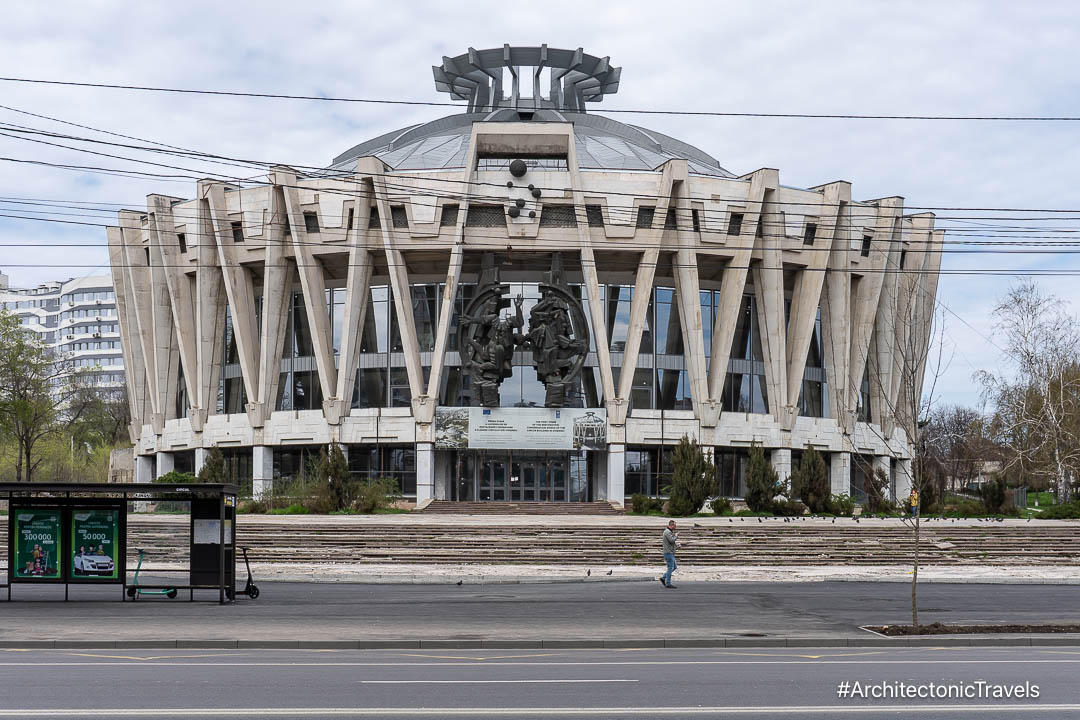
Opened in 1981, this brutalist monument operated until 2004, when it was shut down for maintenance and hasn't been reopened since. Once the best circus in the Soviet Union, the only thing keeping it going during economic disrepair in the wake of the fall of the Soviet Union was the inseparable bond between Moldavian culture and performing arts. The building could host 19,000 spectators at once, and even though it's been over 20 years since it closed, the building still stands, though its future is in doubt, as the structure is starting to crumble without proper maintenance.
Romanita Collective Housing Tower, Chișinău
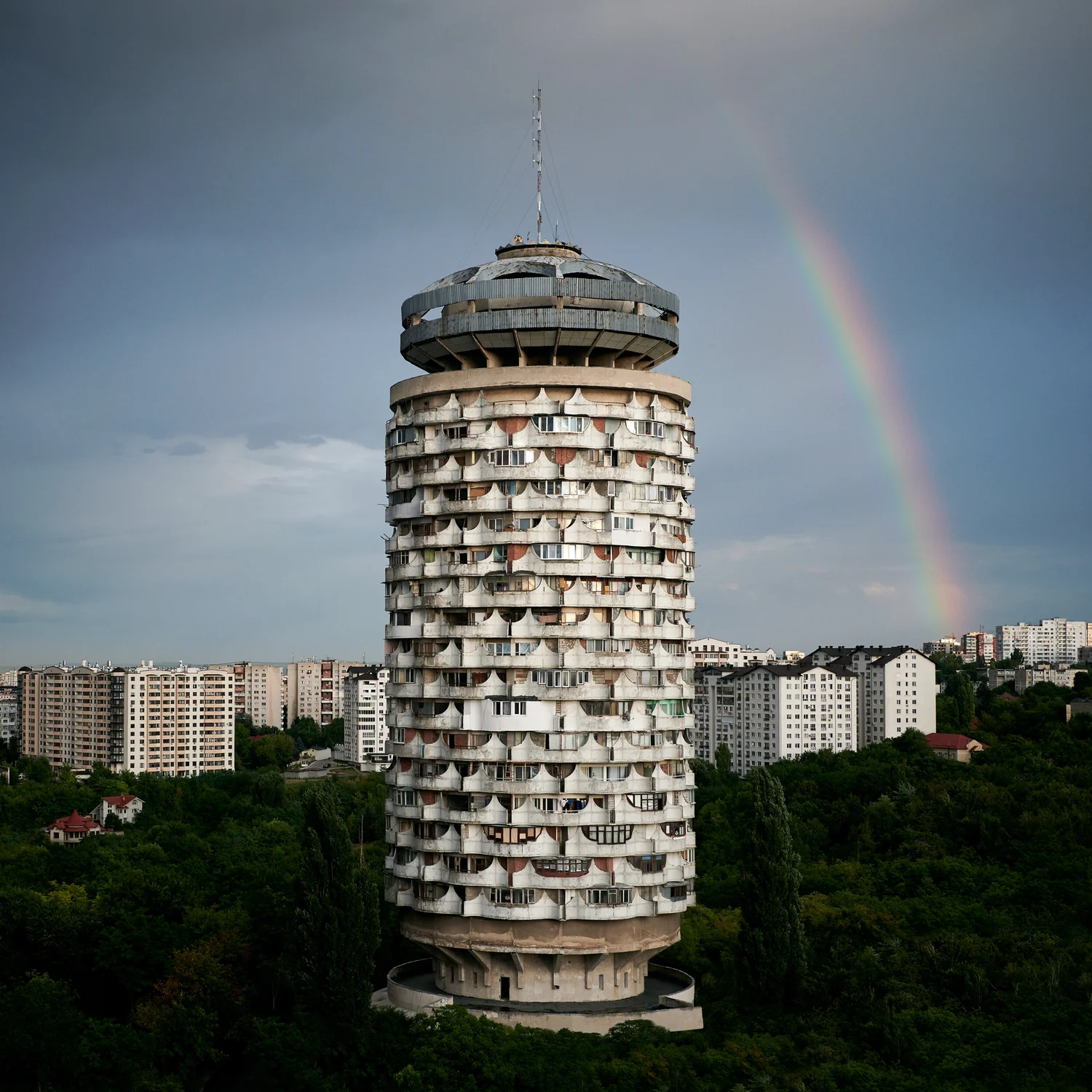
Also found in Chișinău (Romanian pronunciation "Kee-she-no"), this structure stands 73 meters tall and has 22 floors, plus 2 basements, making it the tallest building in Chișinău. The tower was actually supposed to be part of a larger compound, consisting of the tower, a cafeteria, and a sports hall. But since the fall of the Soviet Union, only the tower has been built. And while the building was designed to last 100 years, the tower is now in a state decline and advanced decay.
North Macedonia
Part of Yugoslavia from 1945 to 1991 and known simply as "Macedonia" from 1991 to 2019, North Macedonia was not under Soviet rule, but Yugoslavia was communist, despite the fact that Yugoslav leader Josip Broz Tito and Soviet dictator Joseph Stalin were enemies. Tito led Yugoslavia as prime minister from 1944 to 1963 and served as president from 1953 until his death on May 4, 1980. Anyway, Yugoslavia certainly had some brutalist architecture of its own, as follows.
Central Post Office, Skopje
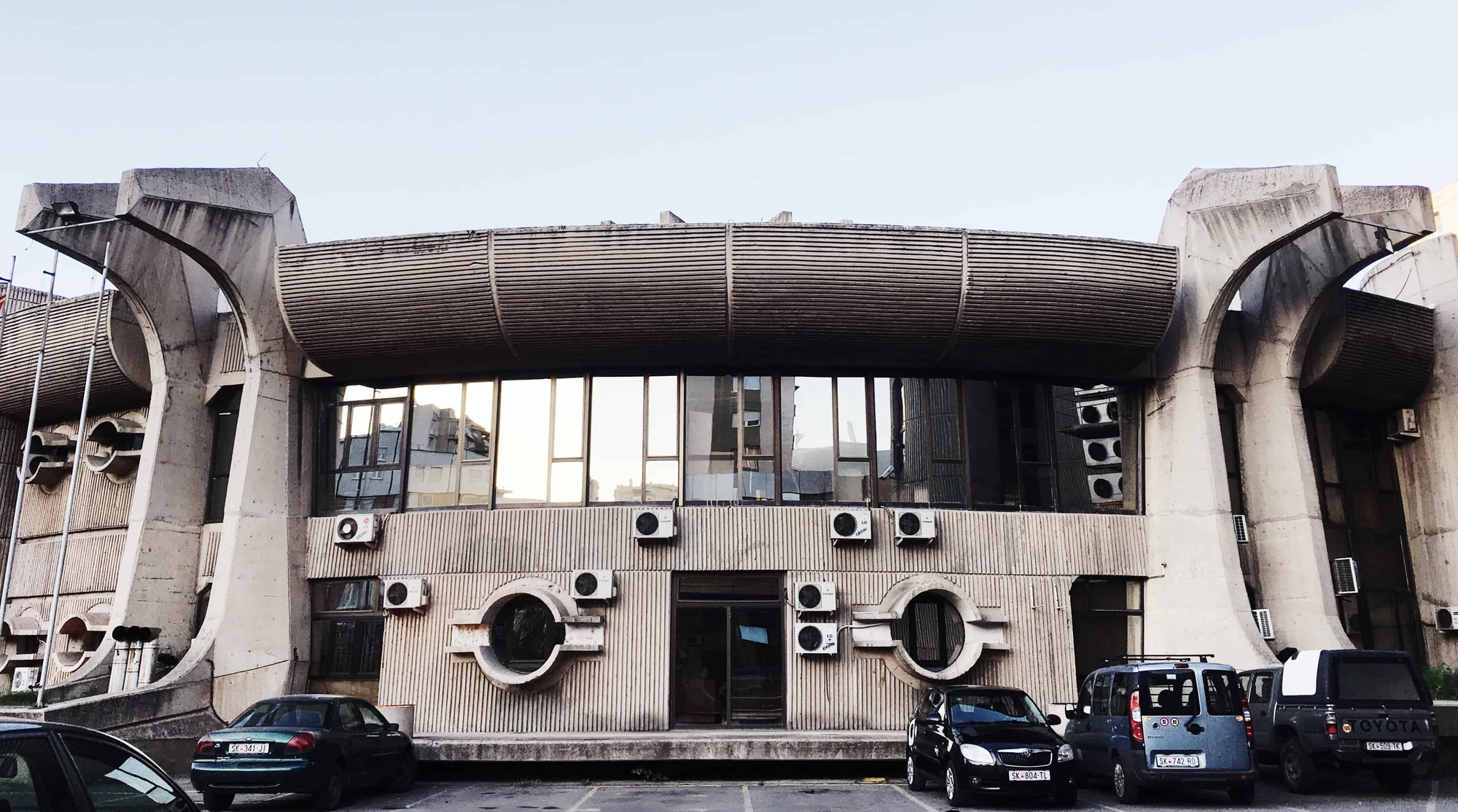
Modern Skopje features an architectural mix of semi-historical buildings and Ottoman-era monuments. But this post office is an exception. Built in three stages from 1974 to 1989 as part of the city's reconstruction from a devastating earthquake in 1963, this establishment still functions as a post office to this day.
Ilinden Monument, Kruševo
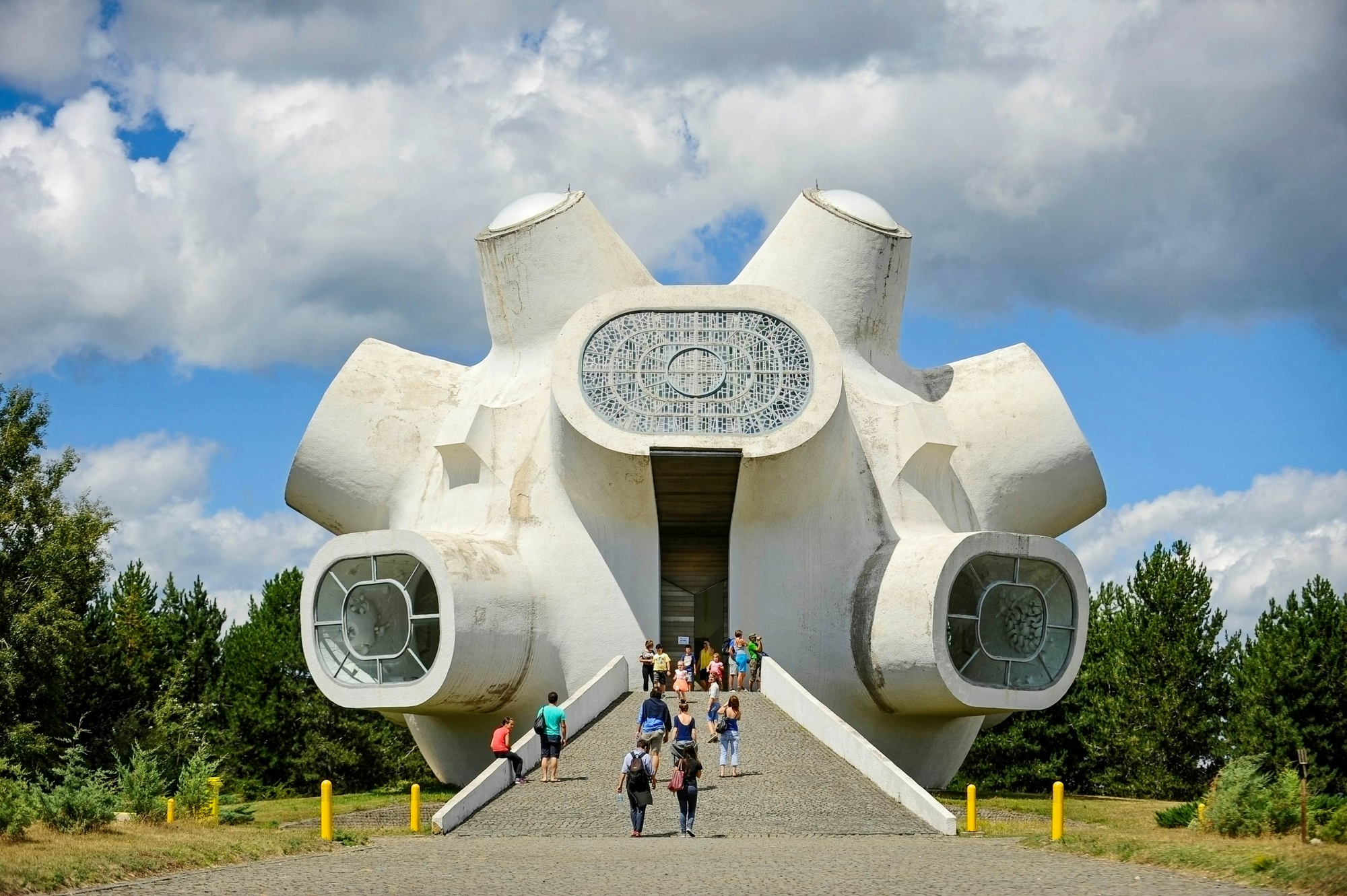
Also called the Kruševo Makedonium, this one is actually made up of several different sculptural entities which pay tribute to those who took part in the Ilinden uprising in 1903, as well as the soldiers who fought in World War II for the liberation of North Macedonia (at the time, part of Yugoslavia). The complex was built in 1974, and its most significant part is the 25-meter-tall naval mine-like dome pictured above. Of the multiple protruding glass windows, four of the largest ones feature stained glass.
Poland
Once a Soviet satellite state, Poland was known as the Polish People's Republic from 1946 to 1989, and after communism, Poland joined NATO in 1999. But during its communist time, some examples of brutalist architecture were constructed, though not as many as some others on this list.
Forum Hotel, Kraków
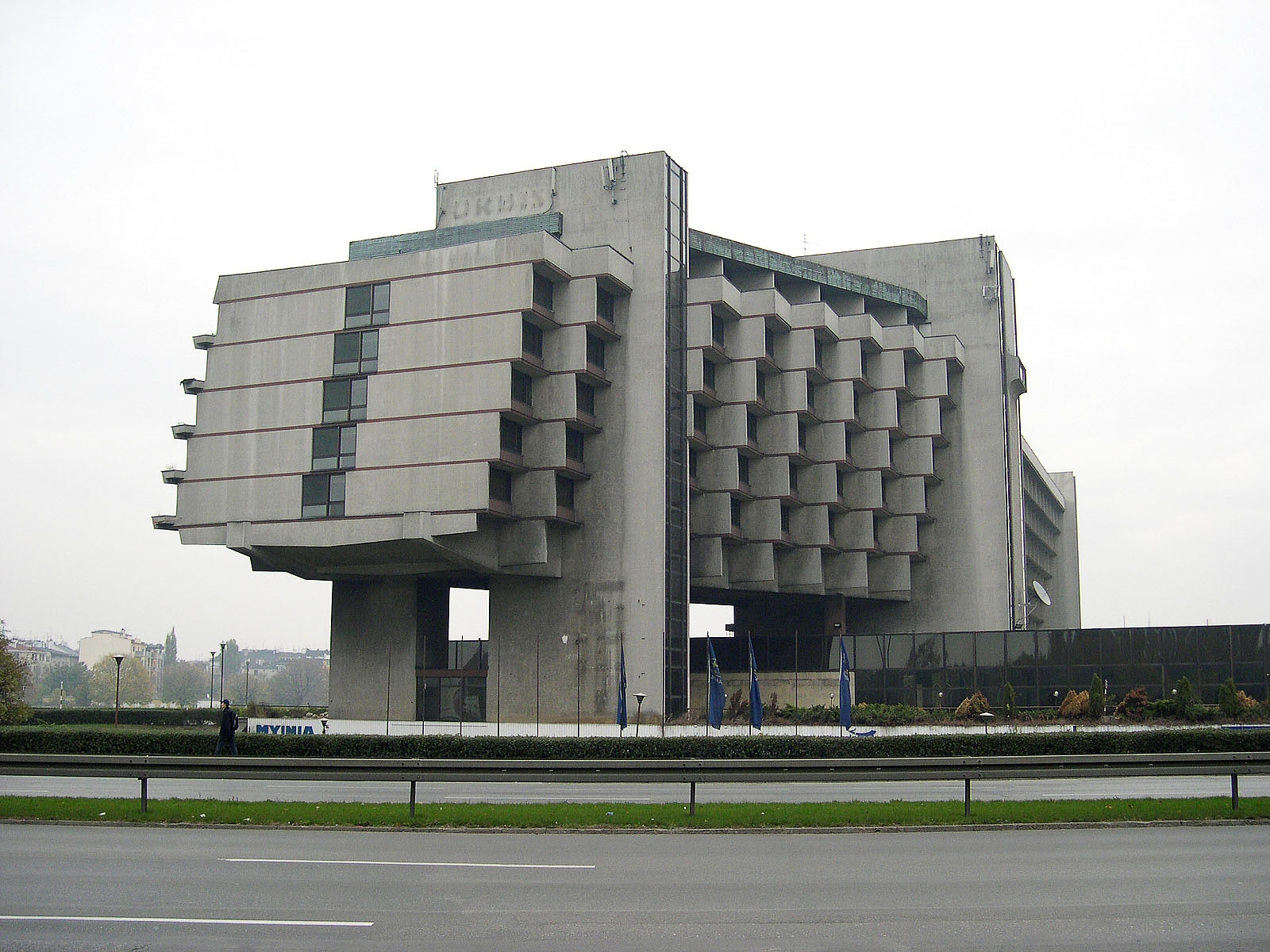
In a building that can be described as "Polish brutalism at its best," we find this hotel, which was built in 1978, has 280 rooms, and stands 40 meters tall and 110 meters long. Some of the things that the hotel offered, like air-conditioned rooms, electronic clocks with temperature readings, a swimming pool, mini golf course, and casino were unknown in Kraków at the time. But like the State Circus in Chișinău, the Forum Hotel's future is being discussed. Both the food court and the nightclub in the hotel's basement have been closed, and the hotel itself may not be far behind.
Romania
Most famous for executing its communist dictator, Nicolae Ceaușescu (pronounced "Chow-shess-coo"), on December 25, 1989, this former Soviet satellite state also has a few buildings from its communist heyday.
Palace of the Parliament, Bucharest
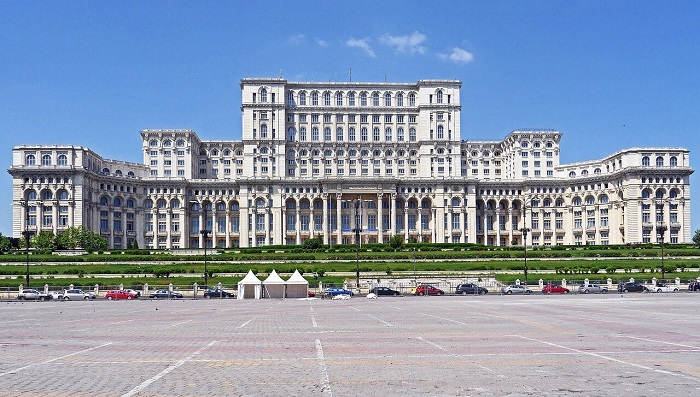
Once again, we find ourselves with an entry that was completed after the communist era of said country was over, though the construction began during the communist era, and that's enough for it to be included. Covering 365,000 square meters (by comparison, the White House is 5,100 square meters), this structure was completed in 1997, is made from bronze, steel, and marble, and mixes different architectural types together.
Serbia
Not to be confused with the Russian region of Siberia, this country in the Balkans region of Europe was also a part of Yugoslavia. And, as mentioned before, communist Yugoslavia and the Soviet Union were enemies.
The Western City Gate, Belgrade
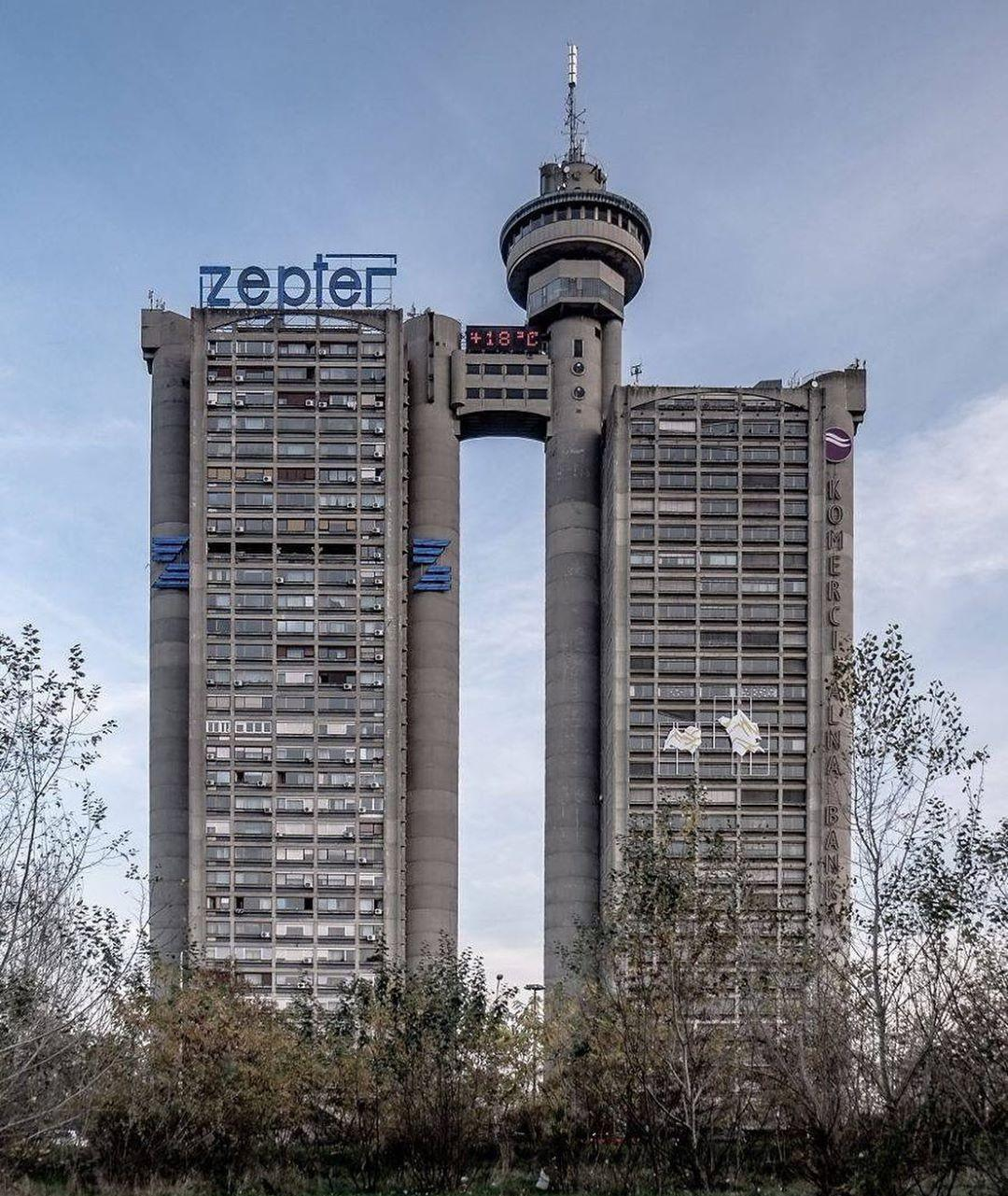
Also called the Genex Tower, this 36-story office and residential structure was built in 1979 and consists of two towers connected by a two-story bridge. It also has a now-closed restaurant in the circular top of the structure. However, it is worth noting that the left tower, with the inscription "Zepter" on the top, is abandoned. Despite this, along with its brutalist nature and semi-abandonment, the building's apartments (on the right tower) are highly sought after, and it's very difficult to buy one.
Slovakia
Once part of the Czechoslovak Socialist Republic from 1948 to 1989, which was another Soviet satellite state, it is now one of two separate countries of the Czech Republic and Slovakia. And, as is usual with all the formerly communist countries in eastern Europe, there's brutalist buildings which still stand and function today. One such example made the list.
Hotel Panorama Resort, Štrbské Pleso
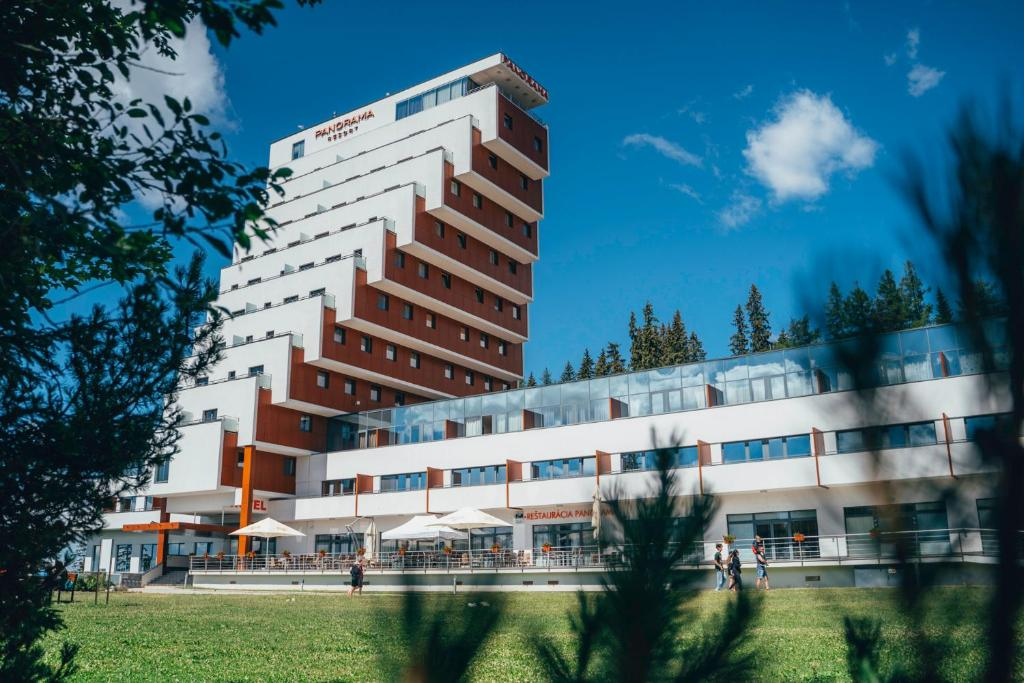
Hosting wide views of the Tatras, this hotel, which was built in 1970 for the FIS Nordic Ski Championships and hosted guests until 2008, has been completely refurbished and, to this day, it’s a 4-star hotel, sitting 1,335 meters above sea level. You may also recognize this building as being on the cover of the album Etazhi by the Belarusian band Molchat Doma, which has, to a certain extent, brought this building back into the spotlight.
Ukraine
And, last but not least, the Soviet Union's (and now Russia's) punching bag. Most of Ukraine had been part of the Russian Empire since 1795 and it fully became part of the Soviet Union in 1922, then gained independence on December 26, 1991, with the fall of the Soviet Union. Since then, Ukraine and Russia's relationship has been complicated (never mind the things that Putin has done). In the 69 years that the Ukrainian Soviet Socialist Republic existed, brutalist buildings were (you guessed it) built around the country. One made the list.
Druzhba Sanatorium, Yalta
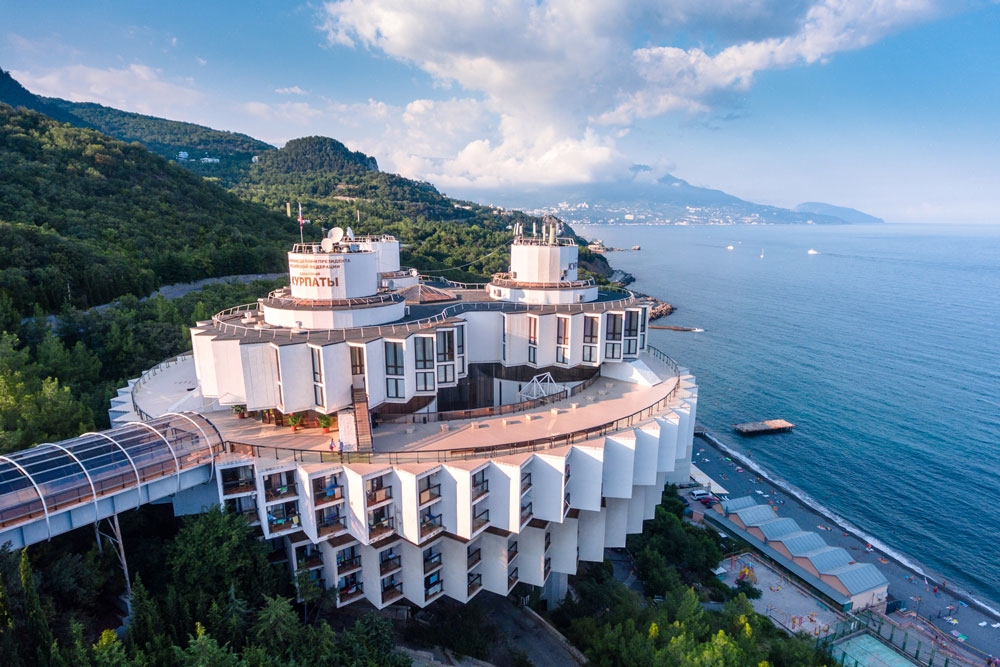
Perched on a hill above the Black Sea is an icon of Soviet-era architecture that is still in use today. Designed by Igor Vasilevsky and built in 1986, this one was mistakenly thought to be a launching pad by the US Department of Defense. Its design is meant to provide each room with sunlight and views of the Black Sea, and the whole building is built on three pillars which allow trees and other forms of nature to grow beneath it. To enter, visitors cross a bridge encased in a glass tube and then descend into the complex.
Are you willing to visit some of these monuments? Do you think they should remain or be taken down? Leave a comment!
Sources: Matador Network, Forbes, Rethinking the Future, Kashkaval Tourist, Yomadic, ArchDaily
 Yuri Drobkov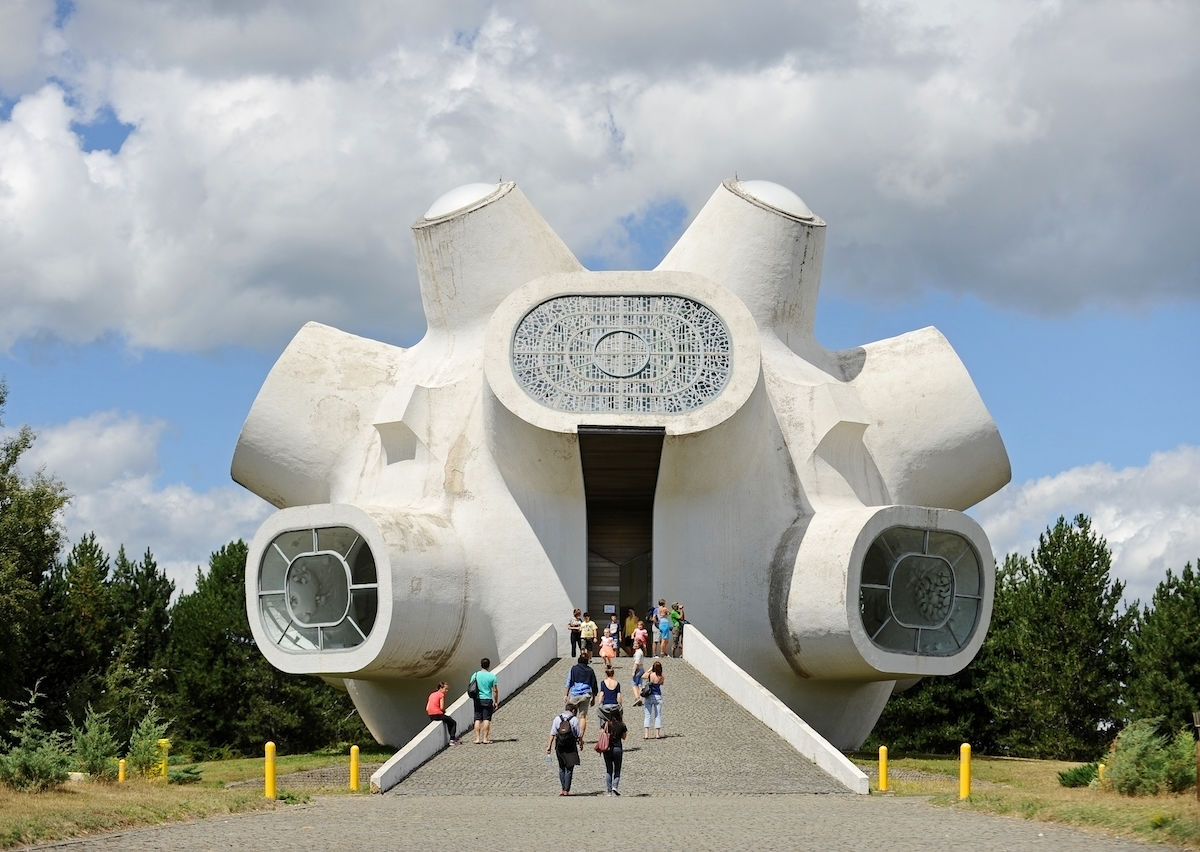
 Rebecca Banovic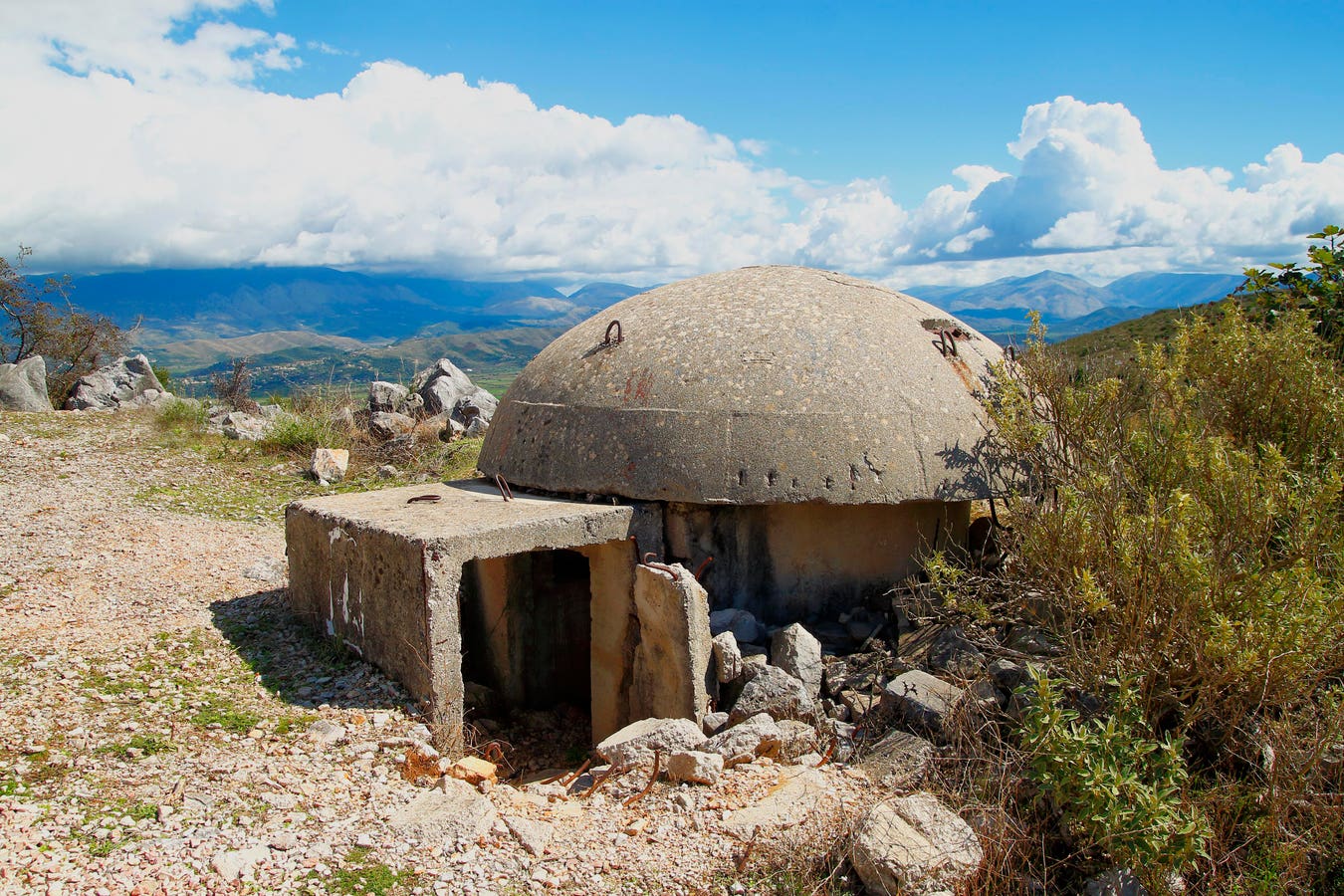
 Todor Bozhinov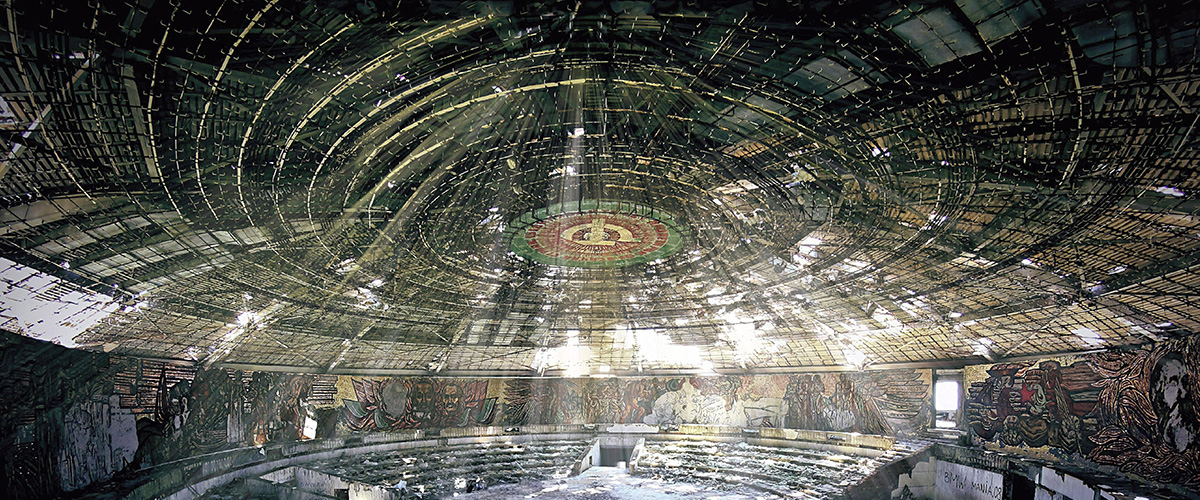
 Darmon Richter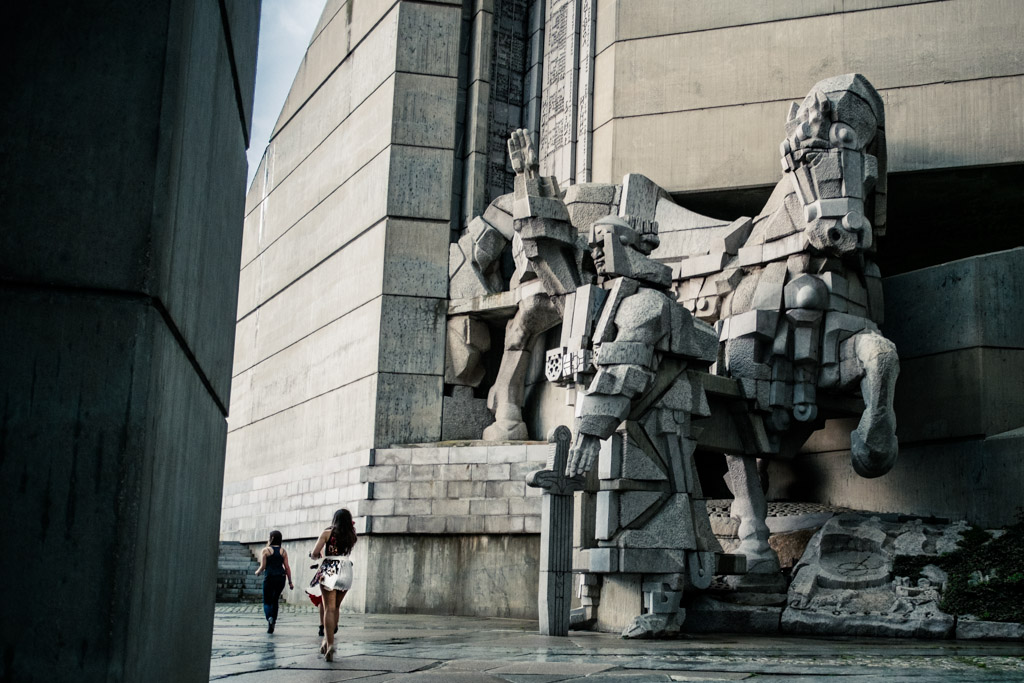
 Alison Furuto