Unsung Black Figures You May Not Know About

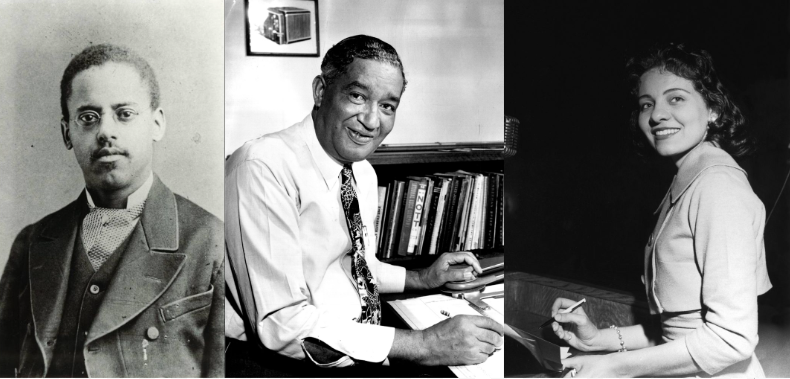
It’s Black History Month, once more. Because of that, it was time to write an article about historical Black figures who don’t get the spotlight as much. Dr. Martin Luther King, Jr. and Rosa Parks get the spotlight, and they should, but today, we will be looking at 7 figures that need recognition for their efforts, which range from spying for the Union to desegregating the United States once and for all, with a hint of inventions here and there.
Diane Nash
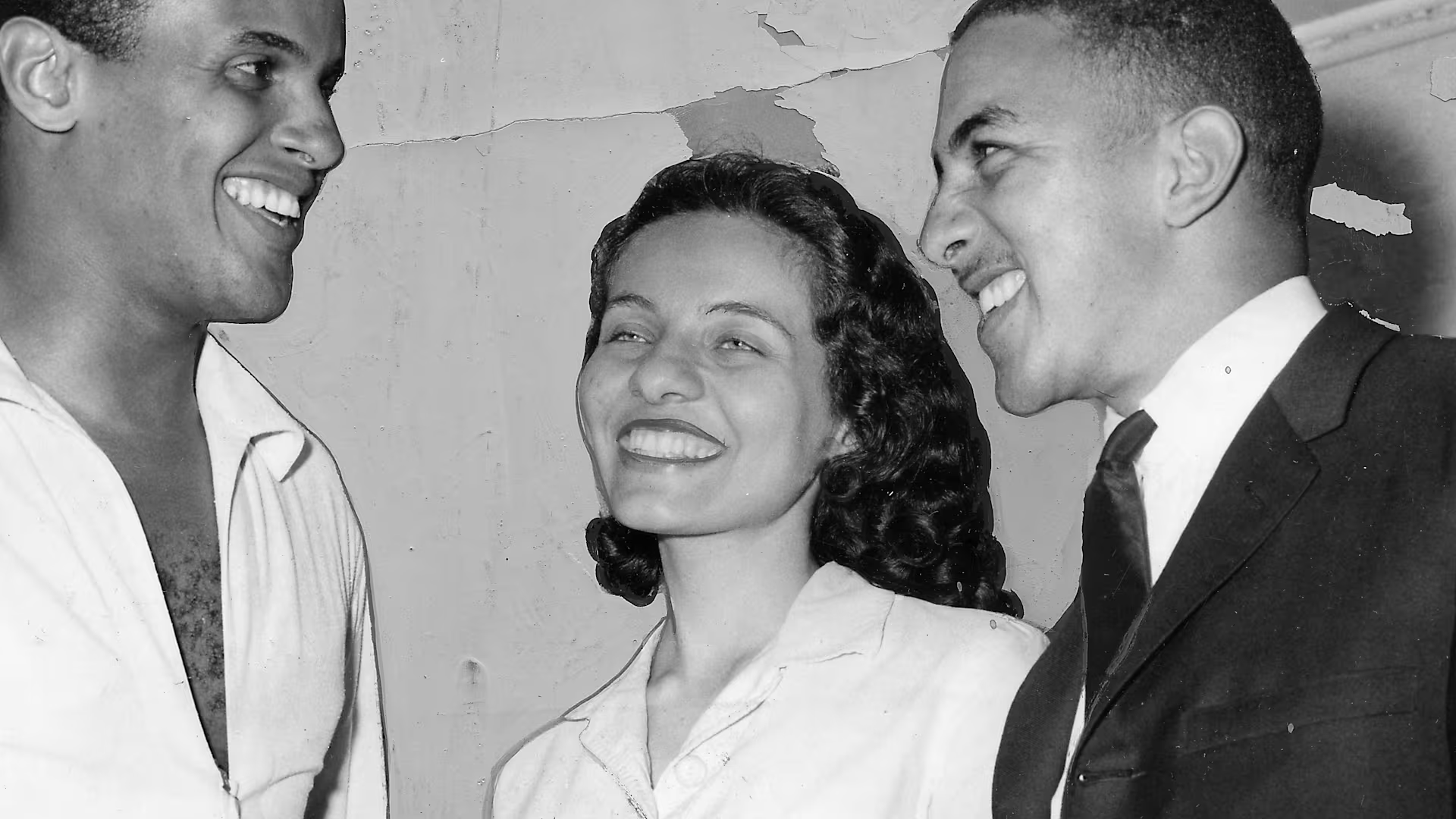
The Freedom Riders were a group of civil rights activists who rode passenger buses into the segregated South in the early 1960s to challenge the segregation of the time. The buses were often met with hostility by mobs against desegregation. On May 14, 1961, a mob attacked a bus in Anniston, Alabama, slashing its tires, beating several activists and burning the bus with passengers still inside. After this, the bus retreated to New Orleans and Nash stepped forward to continue the rides. Later in 1961, Nash was arrested for "contributing to the delinquency of minors" after encouraging young people to fight for desegregated buses in Mississippi. Her husband, whom she had met through activism, had been working to spread nonviolent means of protest. Her attorney wrongfully advised her to not appear in court, leading to a warrant for her arrest. Six months pregnant at the time, Nash surrendered to authorities and faced a sentence of up to two years. The contempt of court lasted for 10 days. After serving this sentence, she told civil rights organizations about her ordeal and believed that the government was wiretapping her phones when she told them. Not wanting to become the center of another political debate, the government reduced her two-year sentence. She later said that to change the world, "sometimes, you just have to be bad."
Mary Bowser
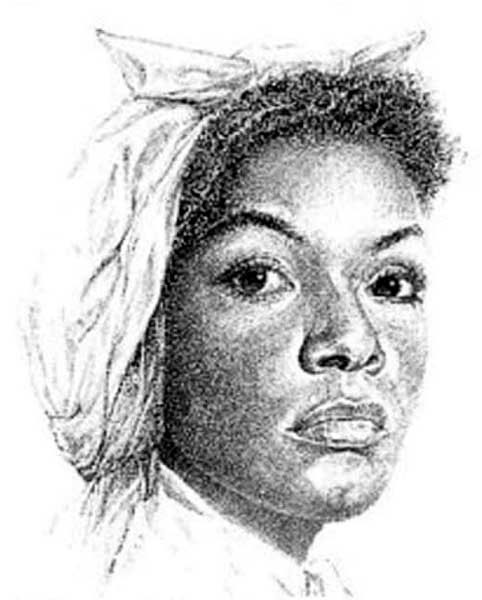
In the effort to keep the Union in one piece and end slavery once and for all, every helping hand was appreciated. And many Black individuals stepped up to help the Union. One such individual made the list. Mary Bowser was enslaved and, aided by a White woman named Elizabeth Van Lew, spied on Confederate president Jefferson Davis while posing as his servant. With a photographic memory and refined acting skills, Bowser was able to provide information to Van Lew, who would then take this information to the Union. But the two's relationship didn't have the best start. Van Lew was born in 1818 to a wealthy family in Richmond, Virginia. Despite her family owning many slaves, Van Lew's hatred of the institution only grew with time. After Van Lew's father died in 1843, Van Lew and her mother freed all the slaves in their possession. Not only that, but the $10,000 that Van Lew got after her father died (roughly $200,000 today) was used to buy and free the relatives of the slaves they once owned. One such individual was Mary Bowser (whose birth name was Mary Jane Richards). Bowser remained a servant for the family, even after gaining her freedom. But it was during the Civil War when the two would join forces to end the heinous practice of slavery in the United States.
Josephine Baker
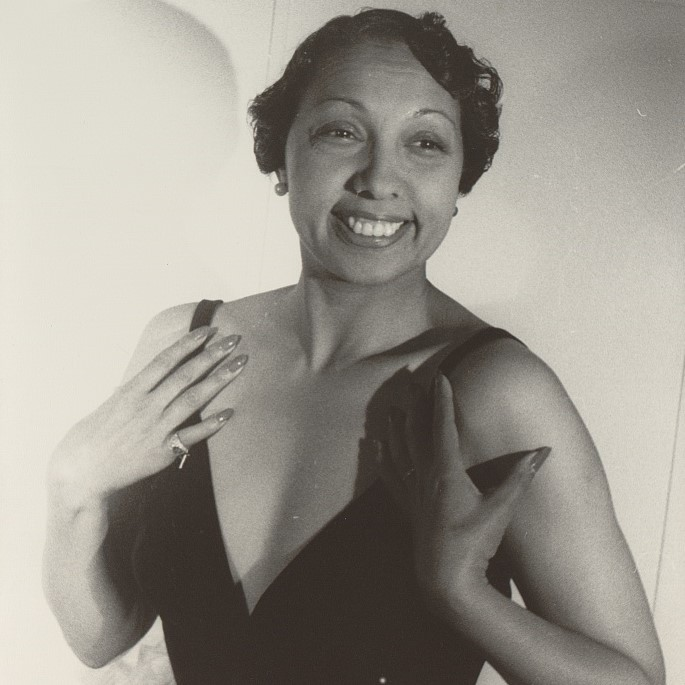
Double agents have been used in fictional spy stories like James Bond and similar tales, but one American-born French lady brought those tales to life prior to the first James Bond novel's release. Josephine Baker was born into segregation and poverty in St. Louis, Missouri on June 3, 1906. After being married in 1919 at the age of 13, which only lasted a few months, she left the United States at the age of 19 to be a burlesque dancer in Paris, France. From there, her career evolved into singing and acting in silent films of the time. This led to her becoming Europe's highest-paid entertainer of the time. With such glory, one wouldn't expect a celebrity to be a spy. But that was the perfect cover. When the Nazis invaded Paris in June of 1940, Baker packed her belongings (which included a gold piano and a bed once owned by Marie Antoinette) and left for a hideout 300 miles southwest of Paris. In November of 1940, Baker and an accomplice smuggled documents to Charles de Gaulle and the Free French government, which was in London in exile. Baker smuggled notes with information on them into her clothing at embassy parties in Spain and Portugal. Baker later said, "my notes would have been highly compromising had they been discovered, but who would dare search Josephine Baker to the skin? When they asked me for papers, they generally meant autographs." After being ordered to set up a liaison on Morocco in January of 1941, she contracted peritonitis in June of that year and was so ill that the Chicago Defender mistakenly ran an obituary for her. Despite this, she continued to spy and returned to Paris following the city's liberation in 1944 not only as a movie star, but also as a war heroine. She received the Croix du Guerre and Legion of Honor, two of France's highest military honors, in 1961 at a ceremony where her spy work was revealed to the public. She would also say "I am proud to be French because this is the only place in the world where I can realize by dream."
Lewis Howard Latimer
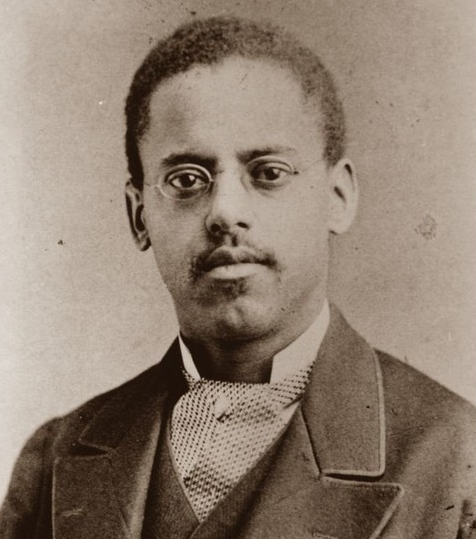
While the inventor of the electric light bulb is disputed, what we do know is that inventor Lewis Howard Latimer invented a method of keeping the light bulb from busting after 2 or 3 days. He discovered a carbon filament for Edison's creation that lasted longer than the bamboo filaments of the time, which usually lasted only a few hours. The discovery of carbon filaments led to the widespread adoption of light bulbs in applications like homes and streetlamps. But that was only part of his story. Latimer also helped Alexander Graham Bell develop a patent for the telephone, created a predecessor to modern air conditioning, and invented new and improved restrooms for train carriages. Six years prior to his birth on September 4, 1848, his parents escaped slavery in Virginia. His father was tried as a fugitive but was represented in court by Frederick Douglass. Latimer joined the Navy at the age of 15 during the Civil War. After the war, he became an office boy at a patent firm and learned how to be a draftsman, which he used to help Bell patent the telephone.
James Armistead Lafayette
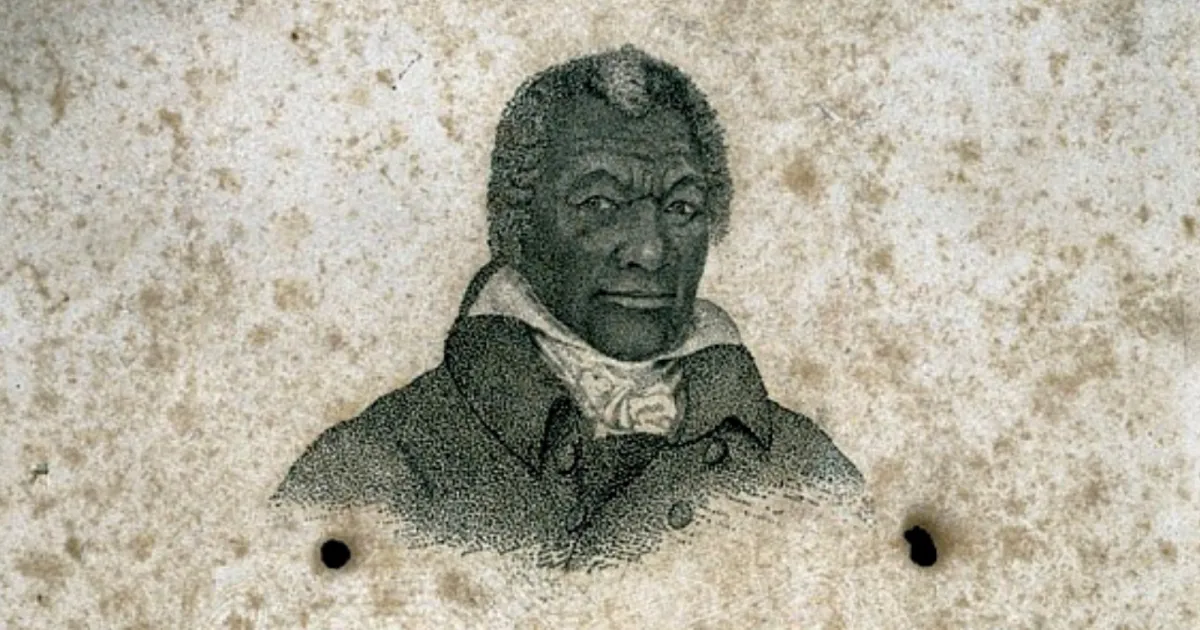
The Battle of Yorktown in the fall of 1781 was, arguably, the most important battle of the American War of Independence. The American victory led to the defeat of British forces under General Charles Cornwallis. Nearly 9,000 British soldiers surrendered to the Americans, and it wouldn't have been possible without a double agent who, believe it or not, was an enslaved man. James Armistead Lafayette was owned by William Armistead, who was managing the military supplies for Virginia after the war began in 1775. Five years later, both men moved from the then-capital of Virginia, Williamsburg, to the new capital of Richmond. And a year later, gained permission to fight. At the time, slaves could join either side, as freedom was promised to those who fought. But James didn't join the fight. Instead, he would be stationed under the command of Gilbert du Montier, Marquis de Lafayette, an allied French commander and a close ally of George Washington. Under this command, James was tasked with infiltrating the British Army as a spy. At this time, Lafayette needed to reduce the losses his forces suffered after fighting the more-equipped and better-trained forces of Cornwallis. At the same time, the French general was under orders to capture famous traitor Benedict Arnold. So, James had to present himself as a runaway slave. After this, he easily infiltrated British strongholds. At first, James took on small tasks, though he had high knowledge of the American landscape. Cornwallis knew this, and assigned him to spy on the American rebels. But this was a dangerous rope to be walking on. James supplied Lafayette with details on the British with handwritten notes to give other spies while giving Cornwallis false information. In the summer of 1781, James sent a note to Lafayette giving information on Cornwallis moving from Portsmouth to Yorktown and to expect the arrival of around 10,000 British troops. After this, Lafayette and George Washington prepared to set up a blockade around the Yorktown peninsula. This defeated Cornwallis and his forces, forcing the British surrender on October 19, 1781. After the war ended in 1783, James was unbelieveably forced to return to slavery. Unfortunately, under Virginia law of the time, spy work was not covered for slaves to gain their freedom. Until Lafayette provided a testimony in 1784, James would petition the Virginia state legislature for freedom but would be ignored numerous times. And thanks to the testimony, James became a free man in 1787. And in honor of the French general who helped him, James changed his name to James Armistead Lafayette. James later moved to New Kent, Virginia where he had spent much of his life as property. With 40 acres of land to his name, he became a husband and father and received $40 a month (around $1200 today) from the Virginia legislature for his work to build a new nation that was reluctant to give him his hard-earned freedom.
Frederick McKinley Jones
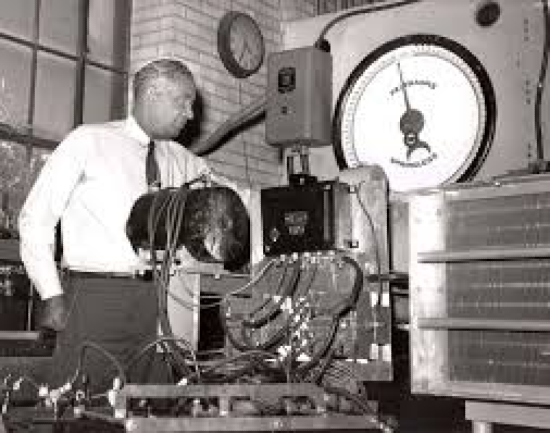
Let us not forget the man who allowed perishable goods to be transported longer distances. Inventor Frederick McKinley Jones is credited with inventing modern mobile refrigeration, and his methods proved to be better than your average ice truck. Despite being orphaned at the age of 7 in 1900, Jones was a self-taught in mechanical and electrical engineering, and by the age of 20, he had learned enough to be given a license for engineering. After serving in World War I, he moved to a farm in Minnesota, where he helped build a radio transmitter tower and later help develop a device to pair moving images with sound, with the help of a local entrepreneur named Joseph Numero, who used this equipment to improve the audio products made by his company, Cinema Supplies, Inc. This proved to be the beginning of the partnership between Numero and Jones. In 1935, Numero heard about a local farmer who couldn't transport his crops on long journeys without them rotting during transport. This gave Numero an idea. With help from Jones, the two made a cooling unit from obscure sources and put it on a truck. This technology would go on to be put on rail cars and cargo ships. The two created the company Thermo King, which still operates today. And during World War II, the military used refrigeration technology to transport food, blood, and medicine to the frontlines. At the same time, refrigeration units cooled field hospitals and kitchens, which would go on to save many lives. During his lifetime, Jones received over 60 patents, the majority of which were refrigeration related. But others included X-ray machines, one of which was a portable device which transformed the medical supply industry. In 1991, then-president George H. W. Bush awarded the National Medal of Technology to Numero and Jones, posthumously, to their widows at a White House garden ceremony. Jones was the first Black American to receive this medal, despite having died from lung cancer 30 years prior.
Did you know about any of these figures before? Leave a comment!
Sources: History, Inside Edition




 DEBORAH HASTINGS