The Forgotten History of Helicopters in World War II

The Vietnam War, with the Bell UH-1 Iroquois, also nicknamed the Huey, will likely be forever known as the war in which helicopters played the most vital role. But it should be worth noting that combat helicopters are actually older than that. As in, two decades older. That might not sound like much, but remember, this is the 20th century, when 20 years can make all the difference in the world. In the 1940s, helicopters for combat were relatively new, so there weren't many options to choose from. So, let's take a look at the little-known rotorcraft that helped save the world and helped to nearly end it alike.
Note: some of the entries on this list would be more accurately described as "autogyros," which differ from actual helicopters in a few ways. First and foremost, the rotor is unpowered. Instead, these aircraft have an engine on the front or rear that act like an airplane's engine. The unpowered rotors will begin to rotate freely because of airflow, in a process called autorotation. This aircraft design offers advantages such as short takeoff and landing capabilities, as well as more stable flying. So, you could say that as long as "-copter" is in its name, it qualifies for this list.
Cierva C.30
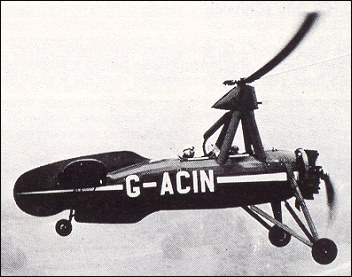
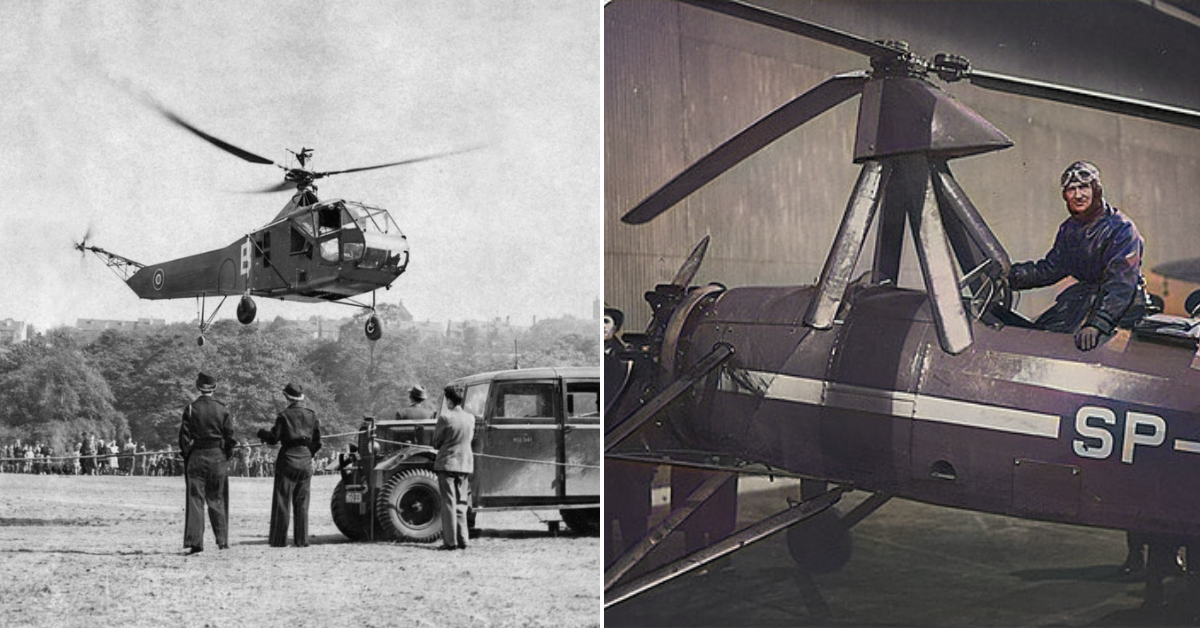
Kicking off this list is an aircraft from a country that was officially neutral during World War II, Spain. But that's not to say they weren't having a civil war which killed around 500,000 people. Regardless, this autogyro was designed by Juan de la Cierva in 1923. Often considered the first of their kind, many variants followed. It was later manufactured across the world. The Germans built their own version under license, which they called the Focke-Wulf Fw 30. And the French called theirs the Lioré et Olivier LeO C.301. The UK's variant was built by Avro (which later produced the World War II bomber Lancaster and the Cold War-era Vulcan) in 1934. When World War II broke out, most of the 148 aircraft built were taken by the RAF and used for radar calibration. Out of all the aircraft, only 12 survived the war.
Sikorsky R-4
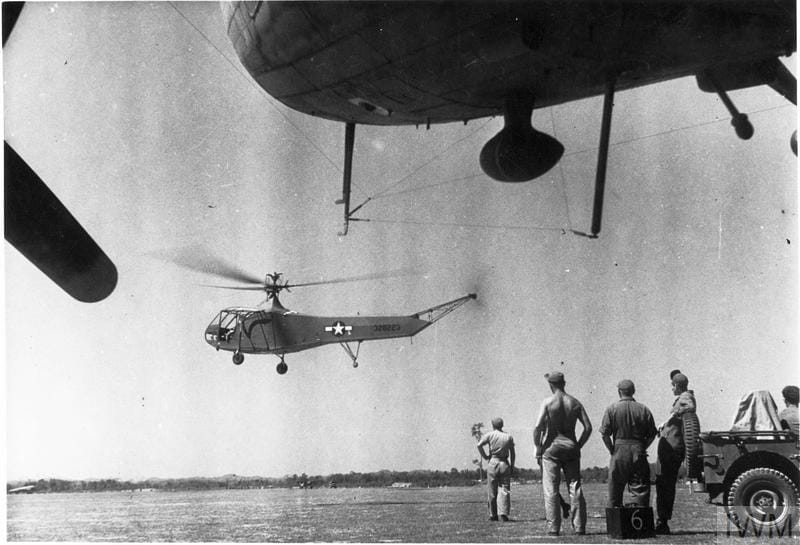
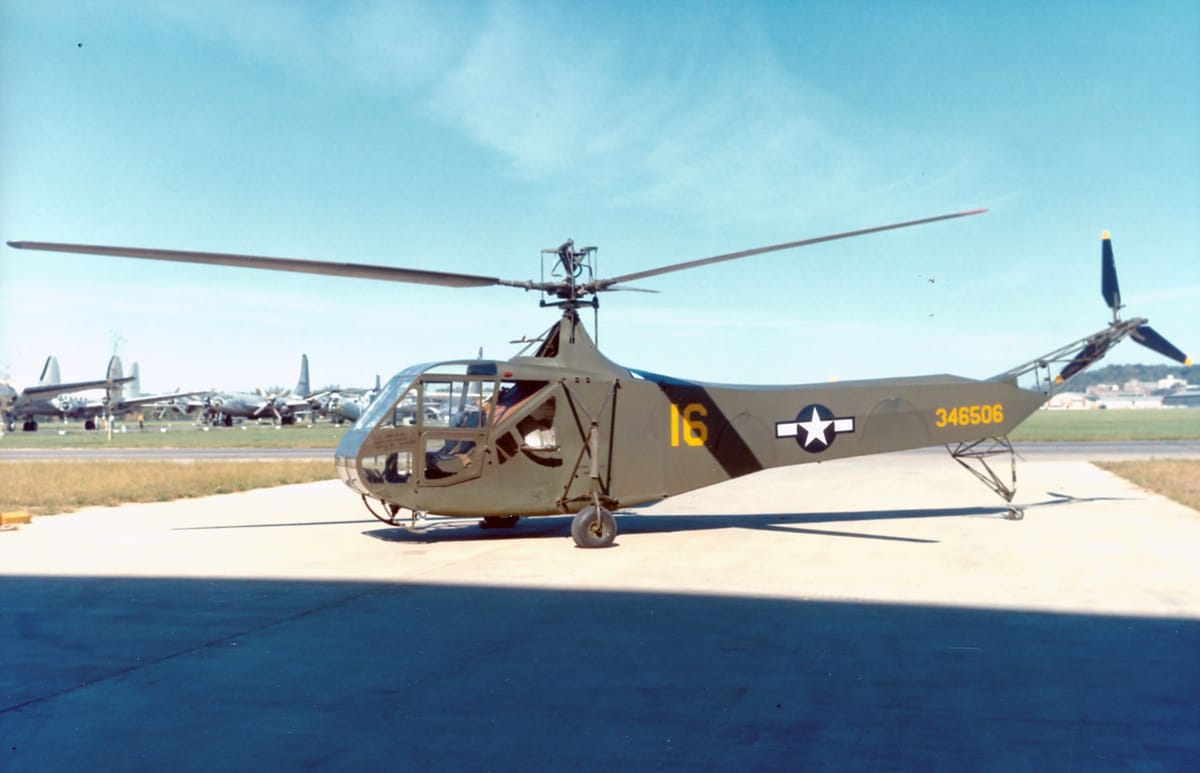
Okay, I admit. This one is most likely the only entry on this list that qualifies as an actual helicopter. But the others were similar enough to be included. Though this one paved the way for powered helicopters in combat as a whole. Designed by Ukrainian-b0rn (then part of the Russian empire) immigrant Igor Sikorsky, its prototype flew on January 13, 1942, just over one month after the attack on Pearl Harbor. Even though the helicopter was successful in many aspects, and the fact that it broke all records set by previous helicopters, it was difficult to fly. The Chicago Tribune said "the control stick shakes like a jackhammer, and the pilot must hold it tightly at all times. Should he relax for even a minute, the [helicopter] falls out of control. Pilots of regular planes say it's easy to identify a helicopter pilot, he has a permanent case of the shakes." This may be one reason why only 130 were built. Despite that, the helicopter was used domestically and on the battlefield. And during the war, they served almost extensively in East Asia. And the R-4 served with other Allied nations. In 1945, for example, a Canadian R-4 became the first aircraft to rescue a downed crew in the Arctic.
Kamov A-7

The Soviets weren't short on combat helicopters, either, even in the 1930s. Beginning in 1931, the Soviet Central Aerodynamic Institute (Russian abbreviation: ЦАГИ) developed this aircraft, after previously designing the A-4 autogyro, which was now fully incorporated into the Soviet Air Force for reconnaissance. The A-7, completed in 1934, had been built for combat. That made it the first ever combat autogyro and the first autogyro to be mass-produced in the Soviet Union. A later variant, designated the A-7bis, featured improved aerodynamics, while another variant, the A-7-3A, was lighter. This version was used by the Soviet Army in combat, having been equipped with three machine guns, a PV-1 on the front and dual DA-2 variants of the Degtyaryov on the rear. In addition, they were, on occasion, modified to carry explosives, either 4 FAB-100 bombs or 6 RS-82 unguided explosives. Even though the A-7-3A was the superior variant, the other two versions were still put to use, having been used to spot artillery positions and, in 1941, the original A-7 was used to, of all things, pollinate fruit trees in Tien Shan, China.
Focke-Achgelis Fa 330
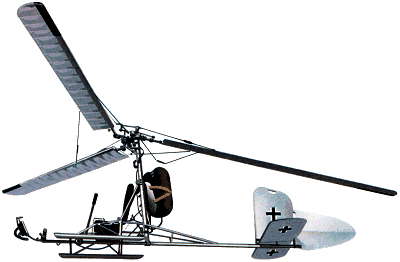
Moving onto the side of those who wanted to convert the world into fascism and exterminate those who were deemed "unfit," we see this German-made one-man rotorcraft. The term "helicopter" is not being used here because it was argued that the term "rotor-wing kite" is more appropriate. This aircraft was actually designed for the Kriegsmarine (or Nazi naval force) for U-boats. They would be stored inside the submarines and then brought on deck once the vessel surfaced. There was also no fuselage, so when the pilot climbed on board, the airflow would guide the aircraft into the sky, like a kite. It was then tethered to the submarine and could reach up to 120 ft (40 m) in altitude. Its main purpose was to help lookouts to spot targets out at sea.
Focke-Wulf Fw 61
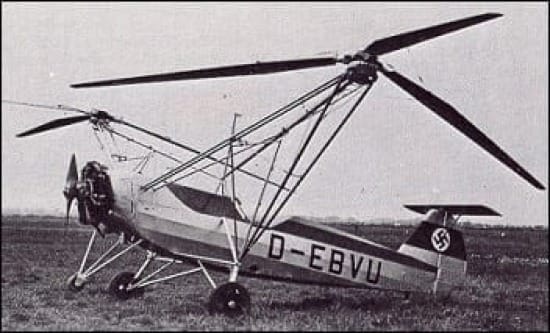
It is widely known that the German technology of the time was more advanced than any other country's technology, and they had been perfecting that technology well before the invasion of Poland. This is one such example of that. Even though the Soviets were the only ones with armed autogyros during the war, Germany actually produced the most of these aircraft during this time. Introduced in 1936, this one had two huge rotors on either side of the fuselage. The engine also had a traditional propeller like similar aircraft of the time. Two years after its introduction, it was demonstrated at to the German public at one of the stadiums used during the 1936 Berlin Olympics. And even though records show that the aircraft had airtime, we don't know much about what they did during the war. However, it is known that neither of them survived the war. Yes, neither. Interestingly enough, only two were ever built. And it is said that the design was based on the Cierva Model C.30 that Henry Focke built under license during the Interwar Period.
Flettner Fl 282
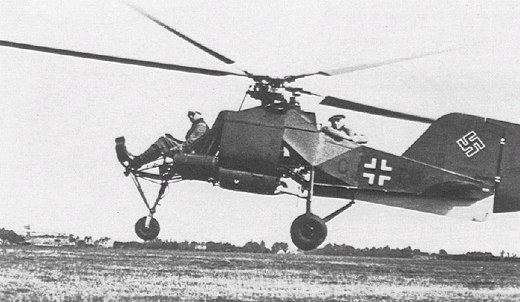
The previously mentioned Fw 61 wasn't the only rotorcraft developed for the Nazis. Designer Anton Flettner produced six single-seat prototypes, designated Fl 265, in 1939. But the Fl 282, nicknamed the "Kolibri" ("hummingbird" in German), was the better of the two. 24 were produced, and they were used by the Luftwaffe and the Kriegsmarine. The Fl 282 and Fl 265 were the first examples of something known as a "synchrocoptor." This is when two rotors are mounted side-by-side on short wings, and are intermeshed. The rotors were powered by a 7-cylinder air-cooled radial engine, made by Bramo, which had a 160-horsepower output. Since the rotors were counter-rotating, no tail rotor was needed. Intermeshing rotors also reduce the total rotor span of the aircraft, making them more applicable for use on naval ships. The Kriegsmarine used these aircraft for reconnaissance, since they could be launched from warships. There was even a version which could be launched from submarines. The Luftwaffe had ordered 1,000 Fl 282s, but since history had other plans, only 24 were ever made.
Kayaba Ka-1
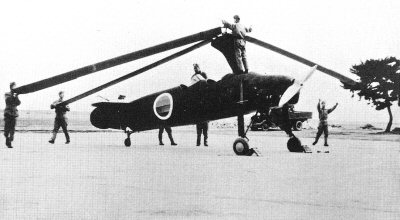
Before the war, the Japanese had also been experimenting with helicopters. Though they didn't produce anywhere near as many as the Germans and Americans did, the Japanese did design two: the Kayaba Ka-1 and Ka-2. The design was copied from the American Kellett KD-1A, which had been damaged after being imported in 1939. It wasn't until May of 1941 before the first prototype was airworthy. Development of the Ka-2 began shortly after. This time, the Ka-2 was powered by a different engine than the Ka-1, and both aircraft were meant for reconnaissance and anti-submarine warfare, with the latter being the thing that pilots were trained for. One unit of these aircraft were assigned to escort the Akitsu Maru carrier in 1944 and remained in that position until the vessel was sunk in November of that year. After which, the Imperial Japanese Army's fleet of autogyros were moved back to land. None of them had sunken an enemy submarine, though several enemy submarines were spotted by these aircraft.
Were you surprised to learn that there were, in fact, helicopters in World War II? Leave a comment!
Sources: World War Wings, Aero Corner, World War II in Pictures, War History Online, Imperial War Museums
 Rej
Rej
 Matt Claiborne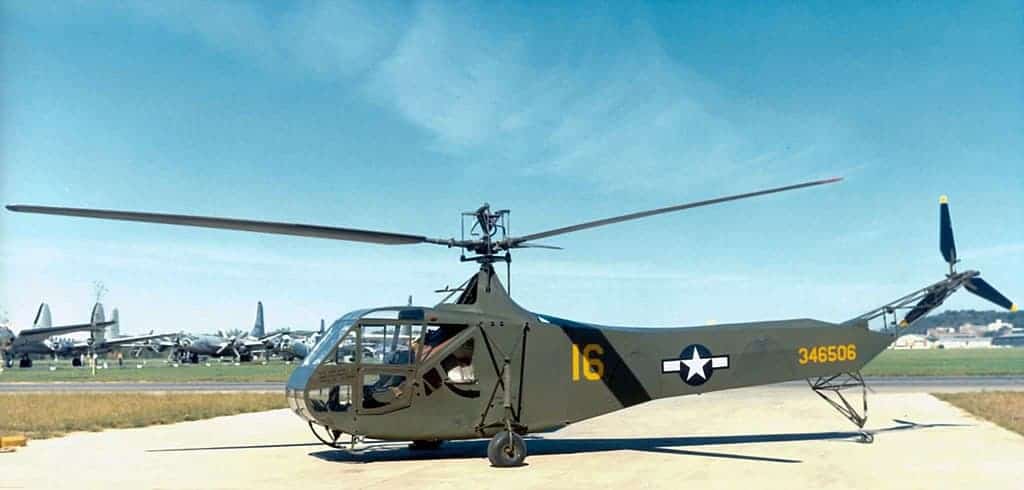
 James Bjorkman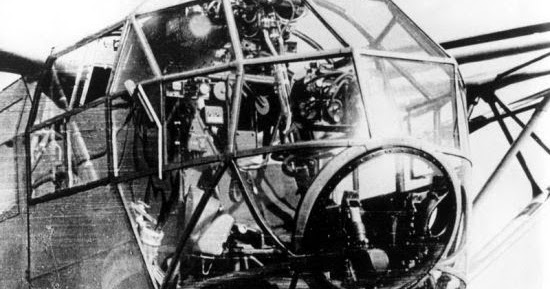
 James Bjorkman
 Rosemary Giles