14 Famous Songs with Titles That Aren't in the Lyrics
You think famous songs always say their titles? Not these ones.

If you've ever heard a new song (new to you, that is) that you like, and you don't have the Shazam app on you, you likely will listen to the lyrics and try to make out what you believe the title to be. This has happened to me several times, and oftentimes, I'm unsuccessful. And that was with songs with the titles in the lyrics. It would be even harder to find the titles of these songs. For this list, instrumental songs won’t be included. Only songs with actual lyrics will be included. So even though “Green Onions” by Booker T. & the MG’s is iconic and catchy, it won’t make this list. That’s a list for another day. For today, we will find out what the songs' titles actually are, as well as discuss why the songs are titled the way they are.
Baba O'Riley by The Who (1971)
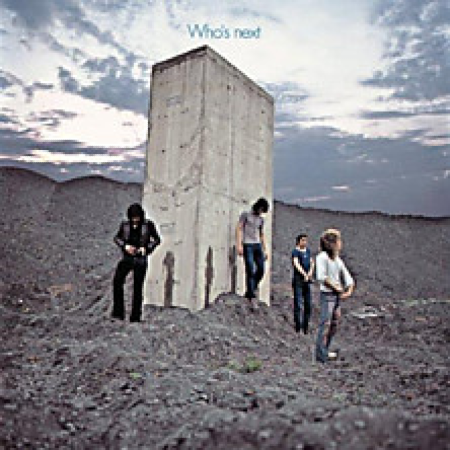
Kicking off this list is a song that can be described as one that defined the 1970s. If you thought this one was called “Teenage Wasteland,” you’re not alone. This song was actually named after two inspirations for the song's writer, Peter Townshend. Baba refers to the Indian spiritual leader Meher Baba, and O'Riley is a nod to American minimalist composer Terry Riley, whose musical style influenced the song's electronic sound. And, as said by internet lore, every time you listen to this song, the intro gets longer.
Bohemian Rhapsody by Queen (1975)
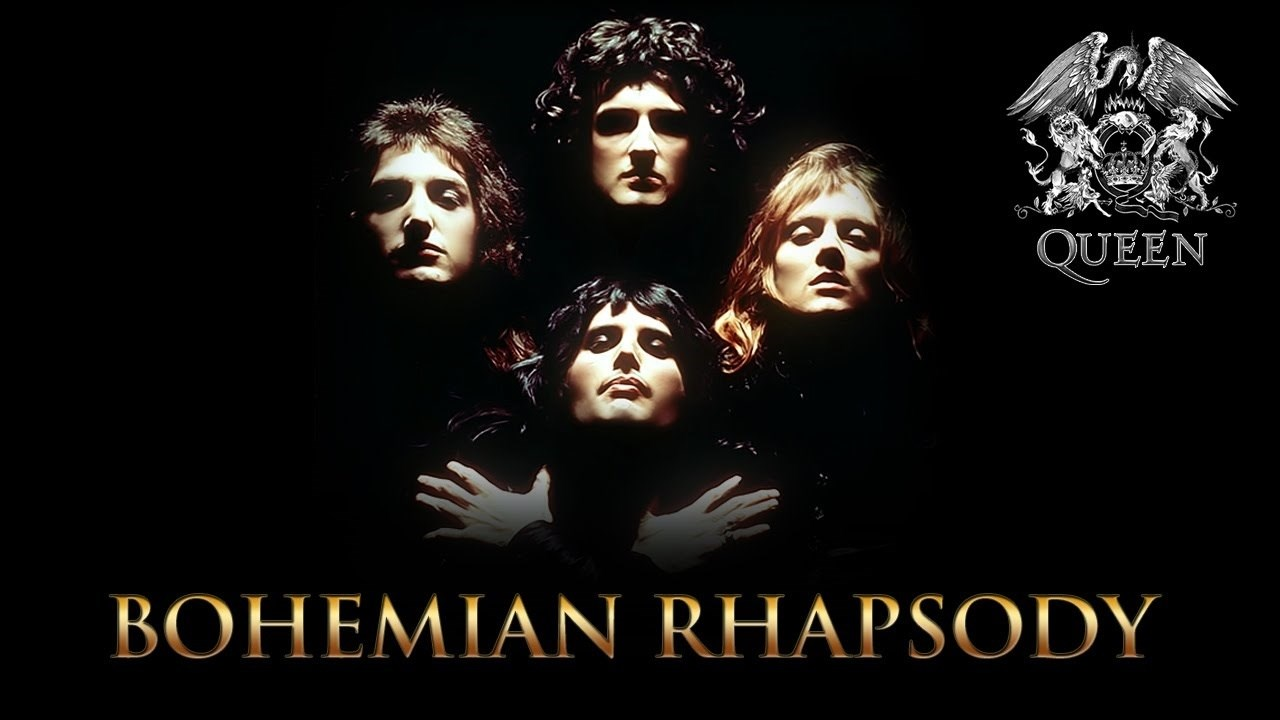
Is this real life, or is this just fantasy? No, it's not fantasy that the title of this song doesn't appear in the song once, even though the song is nearly 6 minutes long, and despite the fact that the 2018 biopic staring Rami Malek is also called Bohemian Rhapsody. "Bohemian," in this case, refers not to a region in the Czech Republic (or Czechia), but rather, a Bohemian lifestyle. This means free-spirited, artistic, and unconventional. It evokes a sense of rebellion and creative freedom, which fits Freddie Mercury’s persona and the song's dramatic flair. And a "rhapsody" is a musical term for a free flowing, emotionally expressive composition. It often lacks a strict structure and moves through contrasting moods, which is exactly what Queen’s song does, shifting from ballad to opera to hard rock. But, interestingly enough, the title came after the song was written. According to guitarist Brian May, they originally called it "Freddie’s Cowboy Song" or jokingly "Mama Killed a Man." But Freddie insisted on Bohemian Rhapsody, and the band just went with it. So, the title doesn’t explain the song; it amplifies its mystique.
Immigrant Song by Led Zeppelin (1970)
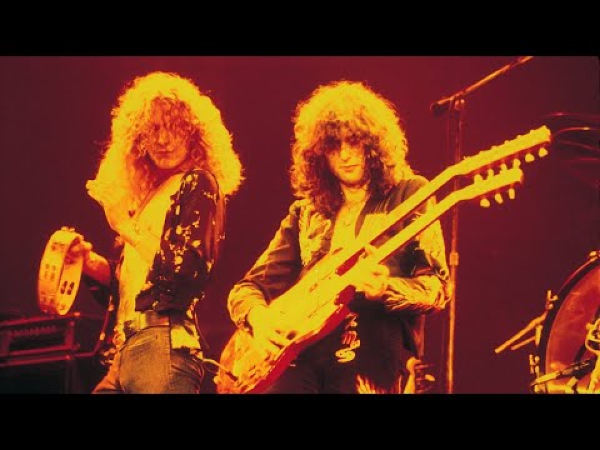
There are actually 25 songs by Led Zeppelin that omit their titles from the lyrics (including Immigrant Song), but let's focus on this one for now. The lyrics for this song take lots of inspiration from Viking journeys or immigrating to a new world from a "land of the ice and snow." This is a reference to Iceland, where the song was written during a tour by Led Zeppelin. Robert Plant was particularly interested in the Viking heritage of Iceland while visiting it. This is also one of only two songs on this list with the word “song” in the title.
Pompeii by Bastille (2013)
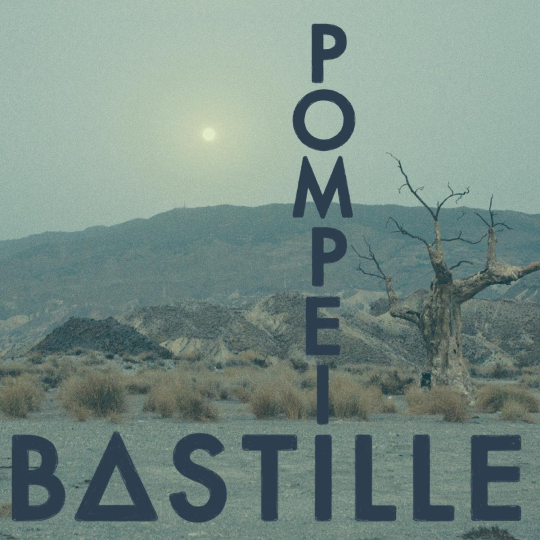
Named after the ancient Roman city of Pompeii which was destroyed by the eruption of Mt. Vesuvius on August 24, 79 CE, this song’s title is more metaphorical than historical. Bastille founder Dan Smith said that the song’s lyrics could be thought of as a conversation between two victims of the eruption, who have been frozen in time forever after being buried by pyroclastic flow. It’s a sobering euphemism for emotional stasis of being stuck and not being able to move forward (or move at all). Smith himself said that he was struck by “how boring it must have been after the event,” being trapped in one position for centuries.
Chop Suey! by System of a Down (2001)
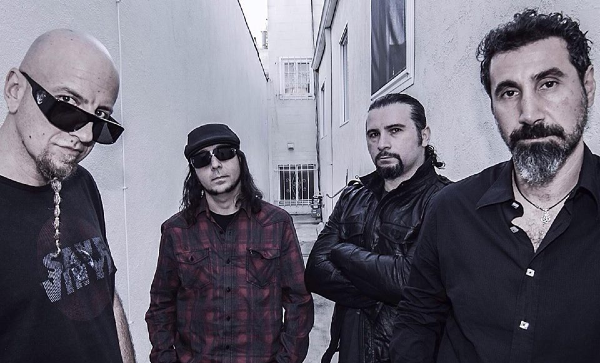
The title of this entry is a playful pun with a deeper layer. Originally, the band wanted to name the song "Suicide," as its lyrics explore heavy themes like mortality, struggle, and resilience. However, they decided to change it to "Chop Suey!" both to make the title less overtly provocative and as a clever twist. "Chop Suey!" represents a dish made by throwing together various ingredients-much like the song's dynamic blend of intense, contrasting elements and chaotic energy. Interestingly, “Chop Suey!” is also a fragment from the line in the song: "Father, into your hands I commend my spirit," referencing themes of sacrifice and redemption. The dual layers of meaning make it an iconic and thought-provoking track.
Enter Sandman by Metallica (1991)
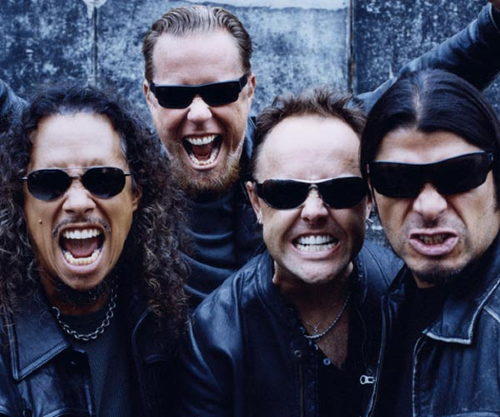
This song is named after the mythical figure "Sandman" from Western folklore, who is said to sprinkle sand in children's eyes to make them sleep, essentially symbolizing the arrival of dreams and sleep, which aligns with the song's theme of nightmares and the subconscious mind; Metallica uses this imagery to explore darker aspects of sleep and fear within the lyrics.
Clint Eastwood by Gorillaz (2001)
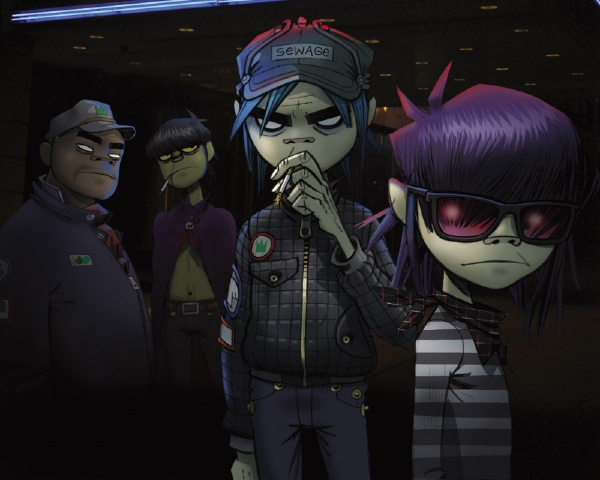
This one is named after the acclaimed Western actor because the song sounds similar to the theme from The Good, The Bad, and the Ugly. The spaghetti western sound, especially the use of the melodica, gives off a dusty and eerie gunslinger vibe, which made the name even more fitting. Despite this, the lyrics have nothing to do with Clint Eastwood. Eastwood’s name conjures images of stoicism, grit, and lone-wolf cool, which are all qualities that align with the song’s detached, introspective mood. It’s less about the man and more about the myth. In addition, the song helped jump start the concept of virtual bands, using animated characters instead of real-life musicians, which was a huge deal for 2001.
Tubthumping by Chumbawamba (1997)
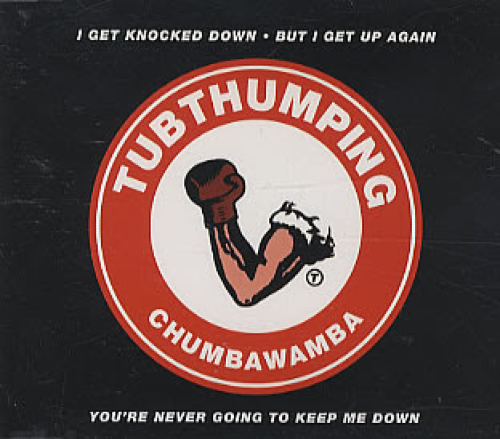
You might have thought of this one as being called “I Get Knocked Down” because those are the words that the chorus starts with. And yet, that’s not the case. In actual fact, the name "Tubthumping" comes from a British slang term for aggressive political protesting, referring to a person speaking loudly and forcefully, often from a makeshift platform. The band Chumbawamba used it for the song to represent the resilience of ordinary people facing hardship and bouncing back, just like the drunken neighbor in the anecdote that inspired the song.
Song 2 by Blur (1997)
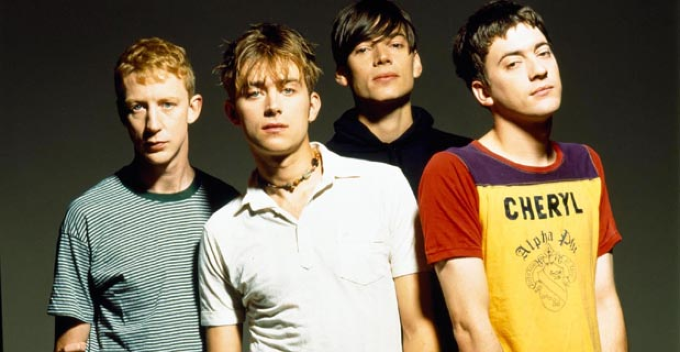
OK, this one should be pretty obvious. Many people likely Googled “woo-hoo” or something similar in an attempt to find this song. And, interestingly enough, there’s no Song 1. It's thought to be called Song 2 because it’s the second song on the LP. It might also hint at the song’s runtime, which is a hair over 2 minutes. This song is also Blur’s biggest US hit. And, interestingly enough, Damon Albarn, a member of Blur, later created the virtual band Gorillaz.
Smells Like Teen Spirit by Nirvana (1991)
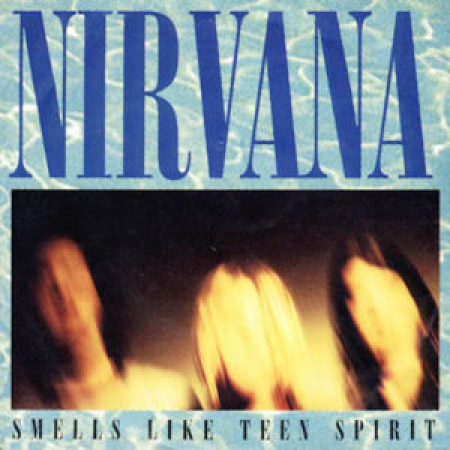
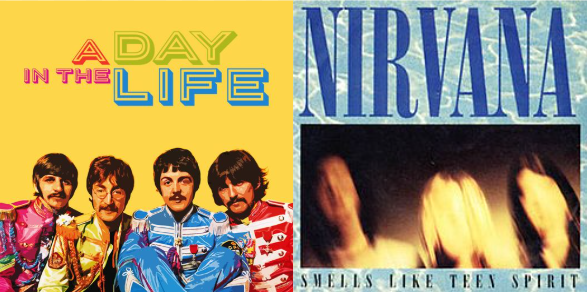
Probably the most famous song on this list, many will be surprised, like I was, to find out that “smells like teen spirit” is not in the words of this song at all. In fact, most of this song is unintelligible to the vast majority of listeners. Weird Al Yankovic made fun of this in his parody “Smells Like Nirvana.” Anyway, the song's title comes from a piece of graffiti. Yes, allow me to tell you the tale. Kurt Cobain's associate Kathleen Hanna, who is the lead singer of the punk band Bikini Kill, once spray-painted the phrase "Kurt smells like Teen Spirit" on a wall. Hanna was jokingly referring to the Teen Spirit deodorant that Cobain's then-girlfriend Tobi Vail wore. But Cobain misinterpreted this. To him, it seemed like a call to arms for youthful fans of the time. The phrase also captures the spirit of the song: a mix of rebellion, confusion, and apathy. He later said he was trying to write “the ultimate pop song,” inspired by the dynamic shifts of the Pixies (i.e. soft verses and loud choruses).
A Day in the Life by The Beatles (1967)
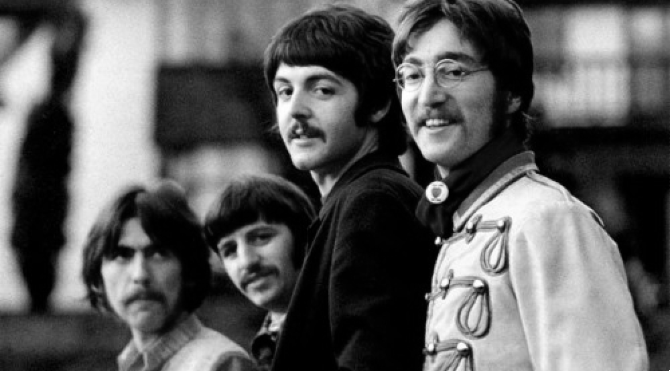
This one’s title reflects the song's structure and content; it's a snapshot of life as told through fragmented yet connected experiences. Written primarily by John Lennon and Paul McCartney, the song merges two distinct sections: Lennon's reflective narrative inspired by news stories and personal moments, and McCartney's breezy depiction of everyday routines. The title captures the essence of these vignettes, showcasing a tapestry of life's highs, lows, and the mundane in between. Its blend of storytelling, orchestral crescendos, and shifting perspectives feels like a day unfolding in its full complexity.
November 18th by Drake (2009)
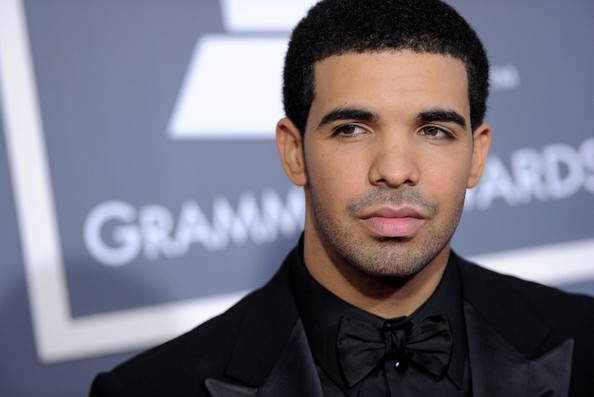
The title refers to the day when Drake met fellow rapper Lil Wayne in Houston, TX. That date is November 18, 2008. This meeting led to Drake signing on with Wayne’s label, which also helped launch Drake’s career. This meeting helped to make Drake (whose real name is Aubrey Drake Graham) into a figure in hip-hop. The song itself is drenched in Houston’s musical DNA. It samples DJ Screw’s chopped-and-screwed style and interpolates lyrics from Lil’ Keke’s “Pimp Tha Pen,” paying homage to the city’s iconic sound. Lyrically, Drake blends vulnerability and bravado, reflecting on relationships, fame, and the emotional weight of that transitional moment in his life. So, the song's title is not just a date; it's a footnote in the origin story of Drake's rise as an artist in Toronto.
Adam's Song by Blink-182 (1999)
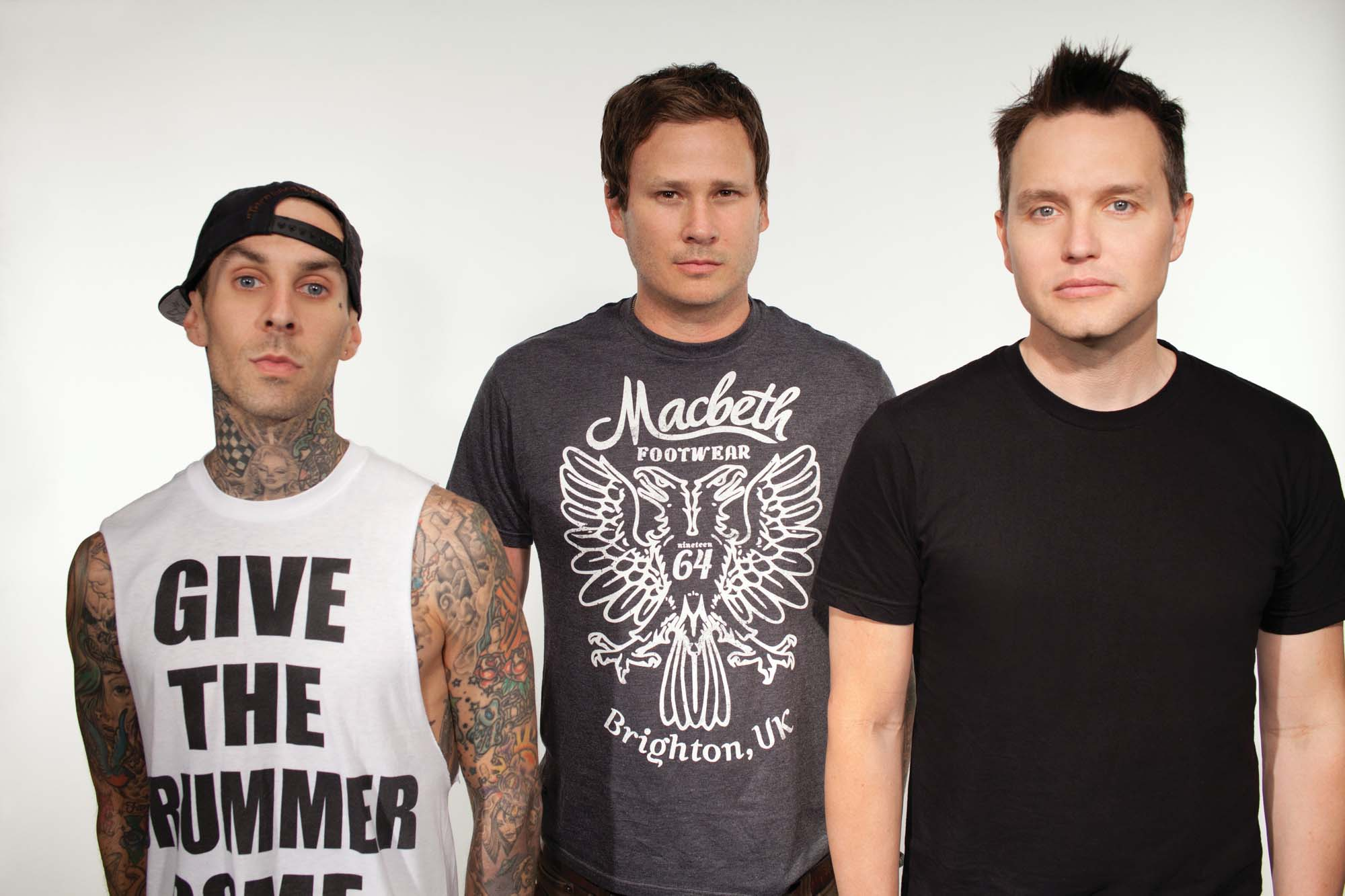
The third single from the hit album Enema of the State in the fall of the year 2000 addresses issues of teen angst, depression, and other disorders. The song is also written in the style of a suicide note, Bassist and vocalist Mark Hoppus told Rolling Stone magazine that the titular "Adam" is not a real person, but a stand-in for Hoppus' loneliness while Blink-182 was on tour. "Adam" is meant to be a character for the listener to relate to as the song evolves into hope from despair, which gives the song a more personal face to a storyline that lots of us can relate to.
Viva La Vida by Coldplay (2008)
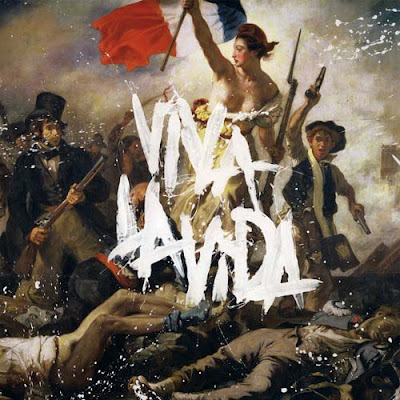
Like the previously mentioned Led Zeppelin, Coldplay has lots of songs that omit their titles from the lyrics (over 35, to be somewhat exact). Viva La Vida is one of Coldplay's biggest hits, and its title roughly translates to "Long Live Life." It tells of a ruler who finds himself "sweeping the streets he used to own" and reminiscing of his days as a king. The song was also controversial, despite its success, due in part to artists such as Joe Satriani and Yusuf Islam coming forward to say that Viva La Vida had similarities to their songs. The claims weren't successful in tarnishing Viva La Vida, however, and to this day, Viva La Vida is still a regular song on the radio.
There are certainly more songs that weren't mentioned on this list, but is there one that you had in mind? Leave a comment!
Sources: Ultimate Classic Rock, Flypaper
 Michael Gallucci
https://flypaper.soundfly.com/write/10-famous-song-titles-that-never-appear-lyrically-in-the-song/