Brennan Monorails: What They Were and Why They Failed
A one-rail train was once a possibility. Here’s why it didn’t take off.

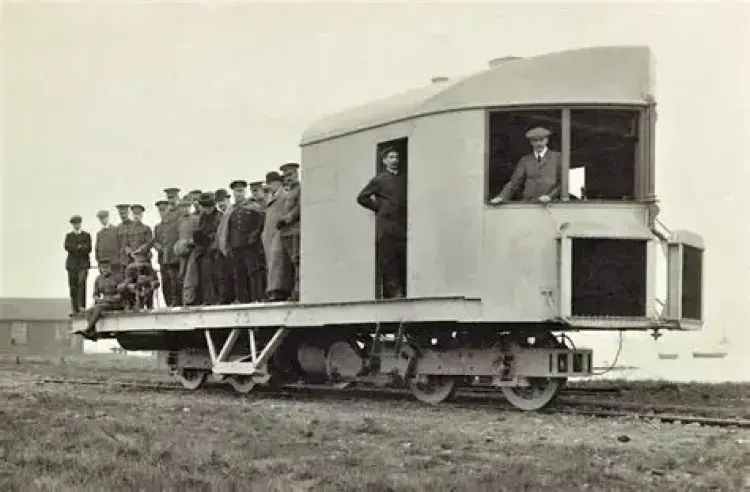
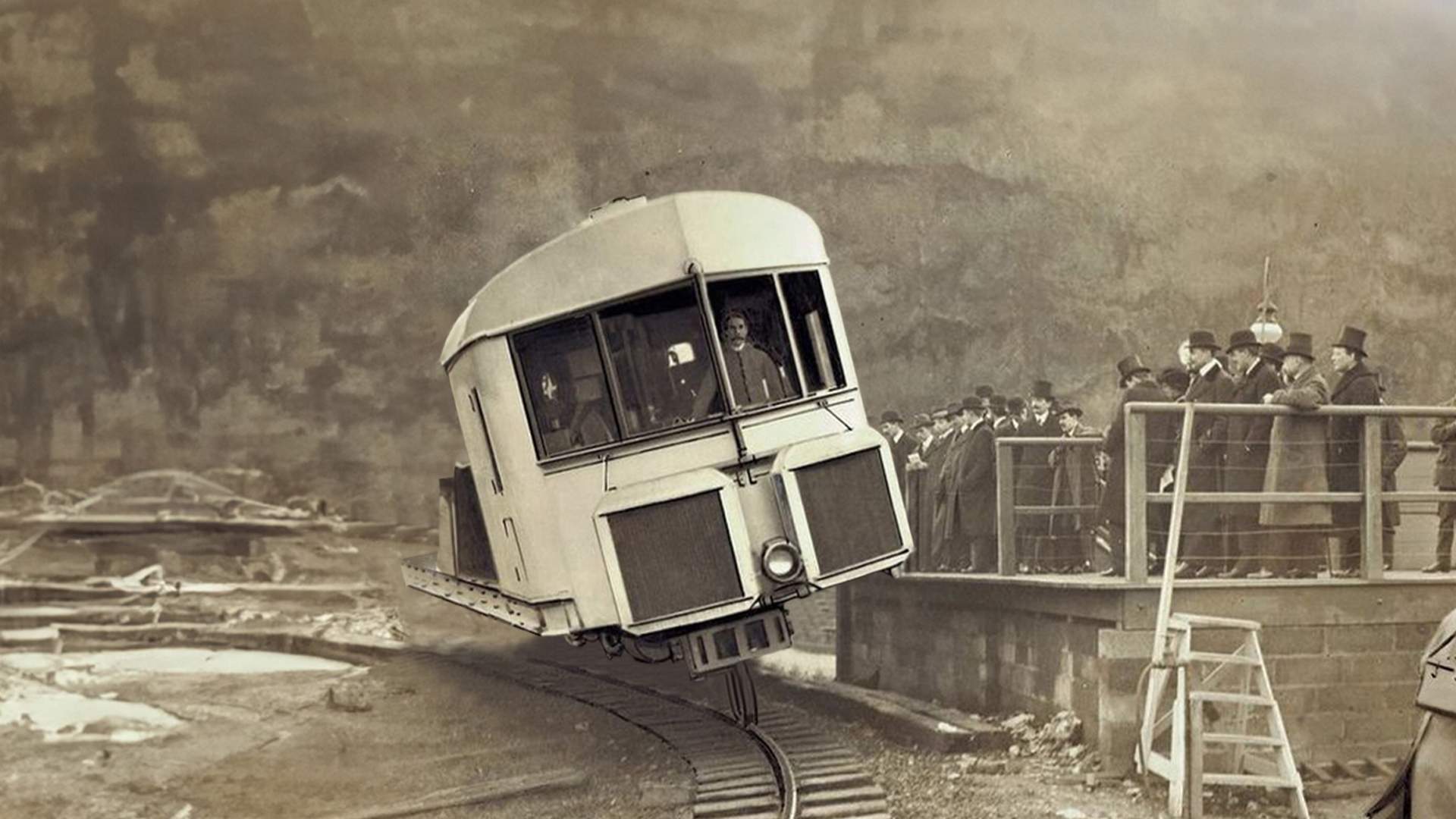
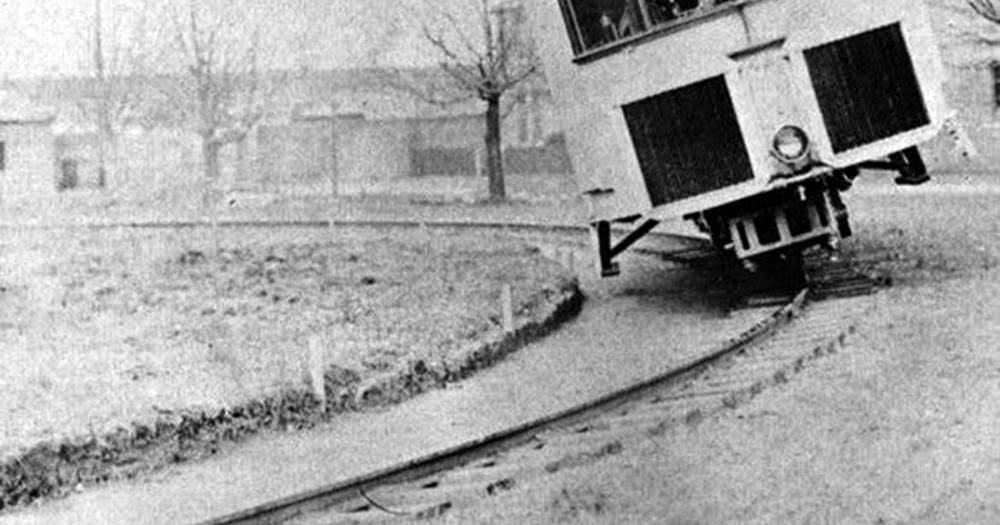
While we may think of monorails as being a way of the future, we may forget that they were invented in the 1820s. Yes, the 1820s. Not the 1920s. Nowadays, when we think of them, we usually think of Disney theme parks and, to a certain extent, Detroit, Michigan. But alongside conventional monorails, a similar contraption was designed in 1903 and unveiled in 1910 that could seemingly break the laws of physics by balancing on only one train rail. Not only that, but it could also balance while at rest. Even more astonishing, when force was applied to the side of the monorail, it would not topple over but would push back against the force. On top of all this, when making a turn, the monorail wouldn't go flying off the rails, but it would lean into the turn, like a bicycle. How did this design come to fruition? How did it work? And why did this invention never fully take off? Well, let's dive right into it.
We begin with Irish-born Australian inventor Louis Brennan. Born in 1852 in Castlebar, Ireland, Brennan first filed a patent for a gyroscope-like mechanism in 1903. Before going any further, we should learn what exactly a gyroscope is and how it applies here. First, a disc spun very quickly, and its angular momentum tries to keep it stable. If you try tilting it, the gyroscope will resist the force and will return to its vertical position once released. This is called precession. Brennan saw this and knew it would be the way to keep his invention balanced.
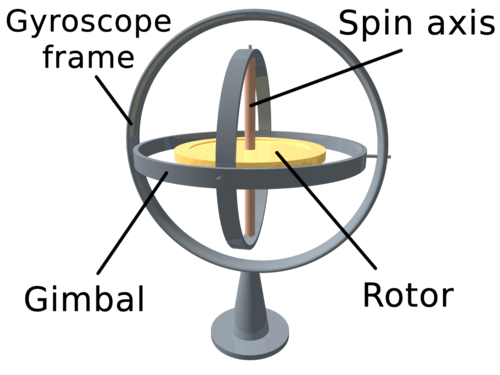
Brennan took a small gyroscope and placed it inside a miniature version of his invention. By using an electric motor to make the gyroscope spin, the gyroscope maintained the device's balance due to the process of precession. This test was successful until the monorail tried to turn a corner. The monorail fell off the tracks during the first test, and that's because, when the monorail tried to tilt, the gyroscope stayed in the forward position, causing the monorail to lose balance. To solve this problem, Brennan added another gyroscope to the monorail and added a gear which would cause one gyroscope to lean the opposite direction of the other gyroscope. During turns, the gyroscopes wanted to maintain the forward position, but since the gear prevented this, the monorail stayed on the tracks rather than fall off. This test was now a full success, and with £2,000 in funding from different sources, a larger monorail was made in 1907, though this one was still not full-size.
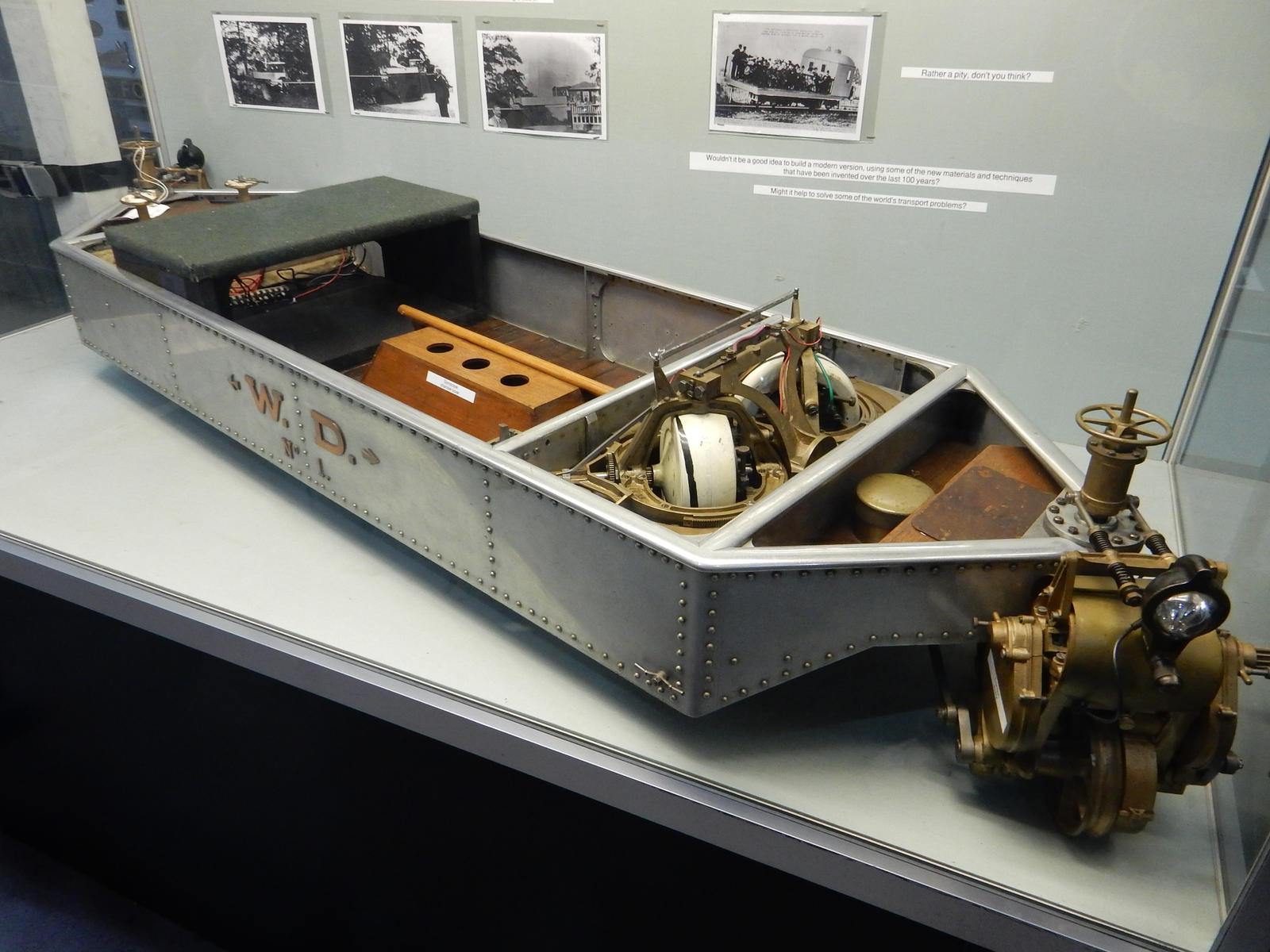
This larger miniature was 1.82 meters (6 ft) across and 0.45 meters (1.5 ft) tall, and was kept balanced by two gyroscopes measuring 12.7 cm (5 in) in diameter. Some gas piping was laid out on wooden slippers in Brennan's own backyard in Gillingham, England. In an effort to demonstrate the efficiency of his invention handling turns and slopes, the track was purposefully kept crooked and included sharp corners. Part of this track also included a 21.3 meter (70 ft) wire rope bridge suspended 1.82 meters (6 ft) above the ground. Over this, Brennan sent the larger model carrying his daughter, and made the model stop in the middle of the wire bridge to further demonstrate the model's balance.
The demonstration in 1907 was also a success, but investors still weren't too keen on the design. The British army was reluctant on investing in the project, but the India Office gave £6,000 towards the project, followed by £5,000 from the Durbar of Kashmir, who saw the monorail as a more efficient way of traveling in the North West Frontier region, a part of modern-day Pakistan. With an additional £2,000 from the India Office, a full-size monorail was 12 meters (39.3 ft) long and weighed 22 tons, including two gyroscopes which were 1 meter (3 ft) in diameter and weighed 750 kg each, and both gyroscopes spun at 3,500 RPM. And unlike the previous two models, this full-size monorail used a 20 horsepower gasoline engine. But one problem pertained to the monorail's weight: gravity. The monorail would lean a certain way, and the heavy gyroscopes couldn't counteract this lean quickly enough. To fix this new problem, Brennan put the gyroscopes inside vacuum-sealed casings and put the gyroscopes on a gimbal. With a few extra modifications, the gyroscopes could now correct the monorail's balance far quicker. The full-size monorail was demonstrated on October 15, 1909, carrying 32 people around a track built near the factory where the monorail was built.
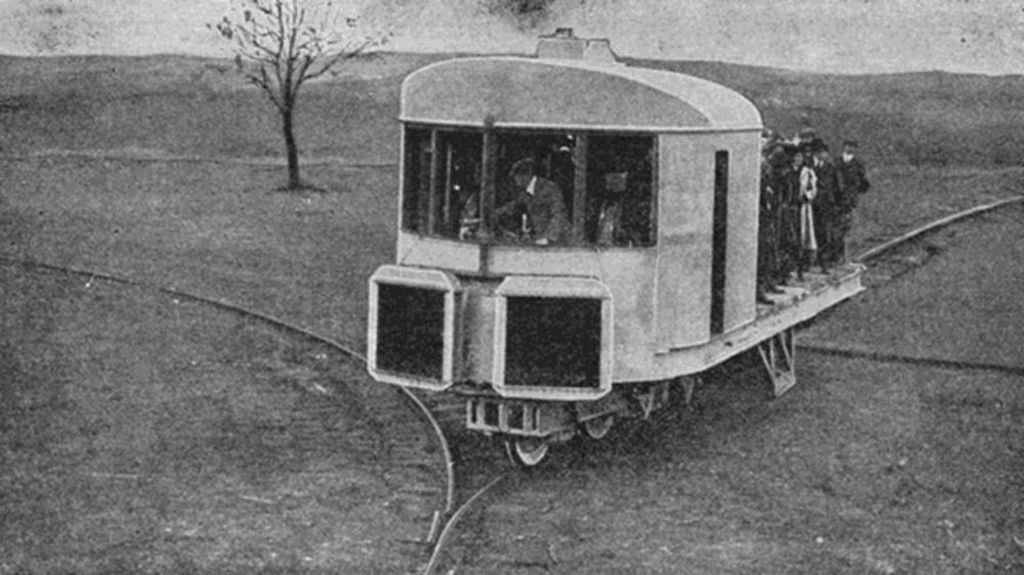
The full-size monorail was later shown at the Japan-British Exhibition at the White City district of London in 1910. The monorail carried 50 passengers around a circular track at 32 km/h (20 mph). One of the passengers was Winston Churchill, and even the British prime minister at the time, Herbert Asquith, volunteered to ride it. Thanks in part to this, the Brennan monorail won the grand prize. Despite that, investors were not confident in the design, as two-railed trains were already well-established by the early 20th century, in addition to every train carriage needing its own gyroscope to stay balanced. Investors withdrew from the project, and the Brennan monorail project was abandoned. Brennan was forced to sell his house and return to his normal work, but not all hope was lost. In 1916, Brennan was involved in top-secret work for the Ministry of Munitions, and after World War I, Brennan persuaded the Air Ministry to fund another ambition of his.
In his later years, Brennan would go on to invent the experimental Brennan Helicopter, which was never formally named, in 1921. He had received funding from the Air Ministry and the British Ministry of Munitions, and from May of 1924 to 1926, the helicopter made over 70 flights, each averaging around 3 minutes and consisting of short hovers and horizontal flight, but that came to a halt after a demonstration flight crashed, so the ministries stopped funding the project. Brennan himself would die on January 17, 1932, 11 days before his 80th birthday, after being hit by a car in Montreux, Switzerland.
Would you ride in one of these monorails? Or would you stick with the Disneyland ones? Leave a comment!
Sources: Primal Space, Amusing Planet, Primal Nebula, Vintage Everyday
 Kaushik Patowary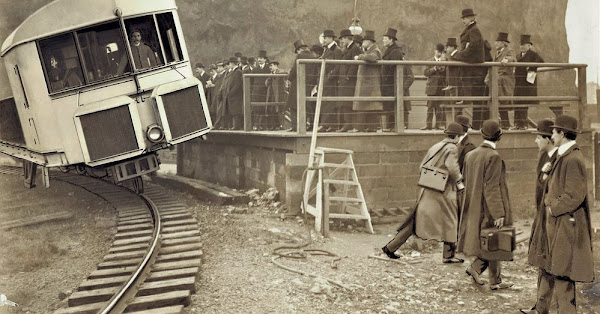
 Ewan Cunningham