What Did Back to the Future Part II (1989) Get Right About 2015?
The 2010s in the 80s? What could they have been right about?

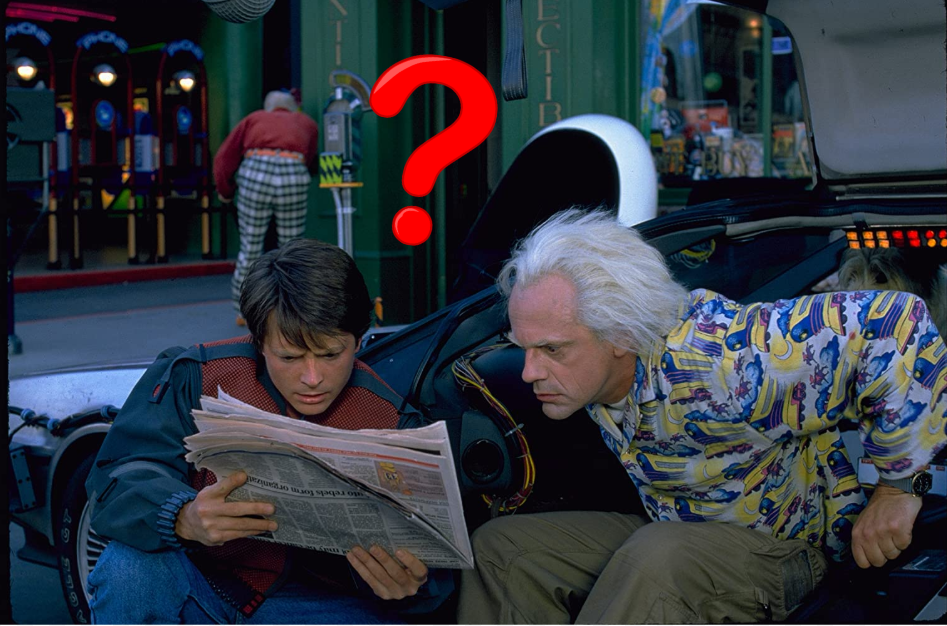
No one can accurately predict the future. And as we’ve seen, several things we thought would be commonplace by October 21, 2015, were, in fact, not. There’s a 26-year gap between 1989 and 2015. What changed in that frame of time? In our own timeline, tons of things changed in that time. We may not have 15 sequels to Jaws, but let’s see what changed in the Back to the Future universe that also changed in our own universe.
Flying Cars (Sort of)
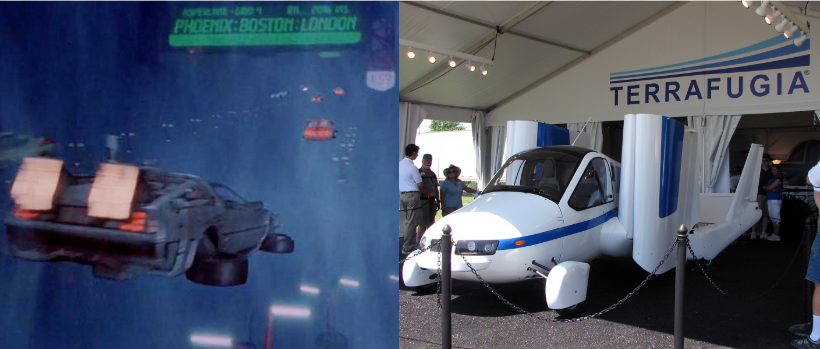
The concept of a flying car has been around since the 1930s. Since then, flying cars have been thought of as a way of the future, even though they will likely never exist commercially. While not as commonplace as predicted, we’re going to count this one because, believe it or not, several flying cars exist in real life. To name a few, there’s the Terrafugia Transition (right) and the AeroMobil 3.0, but there are no flying DeLoreans, like at the end of the first movie and the beginning of the second movie. Moreover, flying cars are nowhere near as common as they are in Back to the Future Part II, since hover conversions for cars aren't a thing and likely will never be.
Video Calls
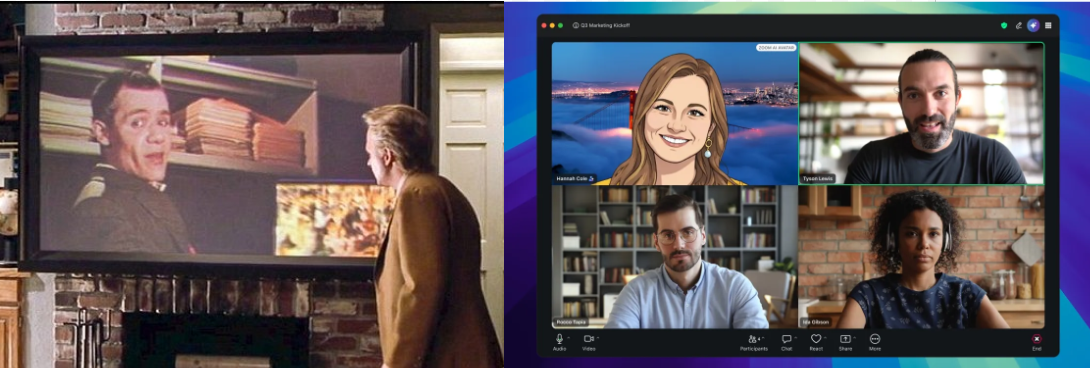
While the names Skype and Zoom (or even the modern internet) weren't predicted, the movie did accurately predict video chats themselves. When Jennifer hides in the closet, she sees future Marty on a video call with a businessman called Douglas J. Needles (who is played by Michael "Flea" Balzary of the Red Hot Chili Peppers, by the way). Even though the use of video calls (especially Zoom) skyrocketed during the COVID-19 pandemic in 2020, video calls certainly existed in 2015. It's also worth noting that Needles' screen displays his name and interests at the bottom of the screen, reminiscent of information that can be found descriptors of phone and digital phone books for video calling.
Flat-Screen TVs
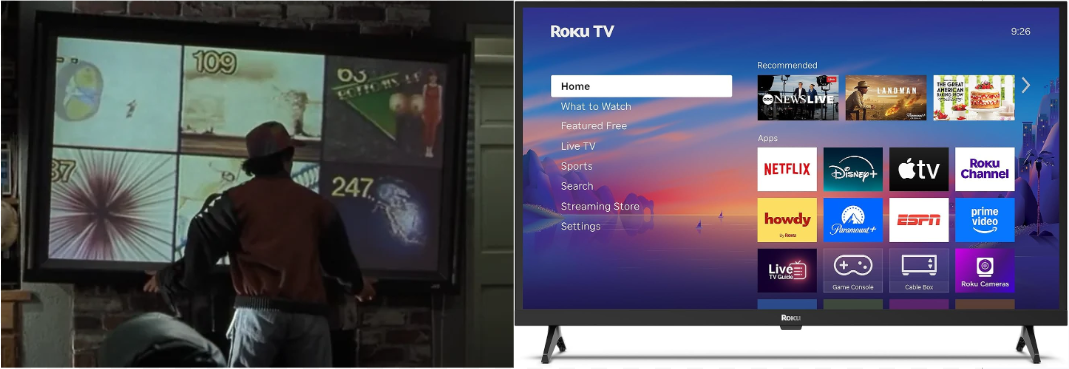
In the 80s (and until the 2000s), most household television sets had large backs and a slightly curved screen. That may have sounded like pure science fiction in 1989, but by 1997, that changed. That year, the first flat-screen television sets went on sale, and since then, flat-screens have taken up entire walls in homes and have become popular with teenagers (assuming they weren't before). And let's not forget the hundreds of channels available now, as well as streaming services. It may also be safe to say that, even though most TVs nowadays don't display multiple channels at once, the number of people watching TV while scrolling through their smartphone or similar device is likely staggering.
Nostalgia for the 1980s
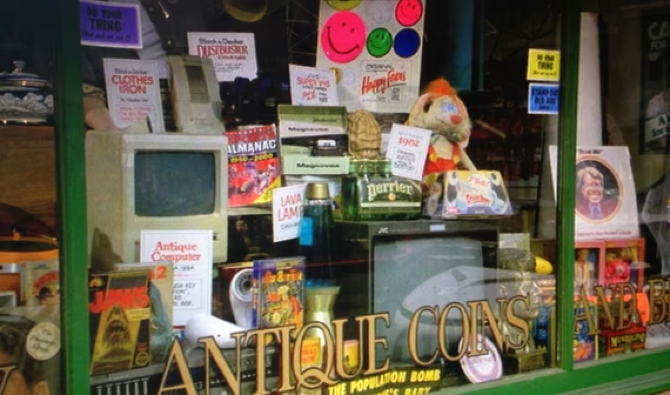
As if the Cafe 80s wasn't enough, are you ready to feel old? Many things that were around in the 1980s, like the Apple Macintosh 128K and a VHS copy of Jaws (1975), found their way into an antique shop in Back to the Future's version of 2015. Is that really too far off from the collectibles craze? There's also movie stars from that decade like Bill Murray and Matthew Broderick who made appearances in Super Bowl commercials, bringing even more nostalgia for that decade to the table. And that's not counting the Netflix series Stranger Things, which exploited nostalgia for its narrative and premiered only a year after 2015.
Hoverboards
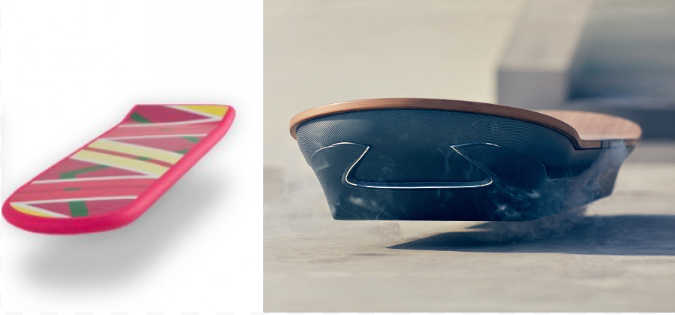
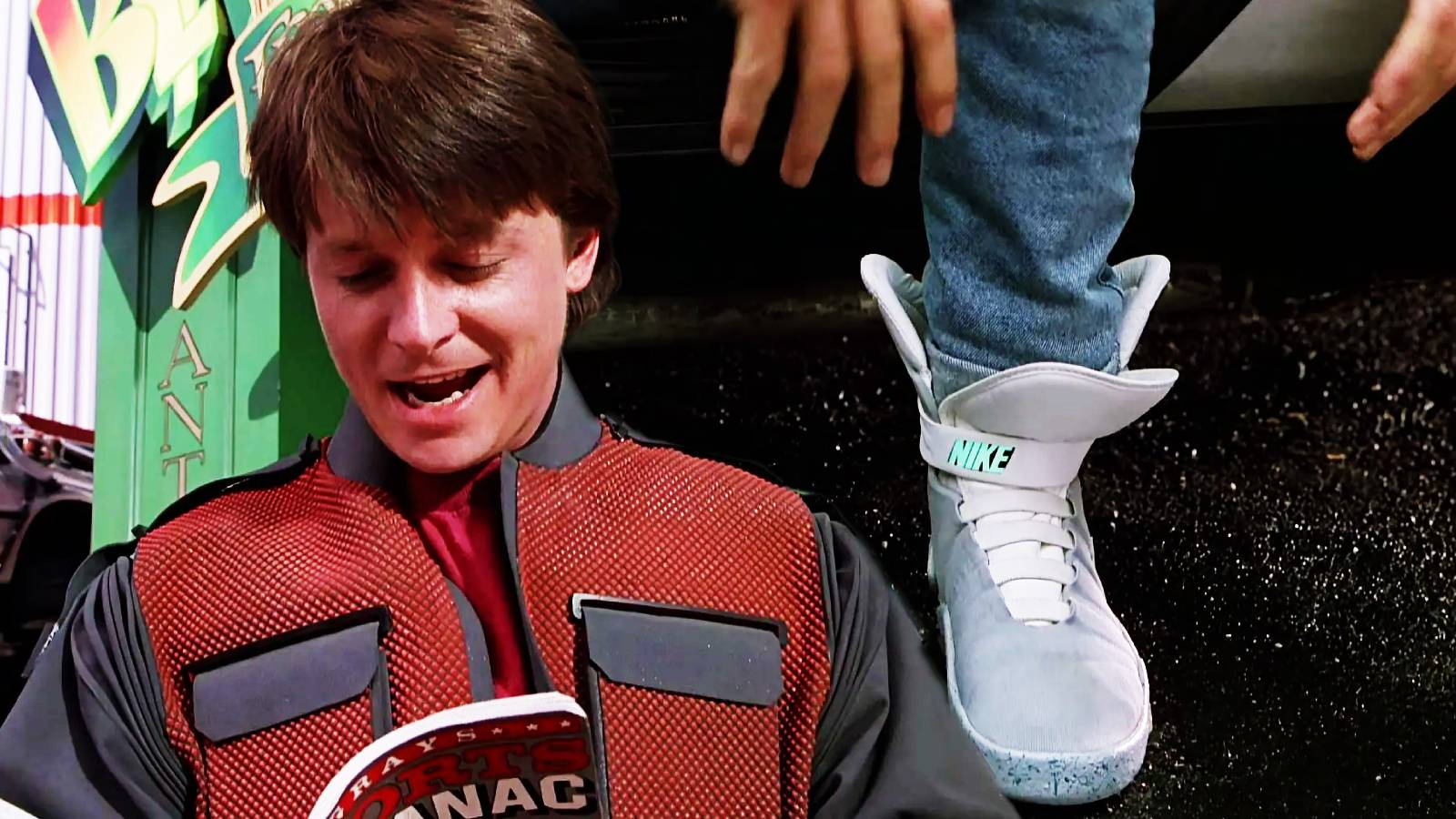
No, not those two-wheeled self-balancing scooter thingies. Those are often referred to as swagways. I’m talking about an actual hoverboard, like the one pictured above. Made by company Hendo and demonstrated by Tony Hawk in 2014, one year before 2015, this hoverboard certainly does hover, but it can only do so above a special track. Another real-life hoverboard (pictured) was unveiled by Lexus on August 5, 2015, two months before the date, although neither of these hoverboards are for public sale. Even today (2026, as of this article's writing), no real-life hoverboard is for public sale.
Restaurants Without Waiters
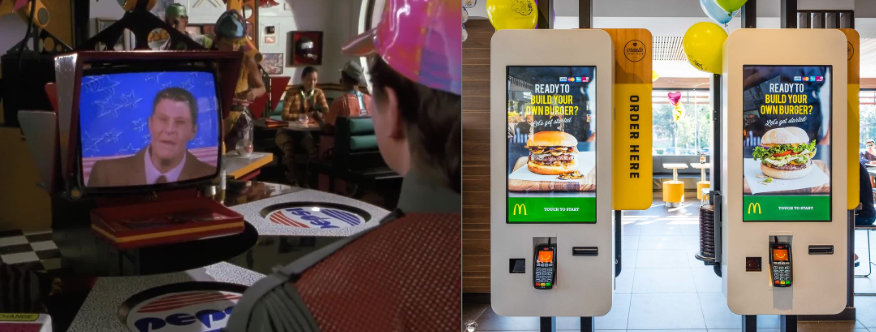
At the Cafe 80s, which was Lou's Cafe in 1955, Marty orders a Pepsi from a TV screen, which isn’t all that far off from the digital menus you'll find at places like McDonald's or Red Robin. The main difference is that, even with tablets on our tables, human waiters are still a mainstay. Virtual waiters that take the shape of figures from days gone by aren't a thing, but automation has certainly made its presence in 21st century restaurants.
Hands-Free Video Games
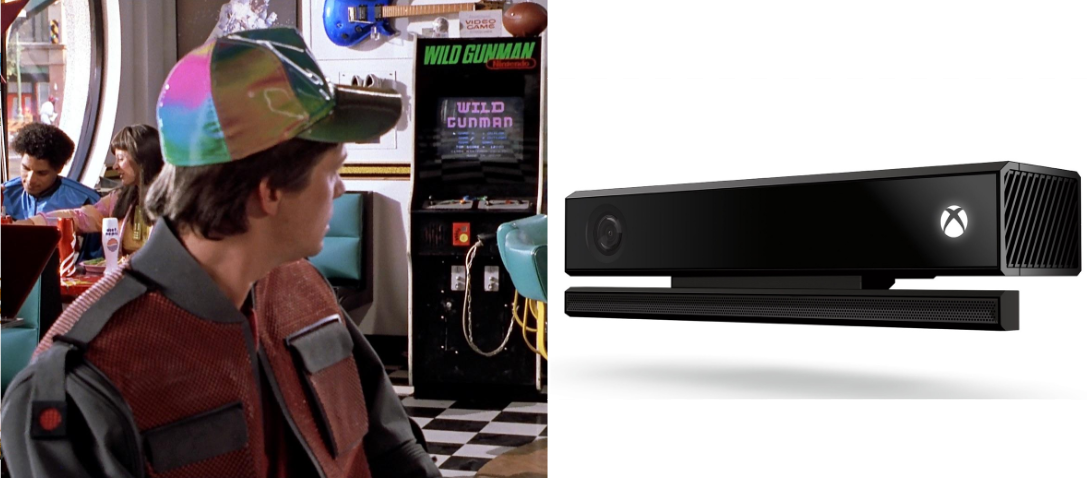
Remember the scene where two kids in the Cafe 80s (one of which is played by an 8-year-old Elijah Wood) say “you have to use your hands? That’s like a baby’s toy." Well, since September 15, 2010, we have had the PlayStation Move, and since November 4 of the same year, we have the Xbox 360 Kinect, which are video game consoles that doesn't require your hands to play. And 8 years after Back to the Future Part II's future scenes take place, the Nex Playground was released.
Voice-Activated Technology
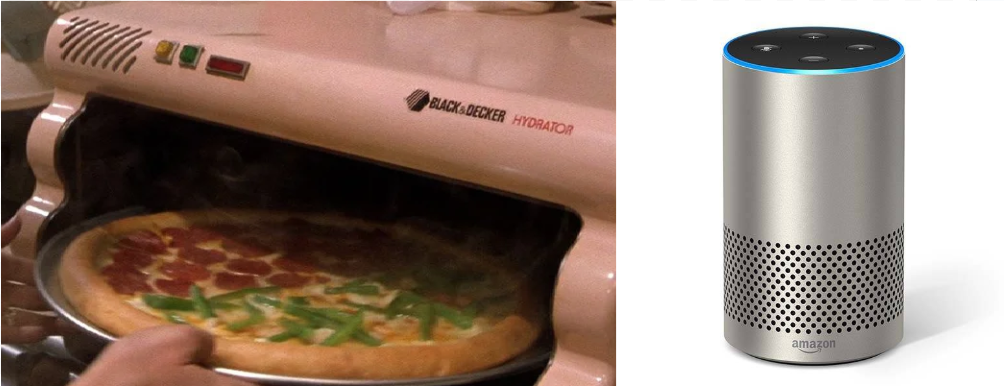
We don’t have hydrators that can make a pizza bigger, but we do have devices you can talk to. Apple Siri, which was released on October 4, 2011, and Amazon Alexa, which was released on November 6, 2014, meaning both of these were available by 2015. It should also be said that the scene where the police drop Jennifer Parker off at the future McFly home features lights that turn on and off based on vocal commands, something that can be done with applications like Apple Home or Amazon Alexa, assuming you have everything set up right.
Smart Clothing and Wearable Technology
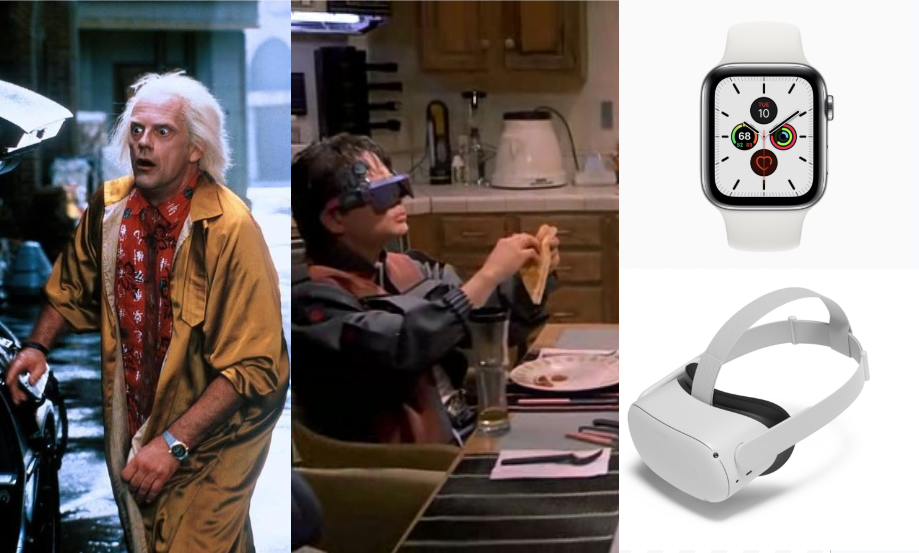
In the sequel, Doc Brown wears a smartwatch rather than the lab coat from the first movie. And that's just the start of the frankly accurate prediction that smart technology that you can wear is all the rage. For example, one of Marty’s future kids is wearing glasses that look surprisingly like a Virtual Reality headset. Even more accurate is the people paying more attention to the technology than those around the table. But getting back to what real life applications exist, the Apple Watch was released on April 24, 2015, and it's very true to say that 2015 was a landmark year for virtual reality. That year, the HTC Vive and the consumer prototype for the Oculus Rift made their debut. There was also a surge in virtual reality content creation that same year, such as Oculus Story Studio producing its first immersive film, Lost, which was meant to be seen using virtual reality gear.
Biometric Home Security
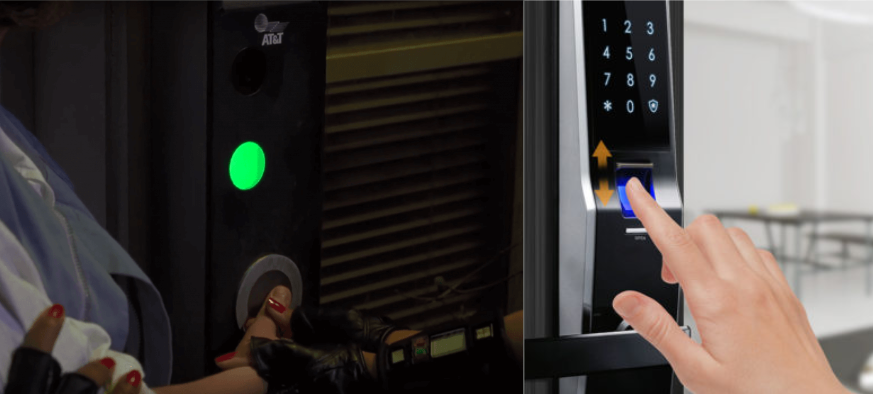
The McFly home of 2015 has a fingerprint scanner that determines who enters the home rather than a doorknob. This isn't all that different from home door systems that won't unlock unless the right fingerprint is given. Nowadays, fingerprint biometrics are used in certain theme parks (like lockers and whatnot) and in some government buildings, but they are occasionally used in high-end residential settings, like gated communities.
The Chicago Cubs Winning the World Series
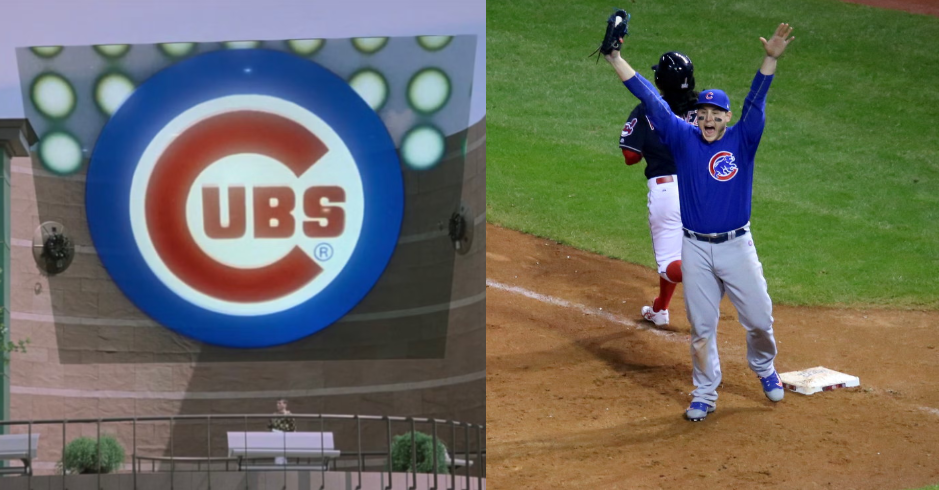
The Chicago Cubs didn’t win the World Series in 2015, but they did win in 2016, which is close enough to count. Even more surprising, the last time they won the world series before 2016 was in 1908, (i.e. when the Ottoman Empire still existed). It's also worth noting that screenwriter Bob Gale said that the Cubs winning a championship was a laughable concept at the time of Back to the Future Part II's release, and the prediction was made to get Marty into sports betting. The filmmakers would later joke that the 1994-1995 MLB strike threw off the space-time continuum and delayed the Cubs' win by 1 year. And that's not the only sports prediction. It was predicted that a team from Miami would play against the Cubs, even though Miami didn't have an official baseball team at the time. That changed by 1991, however, with the inception of the Miami Marlins.
Surf Vietnam
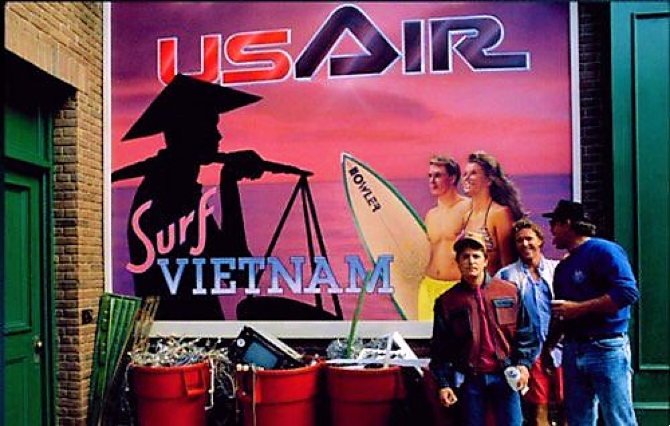
This one is an easy-to-miss background detail, so you probably didn’t notice it the first time (unless you find the picture shown above, which doesn't appear in the movie). In one shot, Doc and Marty are standing in front of a poster that reads “Surf Vietnam.” The Vietnam War was pretty recent in the 1980s, and Vietnam was not exactly high on people’s vacation lists in 1989. But nowadays, Da Nang, Vietnam is known as Surf City, given its mellow, sandy beaches, specifically My Khe beach, which has a sandy bottom and no dangerous rocks or reefs.
Drone Reporters
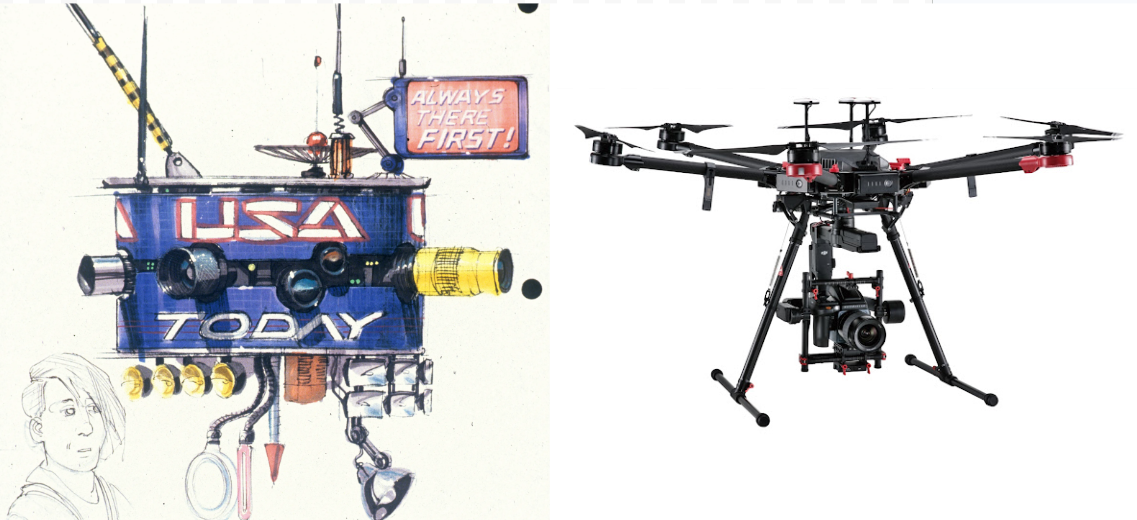
Drones are commonly used by civilians, the military, and media companies alike. And that has been the case since before 2015. Following Marty's hoverboard chase and the subsequent courthouse crash, a USA Today drone (illustrated at the right) is seen taking photos of the scene. Aerial photography has exploded in popularity with social media users and photographers, but drones aren't exactly used to walk dogs, as seen in the background at one point. And despite speculation and hype, drones still haven't been used for delivery yet. Of course, technology is constantly evolving, and it may only be a matter of time before something else entirely becomes mainstream, albeit happening well-after the real 2015.
Did you expect an 80s movie to accurately predict these things? Leave a comment!
Sources: The Guardian, CBR, ScreenRant
 Catherine Shoard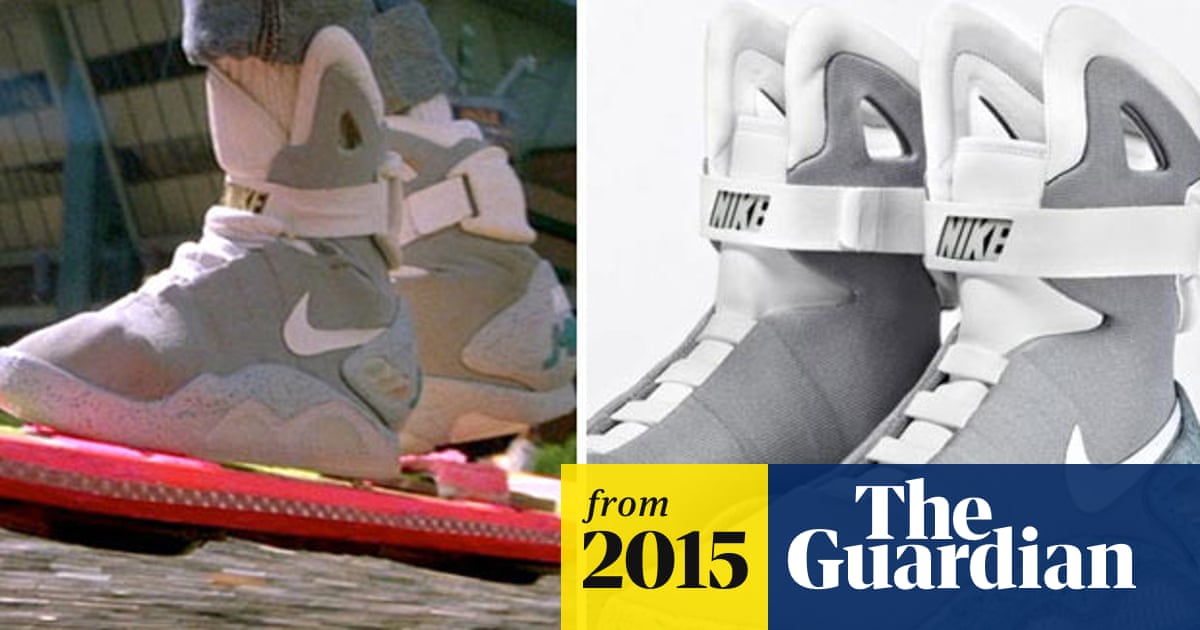
 Sean Bassett and Robert Vaux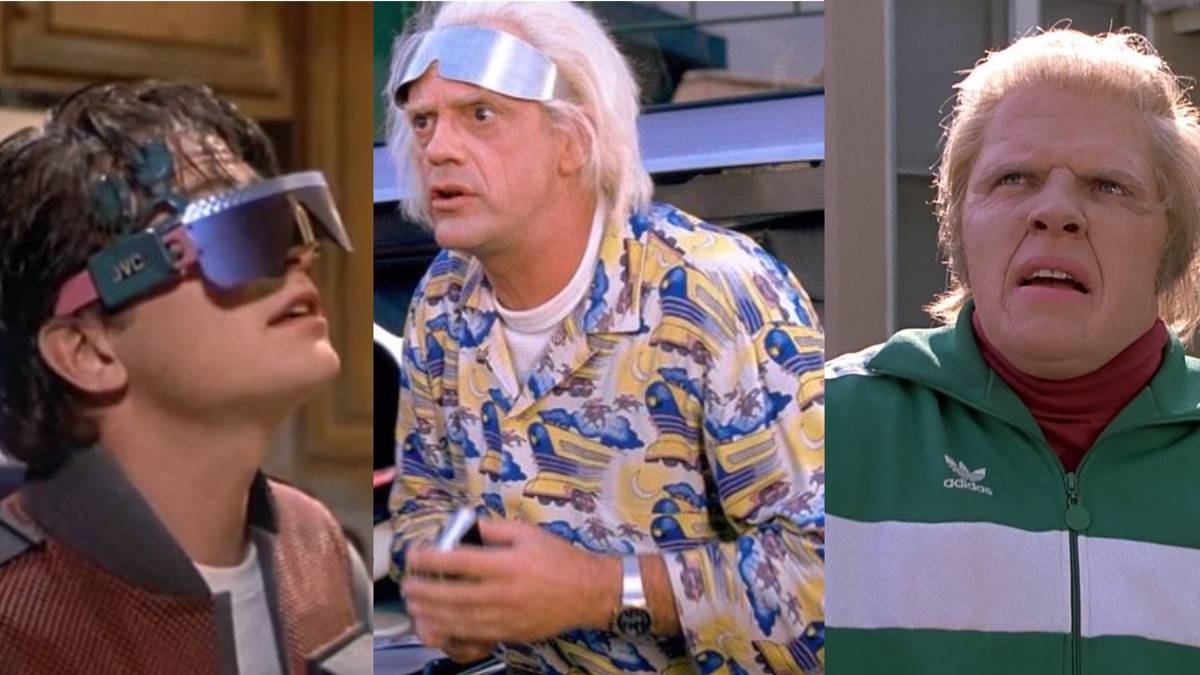
 Mark Donaldson and Amanda Bruce