It's Not Just You. Time Has Been Weird Since the Pandemic
Has time been going by faster since 2020? Yes, here’s why it feels that way.
As of this article's writing, the COVID-19 pandemic was over 6 years ago. And in December of 2026, it will be 7 years since the COVID-19 virus was first detected in Wuhan, China. Have you ever felt like time has been going by faster than usual since 2020? If so, you're not alone. What we may have felt before is time going by at a seemingly normal rate of speed, albeit with a few years going by fast and others going by slower. A day feels the same, and thirty or thirty-one of those make a month. But since 2020, months have felt like they’re going by like days. And there are reasons that may be. Today, we will look into them.
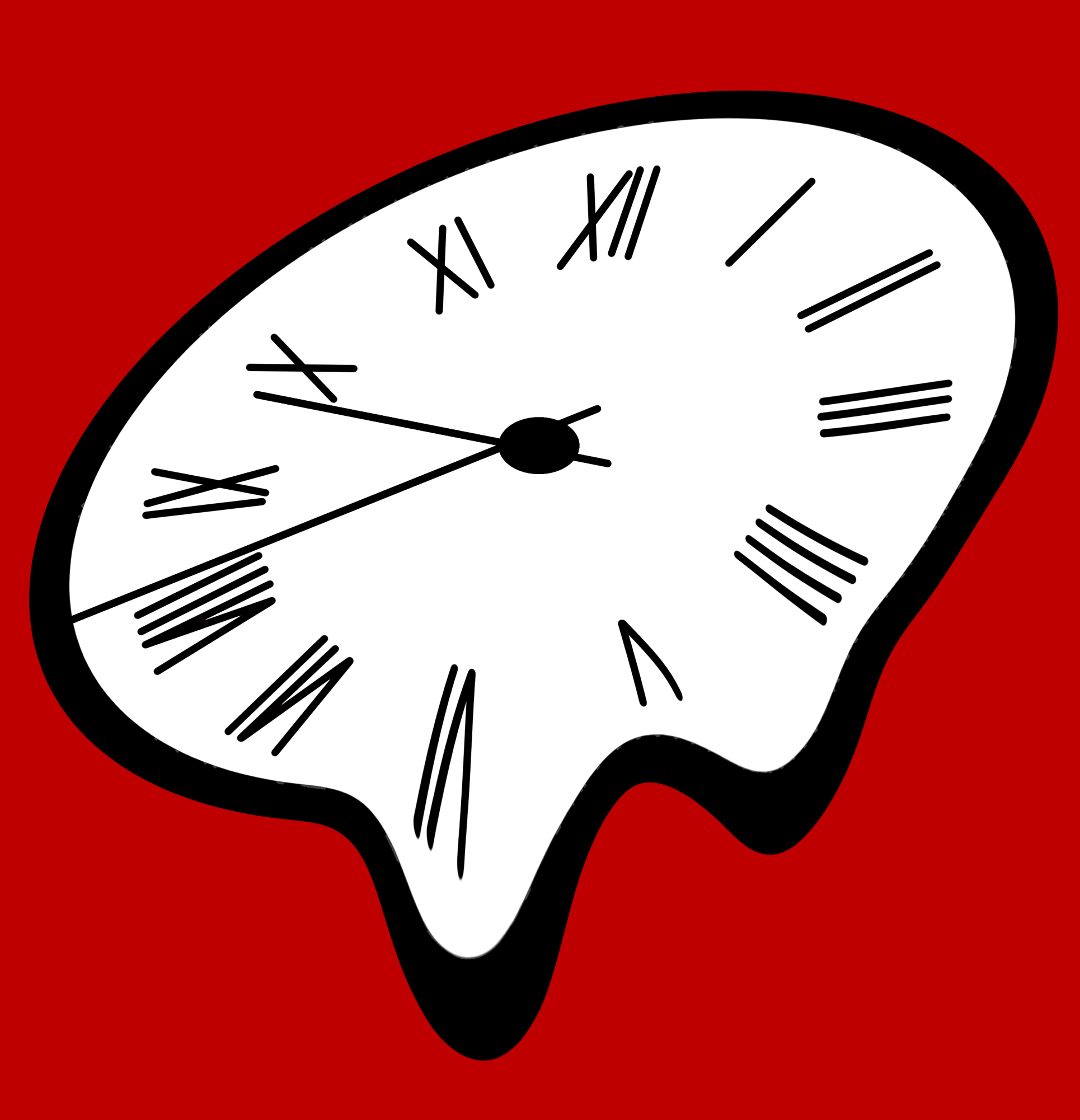
Whether 2019 feels like last year or at least a decade ago (for me, it's somehow a mix of both), that feeling is determined differently by everyone. Regardless of how one feels in this aspect, there's no denying that lots of people feel, in one way or another, that time has accelerated at a rate that some may call alarming. This effect has been coined the 2020 Effect, and there is documentation around time disorientation during times of disaster or crisis.
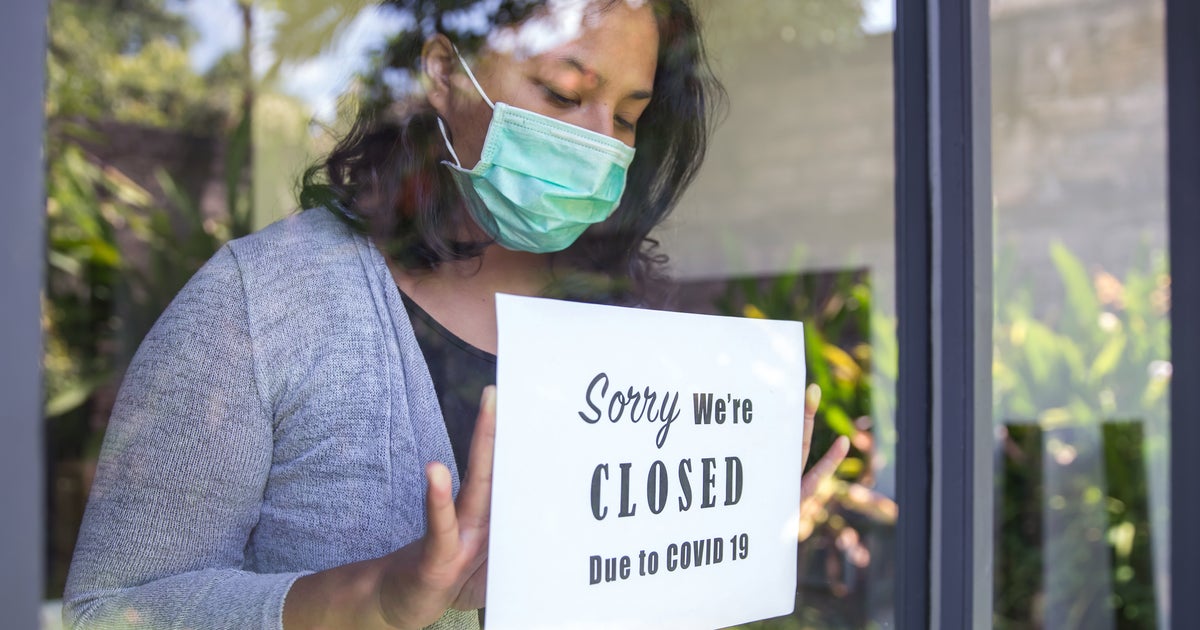
The first wave of lockdowns took place at different times in different places around the world, but they all came into full effect by mid-March of 2020, and it wouldn't be until August of that year, at the earliest, that the lockdowns even began to lift in the slightest. While the pandemic hasn't officially been declared over, since the virus will evolve over time, many countries have contained it as an endemic virus, meaning different places vary on levels of restrictions and public health measures in place. The public health emergency of international concern ended in May of 2023, but some countries in Asia, particularly Japan, still have either mask mandates or their citizens voluntarily continue wearing masks.
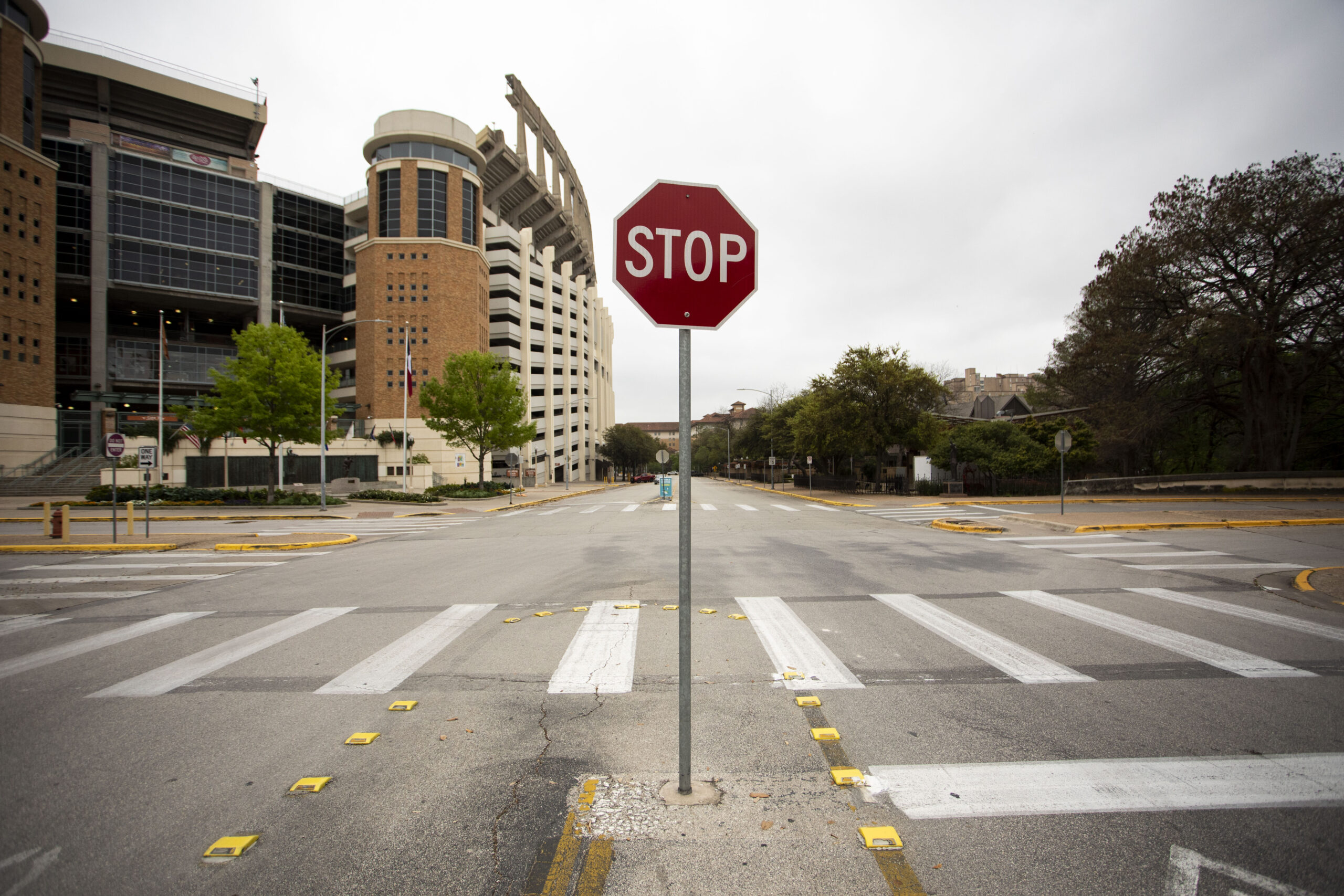
In the 2020 Effect, psychologists theorized that the lockdowns in March of 2020 (which extended into at least September of that year) disrupted our daily routines, making every day feel the same, and less distinctive at that. Time then seemed to stand still, since we did basically nothing for several months, aside from learning that Zoom existed and how to use it. We couldn't see family and friends or even go to work without risking a potentially fatal illness. This psychological stress added to the list of reasons why days began moving more slowly during the pandemic.
However, after the quarantines lifted, we had gotten used to doing little activity, things suddenly went back to normal. Or so it seemed. While mask mandates continued until mid-2022, 2019 was now 3 years ago. This would be the first clue that something isn't adding up. The factors listed before (stress and time now feeling the same), were now making time feel like it was passing faster than before, which is where the 2020 Effect began to take shape.
Memories are another factor. With such similar day-to-day routines, you don't make too many memories. This may explain why, even before the pandemic, time goes by faster as you get older. But the pandemic only increased the lack of making memories, and the state of isolation during quarantine may have made a permanent impression on our memory glands in our brains. It may also be safe to say that the drastic characteristics the pandemic presented us have warped our senses in the sense that most people thought something along the lines of "a pandemic couldn't happen again. We're too prepared for that." Unfortunately, those people were proven very wrong. The pandemic not only threw everyone for a serious loop, but it also serves as a reminder that mental health, isolation, and crisis all serve a purpose in our perception of time. The distortion that the pandemic has caused, as well as the other factors, has very well caused the way we see time to become twisted, to the point where we see time as passing by faster. This should serve as a cautionary tale for all of us that we're not as prepared for things like this as we can be, and when they do take place, we must be better prepared for the consequences during and after the event takes place.
Have you been feeling the effects of the 2020 Effect? Leave a comment!
Sources: The Villanovan, HuffPost, Texas Standard, The Huron Emery
 Juliana Burke

 Jillian Wilson
 Alexandra Hart
 Feiyun Chen