Top 13 Most Historically Inaccurate Movies
Filmmakers aren’t historians. Remember that now.

Unless it’s a reputable documentary, a movie should almost never be used in place of a history book for your upcoming test. Hollywood directors aren’t history professors, and oftentimes, actual historians are left out of movie productions. Today, we will be looking at 12 movies that are the biggest examples of why you shouldn’t watch a movie and then call yourself an expert. We also won’t list every single inaccuracy in each entry, as that would make the list too long to read. We also won’t include those movies where White actors played non-White characters, like The Conqueror (1956) where John Wayne infamously played Genghis Khan.
U-571 (2000)
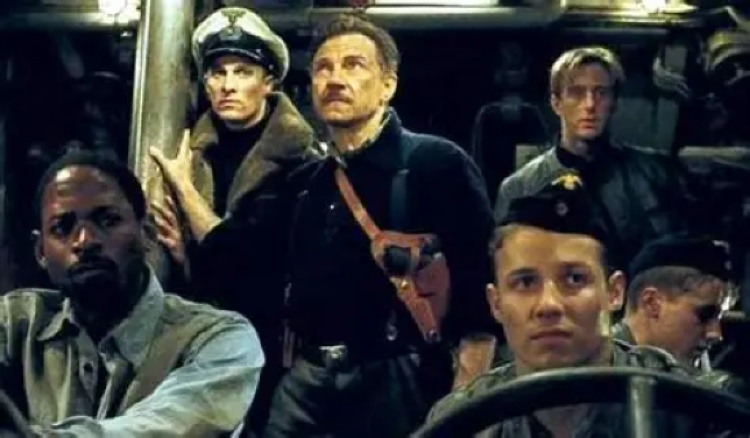
In a movie so inaccurate that the then-UK Prime Minister Tony Blair called it "an affront to the real sailors", some American submariners capture a German Enigma cipher machine on board a sunken German submarine. The movie was based on Operation Primrose, where British and Canadian forces retrieved Enigma machines from a U-550 submarine and some codebooks found on a U-110 submarine. American forces had no part in this operation, as the US didn't enter the war until 1941, by which point Enigma coding machines were captured and being used to crack codes, which shortened World War II by several years.
Gladiator (2000)
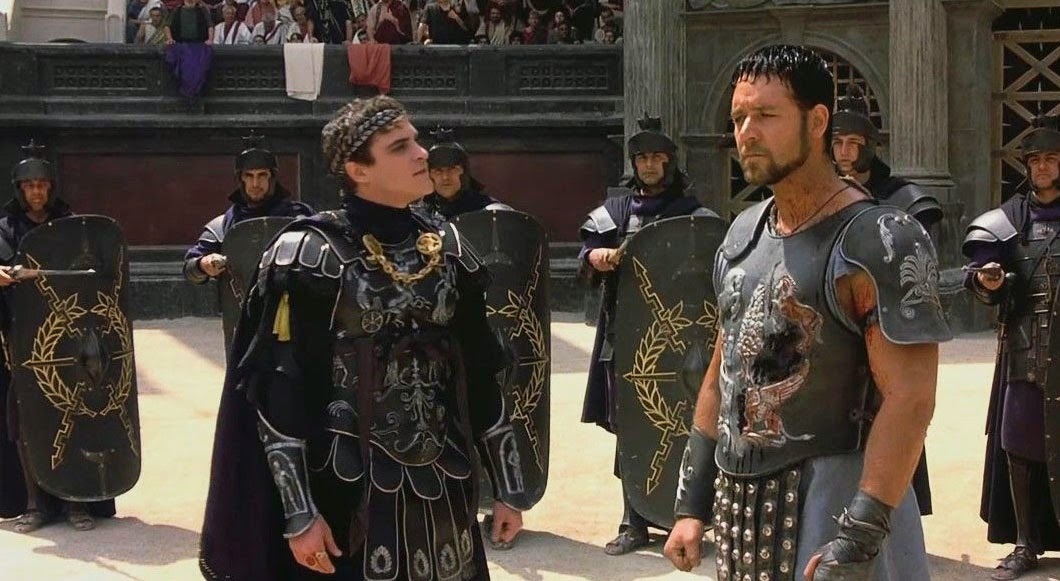
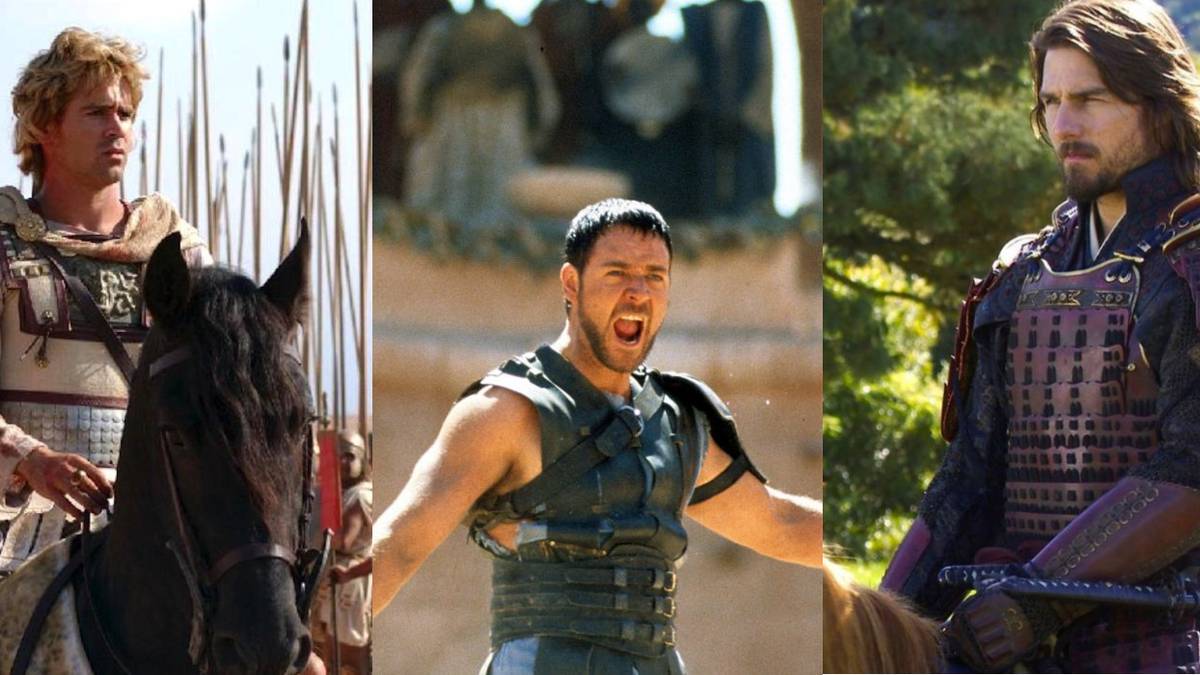
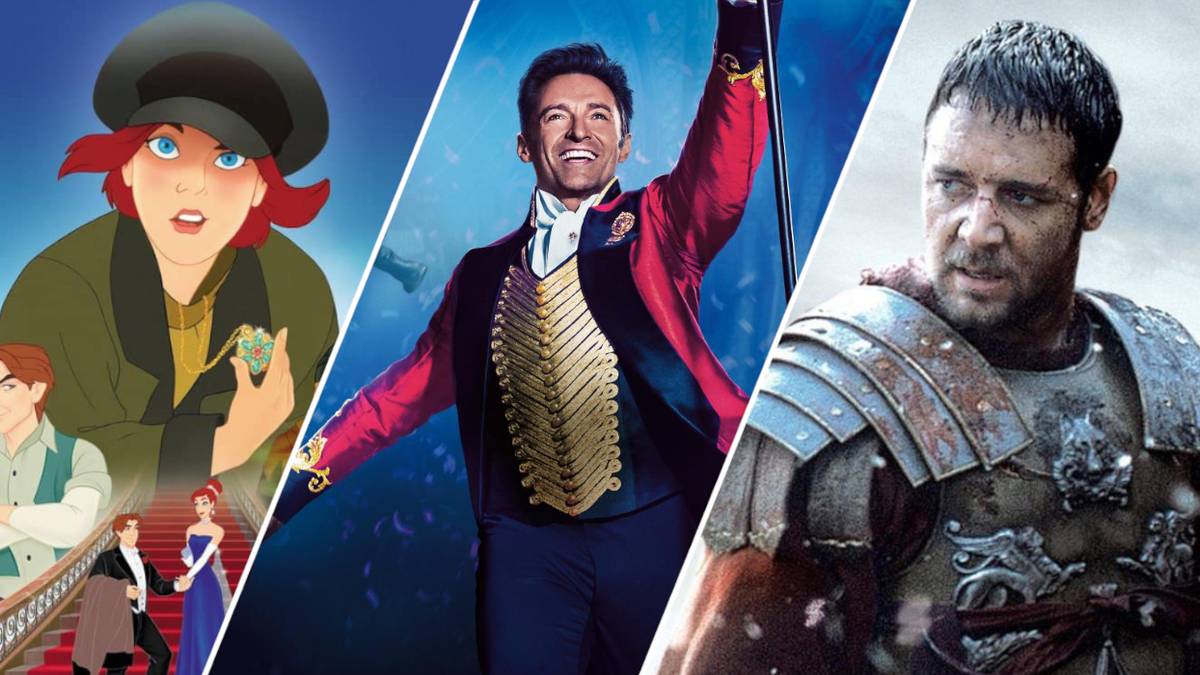
Winning Best Picture at the Oscars, among other Academy Awards, doesn't equate to winning an award for historical accuracy, which Gladiator certainly would not have won, even though it's considered one of Ridley Scott's most epic dramas. In this one, a respected Roman general named Maximus (Russell Crowe) is made a slave and subsequently becomes a gladiator to face off against the corrupt new emperor Commodus (Joaquin Phoenix) who ordered the murder of Maximus' family. For starters, there's no evidence that any such gladiator ever existed, even though several figures around Maximus did exist. Then there's the time Gladiator is set, which is around 150 years after Julius Caesar's great-nephew Augustus changed Rome from an empire to a republic. The movie, however, suggests Rome became a republic after Commodus' death, but this wasn't the case. Other inaccuracies include Aurelius (Richard Harris) banning gladiator games and Commodus' death in the arena, which didn't happen in real life.
Argo (2012)
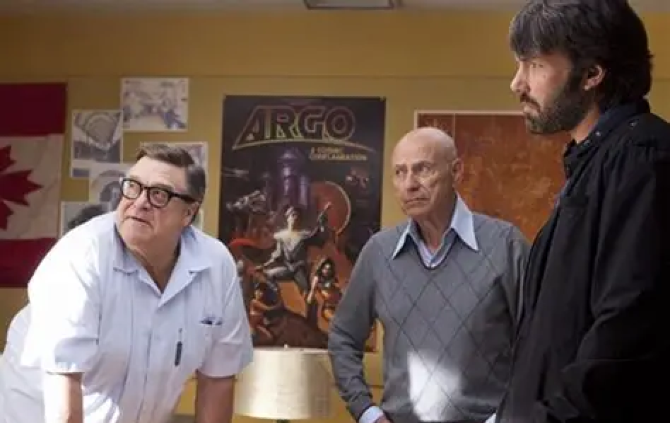
Even though it went on to become a box office success and win the Academy Award for Best Picture, any history buffs and professors watching were probably trying not to throw popcorn in anger. While a fake movie production was made to rescue six Americans after the Iran during the 1979 Islamic Revolution, the biggest inaccuracy was the downplaying of Canada's role in the rescue of the hostages. The mission to rescue the hostages was known as the "Canadian Caper," since the Canadian government played a huge role in the rescue mission. In fact, former President Jimmy Carter even credited the Canadians with "90% of the contributions to the ideas and the plan." And that's not counting the portrayal of Iranians as bearded fanatics, which many found offensive.
The Patriot (2000)
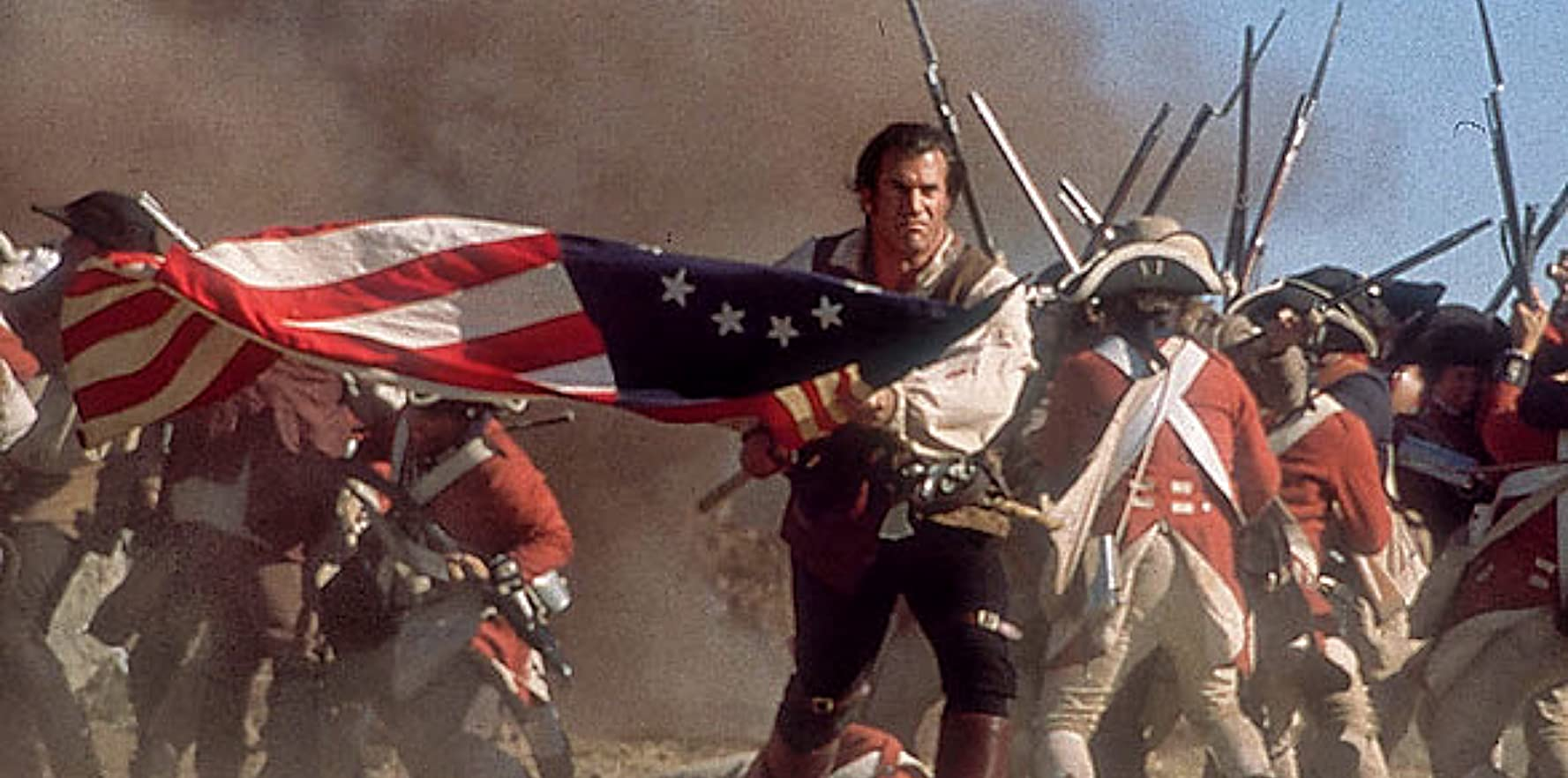
The seemingly only large-budget movie about the Revolutionary War might have been thought to be accurate, but that certainly isn’t the case with The Patriot, which was more akin to American propaganda of the time rather than historical fact. Mel Gibson's character of Benjamin Martin is loosely based on the real-life figure of Francis "Swamp Fox" Marion. The main villain of The Patriot, Colonel William Tavington (Jason Isaacs) was also loosely inspired by a real British lieutenant named Banastre Tarleton, and there's no evidence that Tarleton committed acts that would, by modern standards, be considered war crimes. It's also worth noting that Francis Marion was historically recorded to hunt Native Americans for sport and have his way with female slaves. Marion also didn't have any children until after the war, when he married his cousin. On top of this, the final battle takes place at the Battle of Guilford Court House in 1781, where Martin defeats Tavington. In reality, the Americans lost that battle, though it did weaken the British forces and contributed to their defeat later that year.
JFK (1991)
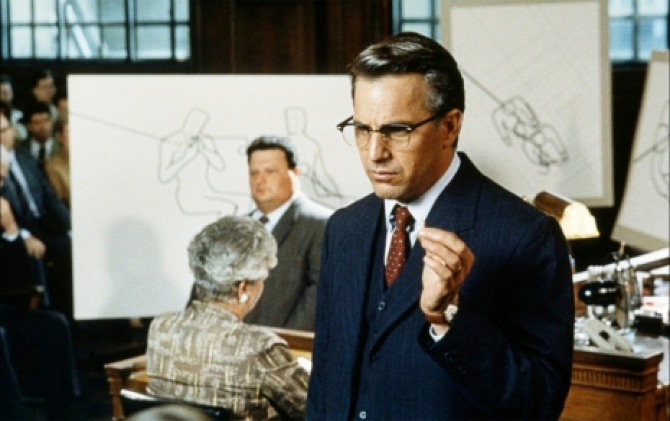
Director Oliver Stone has a reputation for historical films, such as the very accurate Platoon (1986), and in all fairness, it was very difficult to make the story fully accurate, since JFK was based on real events combined with conspiracy theories concerning the assassination. In the movie, New Orleans district attorney Jim Garrison (Kevin Costner) uncovers more to the assassination of John F. Kennedy than was said officially. While Garrison certainly existed in real life, many things in the movie didn't actually happen. For instance, real-life key witness Perry Russo is portrayed as freely giving his testimony, when in reality, he was drugged before the testimony took place. The movie also suggests that Lyndon B. Johnson had something to do with the assassination, even though this was never proved. It was also shown in the movie that one witness is murdered after confessing he worked with the CIA and had a relationship to Lee Harvey Oswald. While this individual did exist in real life, he was never found guilty and died of natural causes.
The Last Samurai (2003)
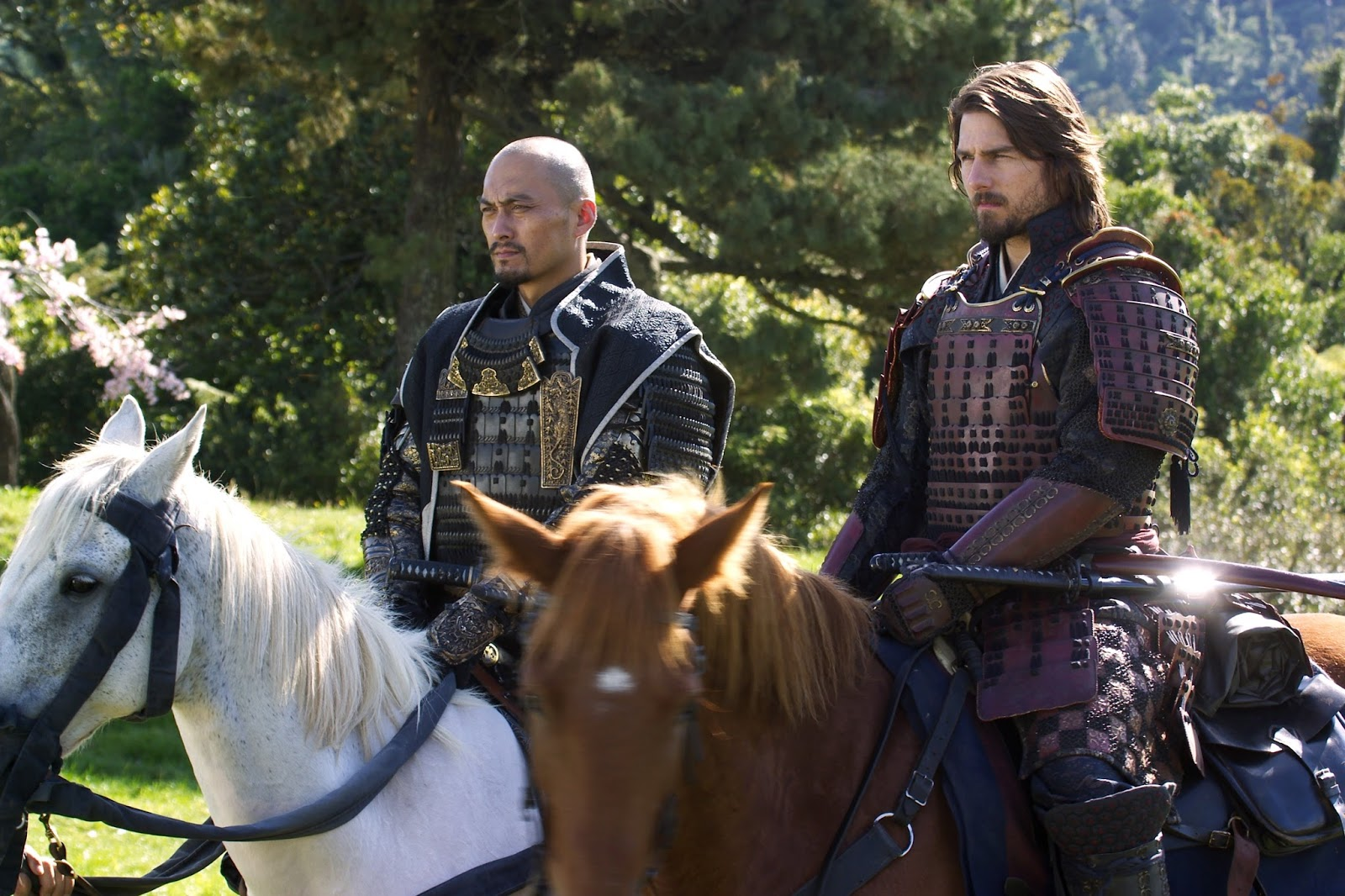
This one sees Nathan Algren (Tom Cruise) as an American military officer hired by the Japanese after being captured in battle. While the movie focuses on the real-life Satsuma rebellion, which brought an end to the Samurai period, Japan certainly did hire military advisors from foreign countries, but never any Americans; most of the advisors were French. The rebellion is depicted as being a "right vs wrong" type of situation, when it was really about sustaining privilege. The movie also uses ninjas, which were no longer active at the time. It should also be said that, while Samurai warriors famously used swords, the Japanese also were using rifles by this point. Additionally, the samurai were fighting to maintain their position at the top of the social classes, but they were depicted as noblemen fighting for a greater cause.
Braveheart (1995)
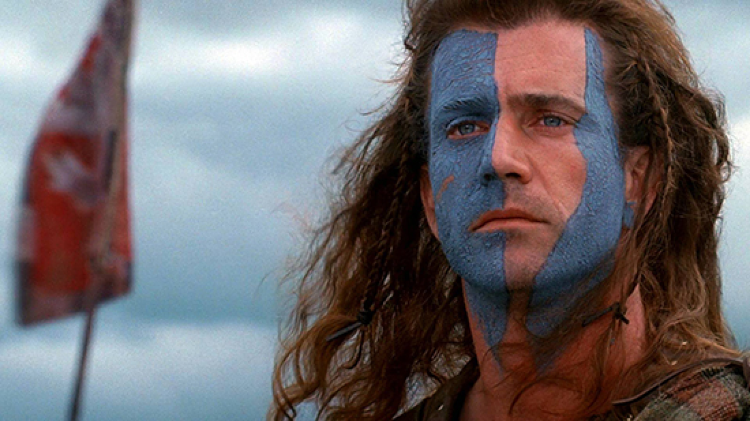
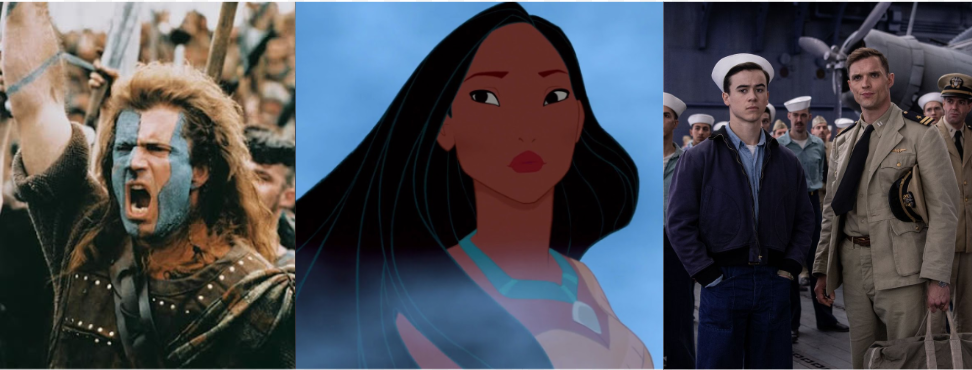
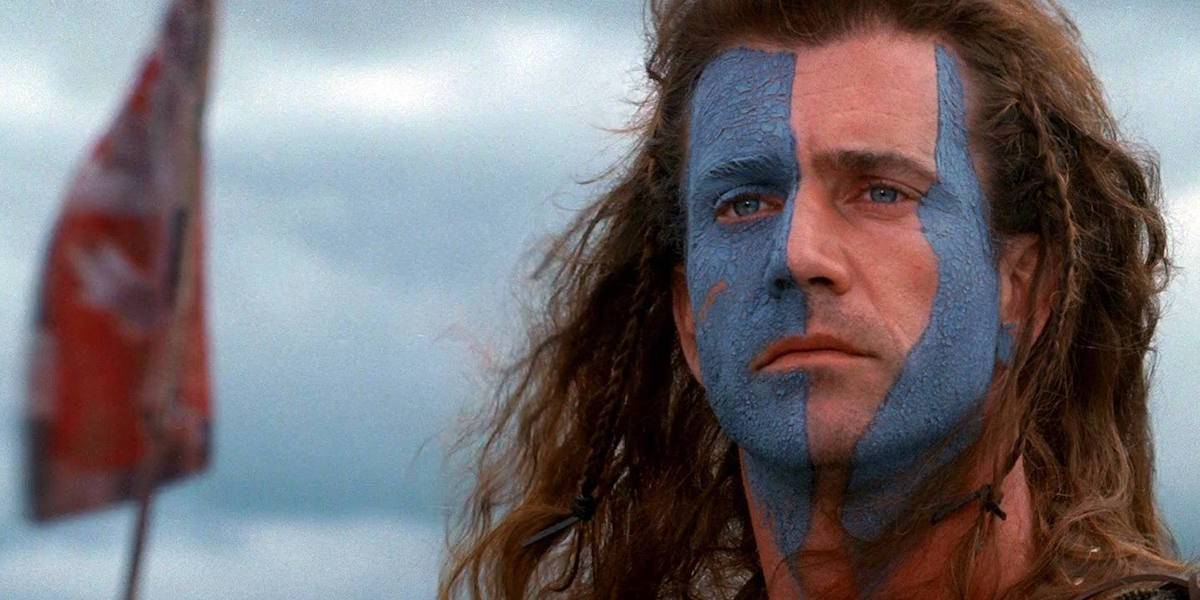
A badly accented (according to Scottish folk) Mel Gibson wasn't the best start to this epic, and things only got worse from there (from a historian's point of view, anyway). Gibson stars as William Wallace, a 13th century Scottish warrior fighting for freedom against King Edward I of England. To begin with, Wallace was a nobleman in real life but was raised as a farmer in the movie. The movie also suggests Wallace was fighting for freedom because of his wife's murder, even though he probably sought freedom for different reasons, since there is no mention of him having a wife in any historical record. And that's not counting the biggest inaccuracy, Wallace's love interest. In the movie, he seduced King Edward's wife, Isabella of France, who was only three years old at the time of the real Battle of Falkirk. On top of this, the kilts worn by the Scottish wouldn't come around until about 300 years after Braveheart takes place.
The Imitation Game (2014)
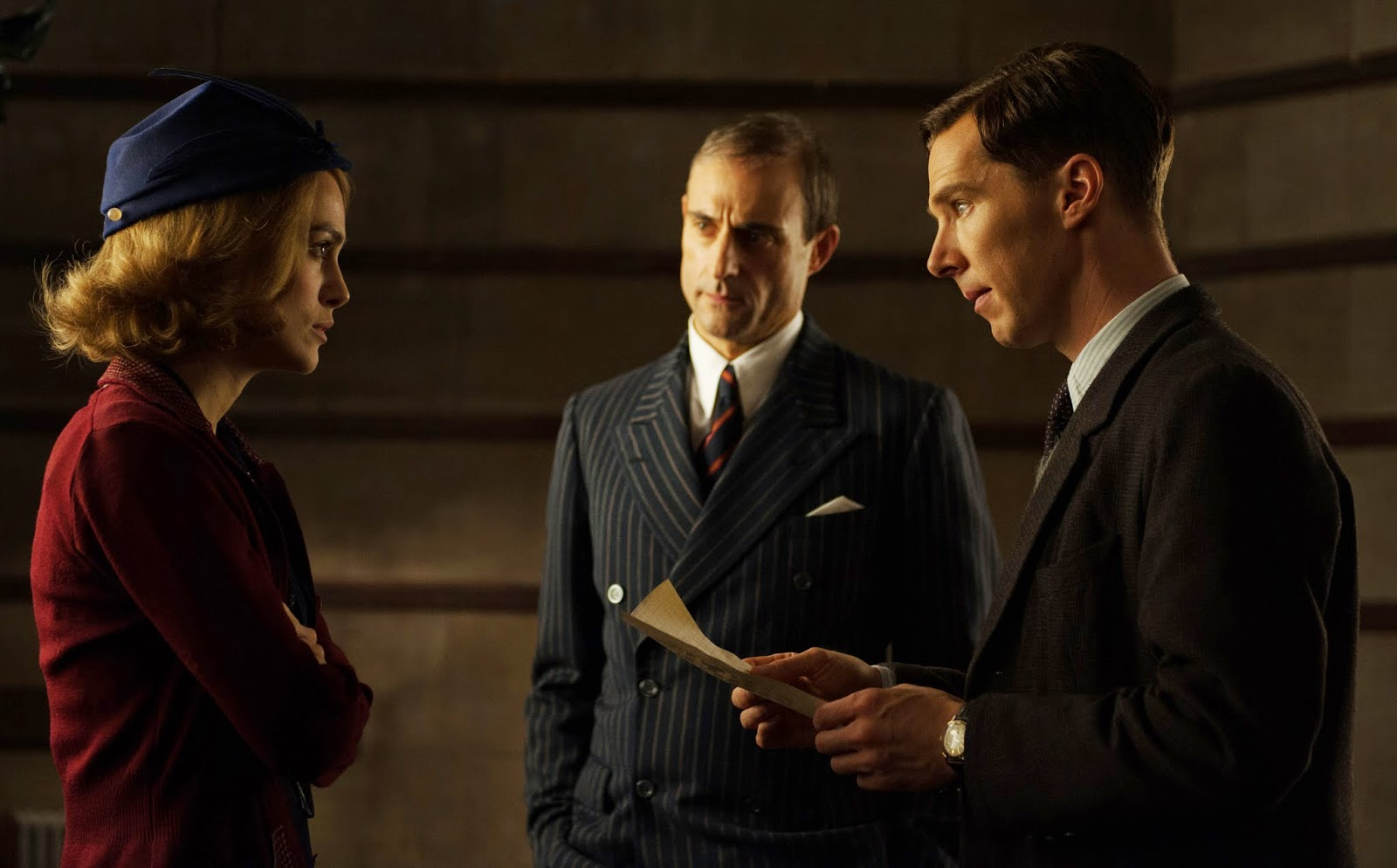
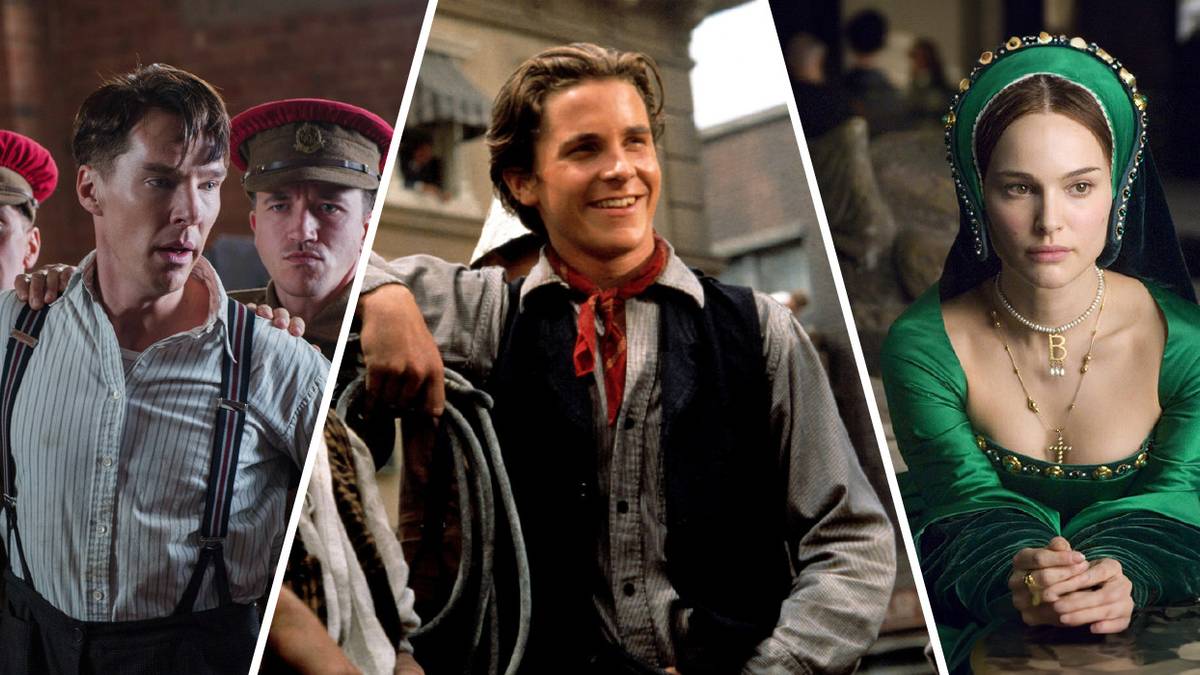
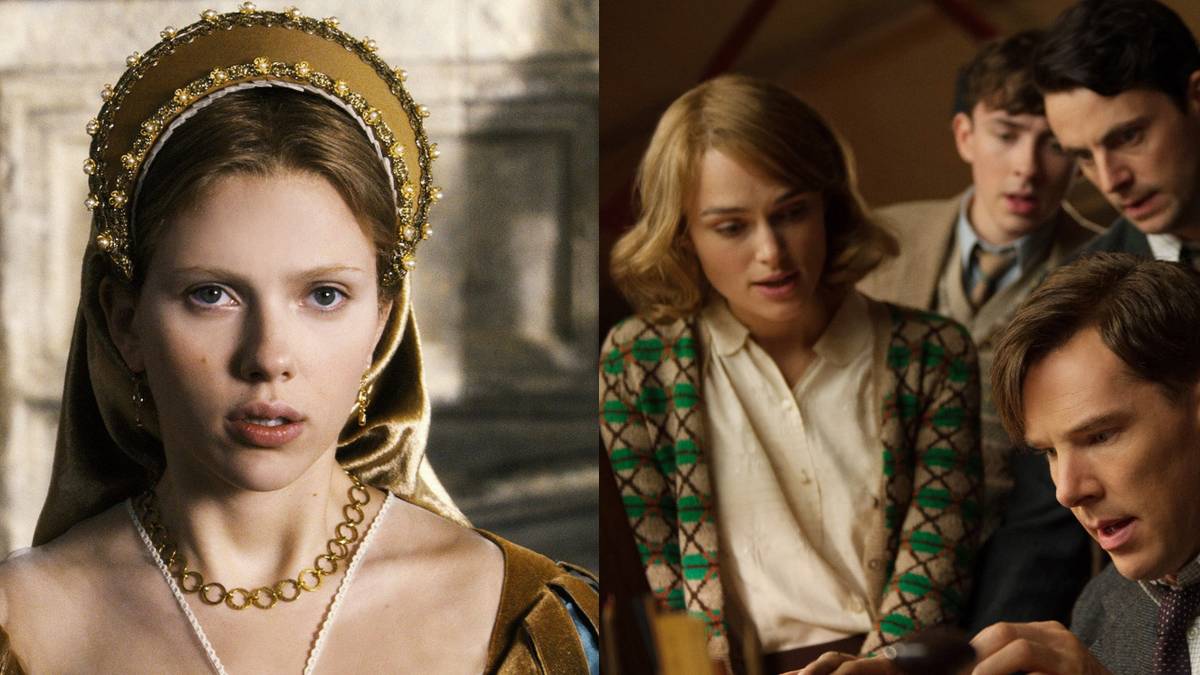
The story of Alan Turing may have been in need of telling on the big screen, but The Imitation Game depicts Turing (Benedict Cumberbatch) doing it alone. This was a glaring inaccuracy, as Turing was a major key in cracking the Enigma Code, but wasn't alone at all. Since the British knew that cracking the German code could be massive to their advantage, whole teams of people were working on cracking the code. It should also be said that Turing didn't invent the machine that ultimately cracked the code; Polish cryptologists had already built another machine that they began using before Turing worked for the British government. Another glaring problem was the portrayal of Turing's homosexuality by beefing up his feelings for his fiancée Joan Clarke (Keira Knightley). There also isn't much historical evidence that Turing took his own life, despite the movie showing that.
300 (2006)
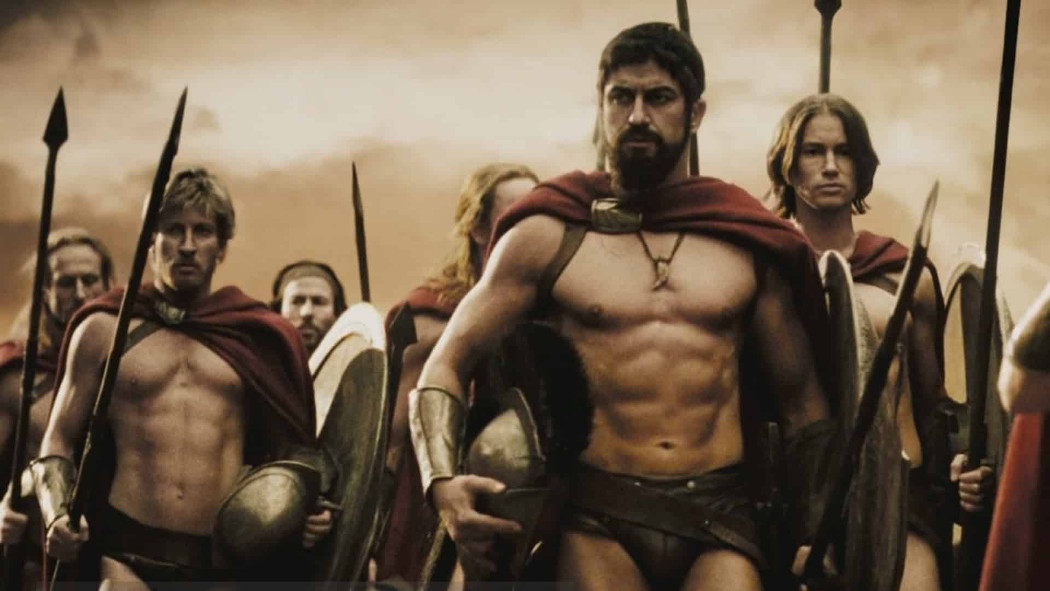
Though not rooted in historical fact, as it was based on a comic book series rather than Greek history or mythology, that doesn't take from the fact that 300 got several things wrong, namely the basic premise and the title itself. The movie gets its title from the number of Spartan warriors that fought the much larger Persian army. This isn't correct, however, as there were around 7,000 Spartans, Thespians, and Thebans (among other factions), not just 300, though the Spartans were still outnumbered. Ancient Greek armor was also not as revealing as the armor (or lack thereof) in 300. And that's not counting the Persian king Xerxes (Rodrigo Santoro) being barely clothed and wearing jewelry that included a nose ring, which was so inaccurate that the Iranian Academy of the Arts filed a complaint to UNESCO, dubbing the movie to be "an attack on the historical identity of Iran."
Napoleon (2023)
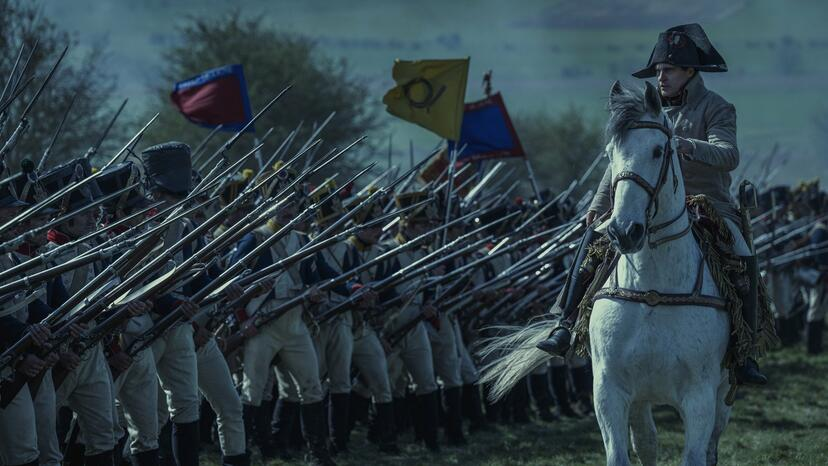
As is true with the previously mentioned Gladiator, just because Ridley Scott made a good and scary alien movie doesn’t mean he would make an accurate historical film. The Corsican ruler of France (whether a king or not) and later exile was brought to life by Joaquin Phoenix, but several things stuck out to eagle-eyed viewers, such as the frozen lake at the Battle of Austerlitz when there wasn't one in real life. Other flaws include Napoleon witnessing the execution of Marie Antoinette and the fact that Napoleon wasn't actually short but was of average height for the time. And even though Scott responded to the critics, the inaccuracies in Napoleon are certainly a weak point.
Pocahontas (1995)
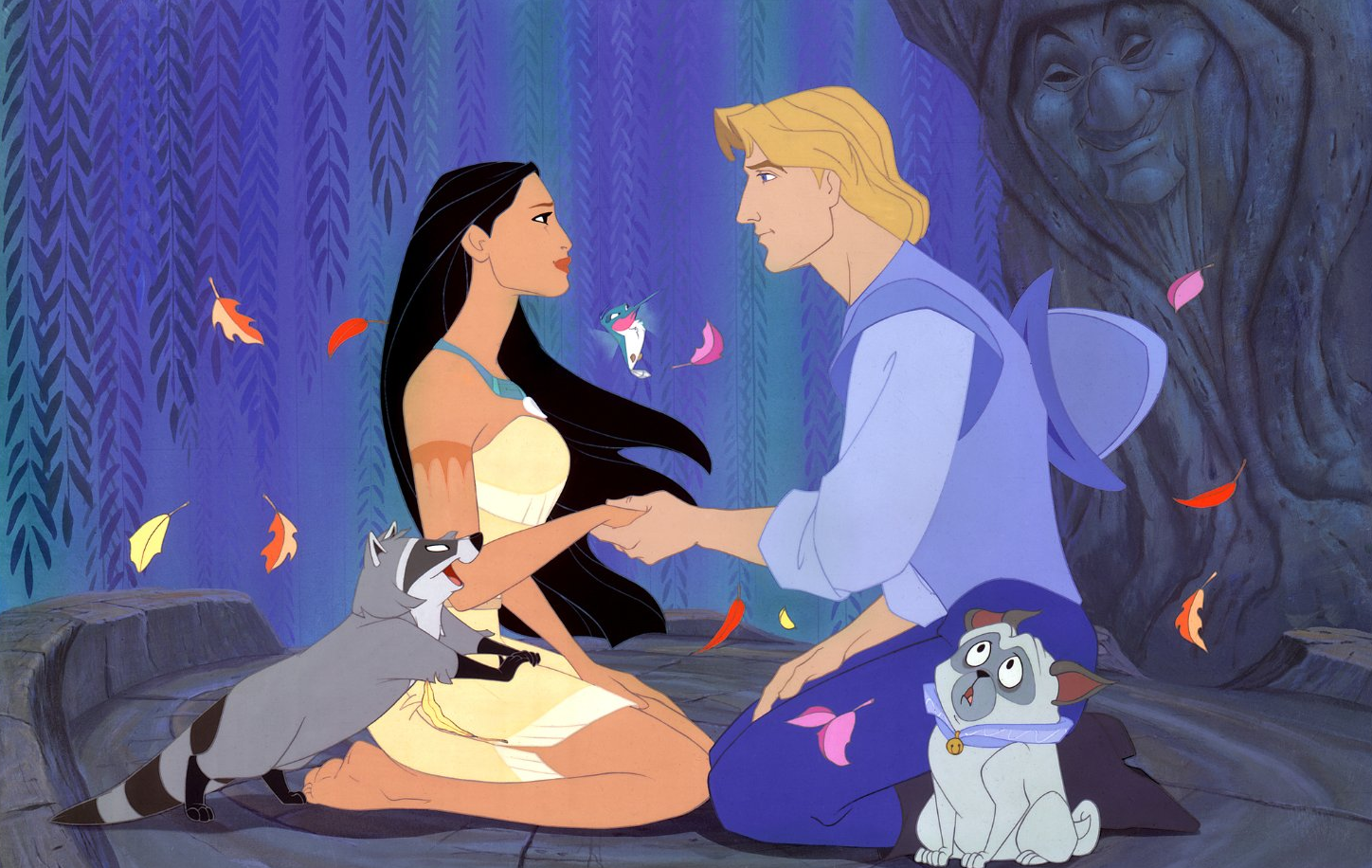
The rocky relationship between Native Americans and White settlers was heavily romanticized for this Disney classic. Even though Pocahontas became the first Native American Disney “princess” (of sorts), the historical inaccuracies almost take the importance out of Indigenous representation. For a start, Pocahontas was only around 10 years old when the actual John Smith came along. And while John Smith did claim that the Powhatan chief's daughter saved his life, many historians debate whether Pocahontas actually threw herself over the captured English captain, and if it was an act of mercy or if it was part of a ritual that Smith simply didn't understand. Pocahontas did eventually get married off to another Englishman named John Rolfe and would tragically succumb to disease at the age of 22. It also needs to be said that "Pocahontas" was actually her nickname, meaning "playful one," and that her birth name was Amonute.
Pearl Harbor (2001)
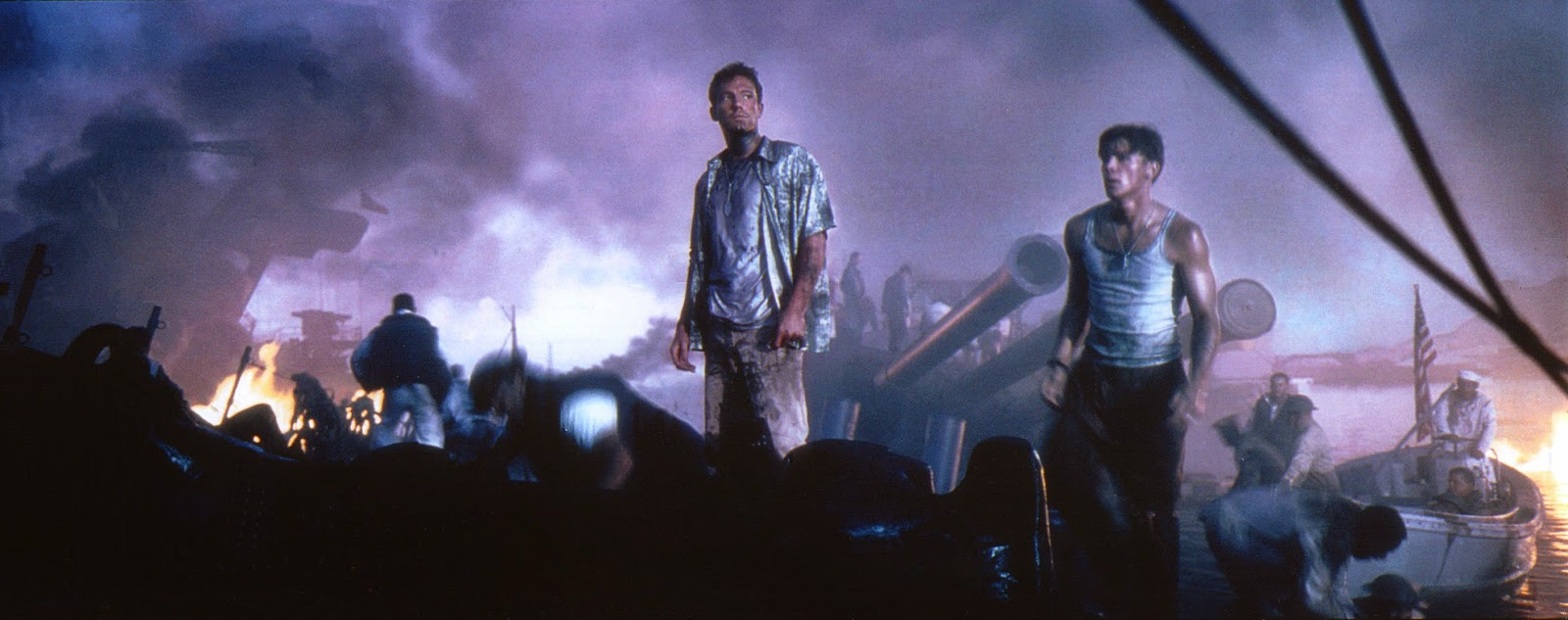
December 7, 1941, will forever remain a date that will live in infamy, and there was bound to be a movie about it. While Tora! Tora! Tora! (1970) was about as accurate as it can get, and 1941 (1979) was, more or less, comical, Pearl Harbor was meant to be a more serious take on the attack that brought the United States into World War II. While there were plenty of explosions at the real Pearl Harbor on December 7, 1941, Michael Bay’s movie drove many historians completely nuts due to the inaccuracies it presented. The Japanese didn't actually attack hospitals, as the movie shows. Many other military details are simply put aside in favor of boosting the star power and romance in the storyline. There's also a moment where then-President Franklin D. Roosevelt stands up from his wheelchair to give a fiery speech, shocking the crowd in the process. This, of course, didn't happen, and Bay was criticized for its insensitivity to disabled people.
10,000 BC (2008)
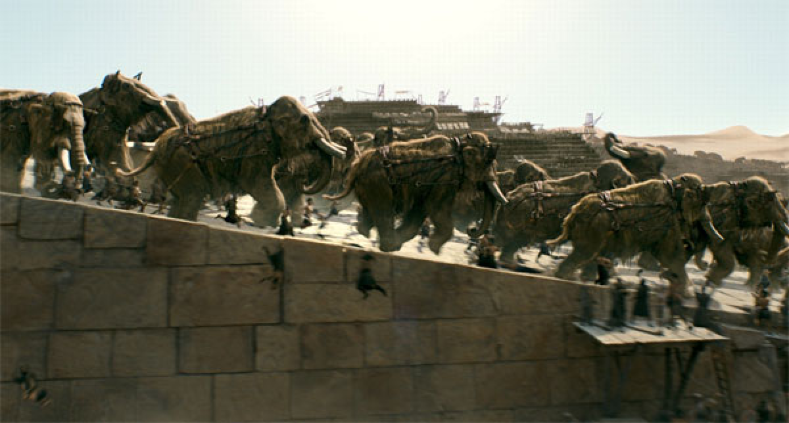
Given the number of inaccuracies in this one, it might be best to describe it as "science-fiction," with a heavy emphasis on "fiction." The movie shows ships, weapons, and even full-on industries that wouldn't come around until at least a few thousand years later. While mammoths were around when the pyramids were being built, they were not used to help build the pyramids. The pyramids weren’t built by slaves, either, and they were built around 8,000 years later. There's also the use of metals, which wouldn't have happened for another 6,000 years, assuming the movie is set in the Mesolithic age. And to top it all off, woolly mammoths being in the deserts of Egypt was simply too much suspension of disbelief for moviegoers.
Do you still enjoy these movies (even with the inaccuracies)? Leave a comment!
Sources: MovieWeb, GameRant, Screen Rant, Collider, CBR, Reader's Digest
 Sarah Kepins and Patrick Hayes and Mona Bassil
 Kath Leroy
 Jack Delaney
 Ryan Heffernan
 Sara Snow