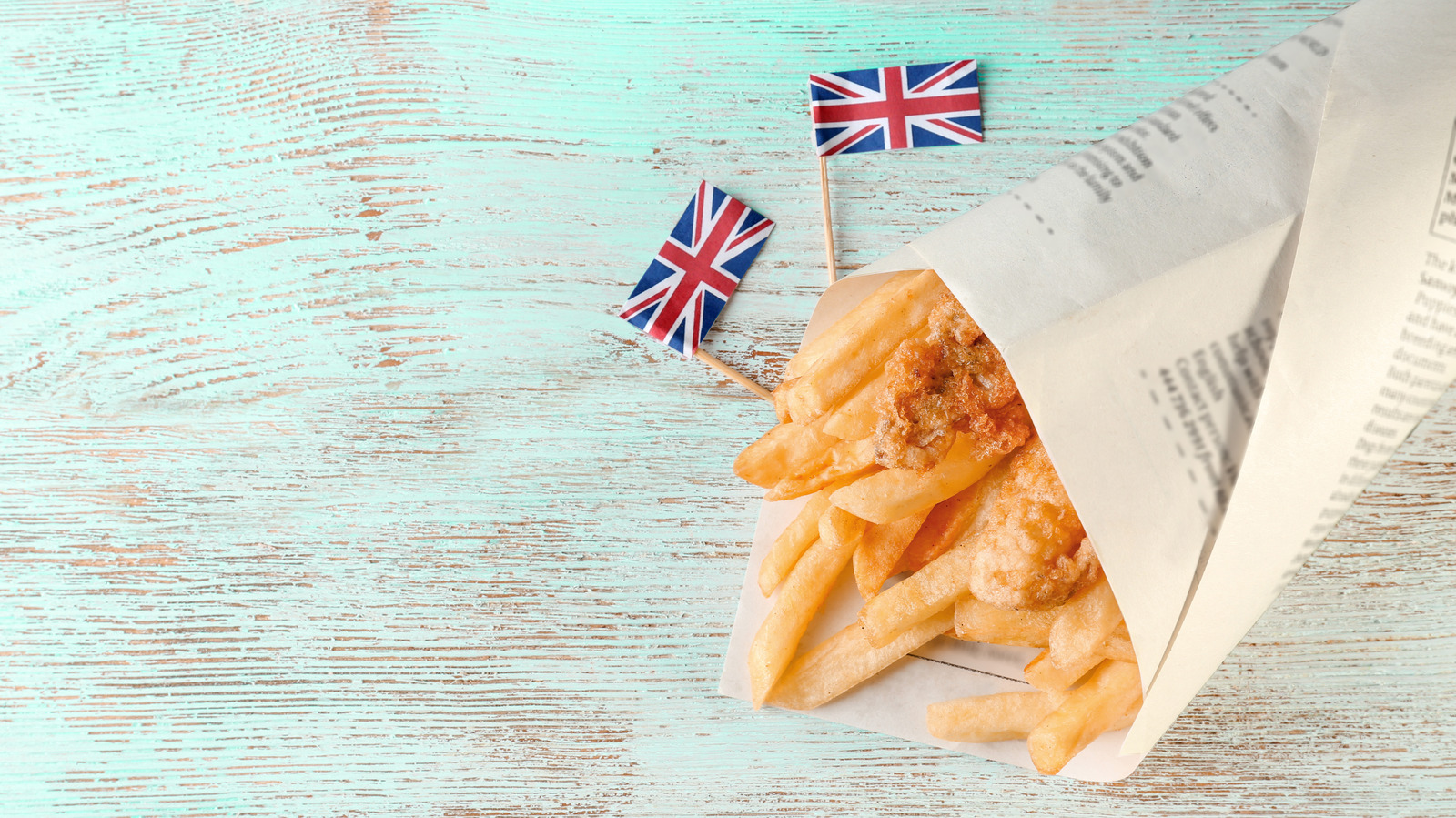
In Defence of British Food: Why It's Not as Bad as You Think
Don’t go saying you don’t want British food on your table yet.

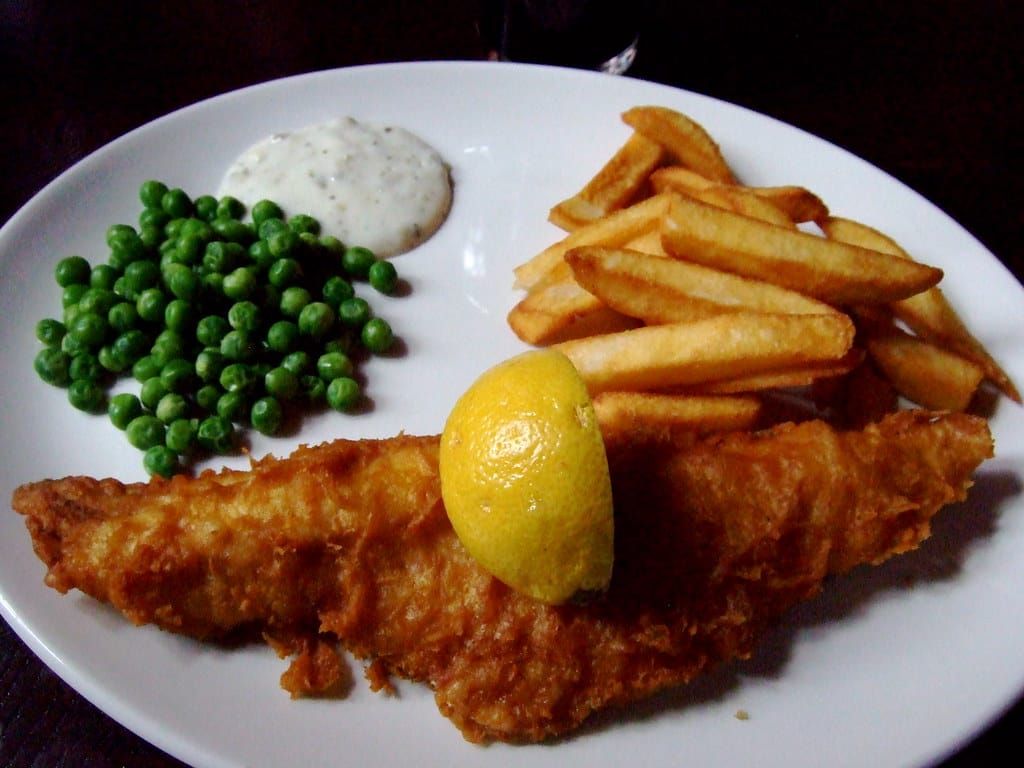
Whenever you think of going out to dinner, many might say, “yeah, let’s get some Chinese takeout,” or “how about Italian?” One thing that many, around the world, would likely not think of saying is “yeah, let’s get some British.” Many would look at you in confusion, at the least. At the most, they'd think “seriously? British? That food is bad.” And many others would agree with that thought. Today, we will be looking into why that mindset exists and why it’s not the way it should be.
Britain may be famous for different things, like a mostly rainy climate, an often-misnamed bell tower (this being Elizabeth Tower, often referred to as "Big Ben," which is actually the tower's bell's name), and a monarchy which has lasted for over 1,000 years, barring a 6-year hiccup involving Oliver Cromwell. But culinary delights aren't one thing that Britain is famous for. In fact, quite the opposite is often considered the case. To most, British cuisine may seem like boiled vegetables and bland flavours at first (which is ironic, considering the British cornered the market on spiced during the British Raj in India), but there are several dishes that come from across the UK which prove this thought wrong. Now, granted, dishes named "bubble and squeak" or "spotted dick" (yes, that's a real thing) exist, but does that really mean all British foods need to be shamed? Short answer, no. The long answer is, well, let's get into it.
First, let's look at how this mindset of hating food from Britain came to be: in the midst of the Second World War, the UK was a major European Allied Power, and it wasn't just British troops stationed on British soil; Allied troops stationed in Britain included American and Canadian soldiers, among other nationalities, by 1942. It's also worth pointing out that, during this time, many foods were rationed, like sugar and meat. In fact, by this point, more than half of the ingredients before the war were no longer available due to rationing. And even after the war and the end of rationing, the UK would have heavy restrictions on trade and travel for the next decade. Combine the factors of foreign soldiers (particularly the American ones) and rationed foods, and the American soldiers collectively expressed a disdain for hastily made local foods. And as unfortunate as it may be, this mentality became popular and remained for years, even decades, afterwards.
We've seen how this stereotype came to be, now let's look at certain things to consider before we refuse to eat fish and chips. One thing to consider is this: many people seem to forget that London is not all of the UK. As such, there are many different regions of the UK, all of which hosting an array of local dishes. We won't discuss these regions specifically, but the countries that make up the UK (as of this article's writing) are England, Scotland, Wales, and Northern Ireland. Each of these countries have distinct dishes, such as haggis from Scotland, Welsh rarebit from Wales, Sunday roast from England, and Ulster fry from Northern Ireland.
Since London is a multicultural place in its own right, there is bound to be different foods to come out of that. In fact, about one-third of foreign-born UK residents live in the capital. Fusion foods became popular in the 1960s and 1970s, and until the early 2000s, French cuisine was on the table for high-paying customers. This changed by the end of the 2010s, and British dishes made a comeback (of sorts), with fusion dishes being on the side. These factors, along with the fact that British foods aren't as bad as some may think of them as, can put into perspective how far American influence can go, to the extent that a whole country's cuisine can be ruined by the bad experiences of a certain number of individuals.
Would you sit down to a British meal now? Leave a comment!
Sources: Spoon University, Manchester's Finest, Tasting Table, Trafalgar.com
 Callie Austin
 Manchester’s Finest

 Clarice Knelly