Top 16 Movies That Could Never Be Made Today
Humorous in the 80s? Check again today.

Humor changes every now and again. One minute, a joke could be funny, and the next, it wouldn’t pass as humor because too many would take offense. For this list, we’ll take a look at some movies which, by modern standards of society, would not be acceptable. In other words, this list is about movies that couldn’t be remade. Movies that shouldn’t be made today will have their own list another day.
The Toy (1982)
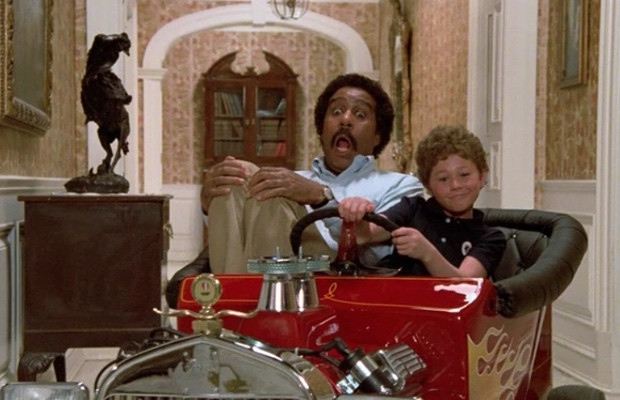
Kicking off this list is a movie with the same title as another movie that came out six years earlier, but let's not focus on that. One thing you can't ignore about The Toy is the fact that a rich White kid essentially purchases an unemployed Black man. This could theoretically be defended by saying that the kid needed a father figure, and there are other heartwarming aspects of this movie, but the movie never accounts for the fact that a White person purchases a Black person, nor does it account for the fact that it infantilizes an adult.
A Clockwork Orange (1971)
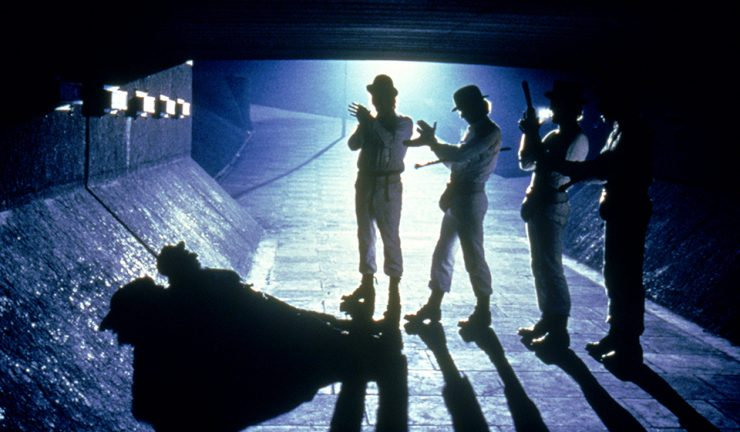
Even without describing the violence in detail, you likely know why this movie made this list. Using shocking content to make a larger point is what this movie excels at. Half its runtime is spent showing the violent acts of Alex DeLarge and his friends, called "Droogs," while the second half shows how the state forces Alex to be brainwashed into submission. Given that Warner Brothers is known for deleting movies to save money rather than for challenging audiences, that likely means A Clockwork Orange will forever stay a 1971 production.
American Beauty (1999)
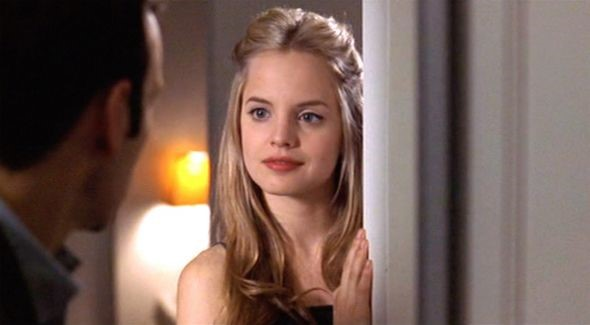
Even though this one managed to snag five Oscars at the 72nd Academy Awards, it still couldn't be made today. In fact, winning five Oscars seemingly secured the movie's place as a serious look at the nation's unseen problems. But instead, it sent the movie in a downward spiral that was made even worse after the public learned of the crimes of the main actor, Kevin Spacey. The movie, at one time, felt like a euphemism and criticism for consumerism now feels like the fantasies of a middle-aged man who wishes to be with a teenaged girl. Some have also argued that this one, unlike others on this list, deserves a remake because it has very strong points. But it is true to say that no filmmaker would ever put someone like Spacey's character at the center.
The Blue Lagoon (1980)
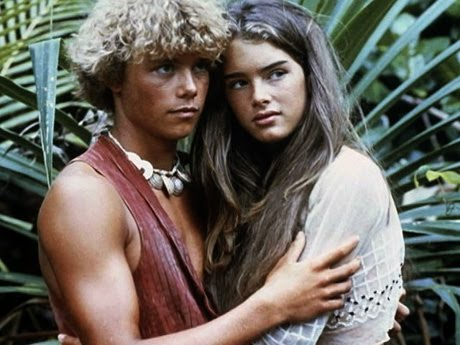
This one's plot seems awful enough: two cousins are stranded on an island and have a baby together. In addition to that, Brooke Shields was 14 years old during production. And even though a mature double was used during nude scenes, forcing Shields into intimate and romantic relationships would be against child protection laws nowadays. And as if it couldn't get worse from there, Shields and co-star Christopher Atkins revealed on the Now What? podcast that the producers actively tried to get Atkins and Shields into real-life relationship so that on-screen chemistry could be real, which would violate practically every ethics code in the book today. And for the animal lovers, the scenes of violently spearing and fish would be illegal because of organizations like the American Humane Association making sure no animals were harmed on the set.
I Now Pronounce You Chuck & Larry (2007)
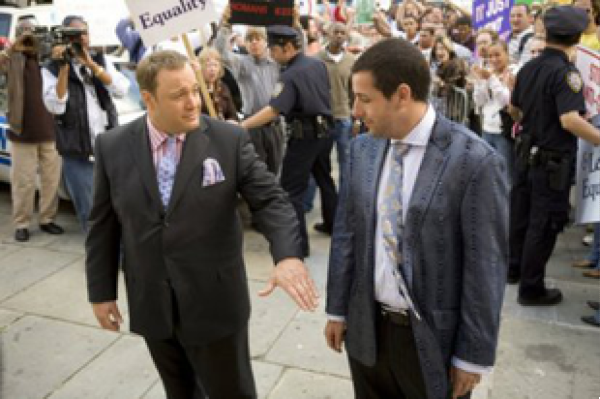
Kevin James and Adam Sandler have appeared in several movies together, and this one, which is also the second-most-recent movie on this list, is no exception. It was thought by the time of this movie's release that the premise of "exploiting minorities with straight, White men" was gone from movies forever. But this movie did it. And likely, no movie afterwards could do it again. Modern Hollywood comedies have come to rely less on "gay panic" humor and other crass stereotypes. The movie also relies on straight, very masculine men being disgusted at the thought of being gay, which wouldn't fly now, either. In addition to all of this, Kevin James' character is mocked for being heavy, which also wouldn't sit well with modern audiences.
Song of the South (1946)
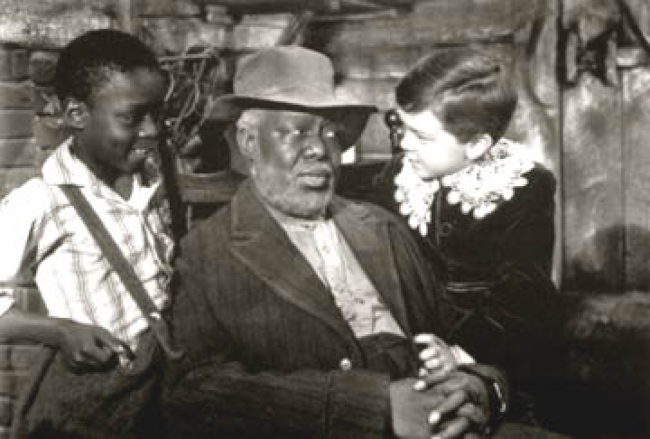
Say what you want about this one, but there's no denying that it was a product of its time. Not only was it made in the 1940s, but it also takes place in the immediate aftermath of the American Civil War, and those two aspects of it are questionable right from the get-go. And from there, things only get worse. It takes place on a Georgia plantation and heavily tones down realities of American plantations and shows race relations in the post-Civil War South as "utopian," so to speak. But the fact that it features the "Magical Black" movie trope is arguably the worst aspect of all, this being the main character of Uncle Remus, who acts as a folksy mentor who helps a wealthy White boy solve the boy's problems. Due to all these factors, Disney has kept this movie hidden for decades, and they also re-themed their Splash Mountain ride, since the ride had Song of the South themes.
The Tin Drum (1979)
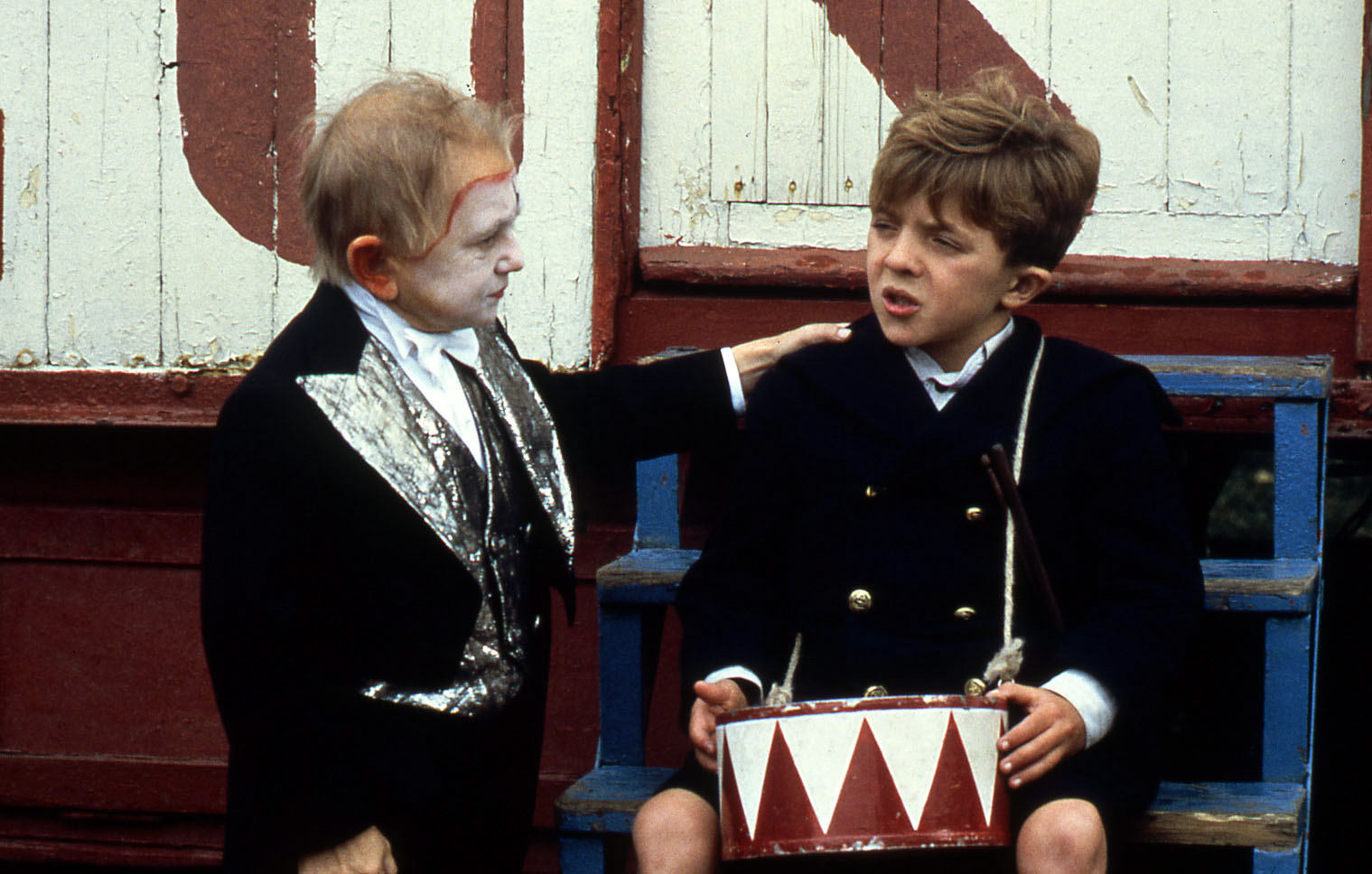
Adapted from the novel of the same name published 20 years earlier, this one comes from Germany and was originally titled "Die Blechtrommel." The main character is Oskar, an 11-year-old boy who stops growing mentally and physically at the age of three and engages in explicit relationships with older teens and young adults. Modern child safety laws would not allow a 12-year-old actor to do any of the mature things that are shown in the movie, not to mention showing themes of complicity in the rise of the Nazis. This movie was even banned in countries like Canada and US states like Oklahoma, where police raided and confiscated copies of the movie. The bans were overturned a year later, but the fact that the content of the movie got scrutinized by law is enough to keep this one from being made today at all.
Taxi Driver (1976)
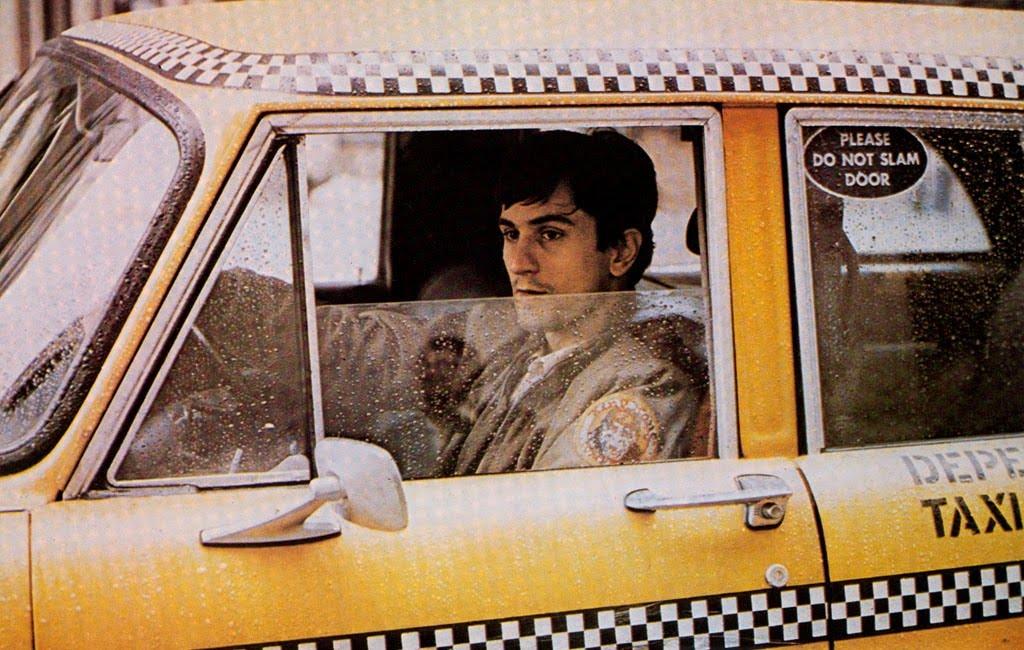
Having a tween as a prostitute was controversial at the time and would be even more so today. Travis Bickle is a deeply disturbed and racist anti-hero who would likely need to be redeemed by the end of the movie, according to most major studios. But one thing that can't be redeemed is the child prostitution in the form of Jodie Foster, who was 12 years old at the time. Even by 1970s standards, this role was controversial and wouldn't fly today because of child safety laws. On top of this, the movie's climax is simply a gore-filled shootout, where Travis barely survives. Oh, and in case you didn't know, director Martin Scorsese plays a taxi passenger in this one and uses the N-word in his scene.
Soul Man (1986)
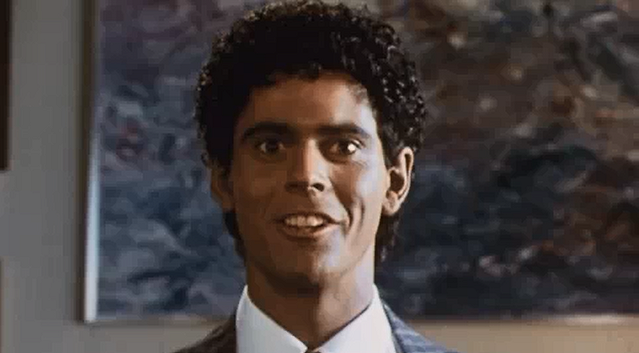
Even by 1980s standards, this one was extremely controversial. Blackface was unfortunately common during the first quarter of the 20th century, but it was outdated by the 1950s (despite the 1951 film Yes Sir, Mr. Bones coming out that decade). And since the 1960s, at least, blackface has been viewed in the way that we view it today. But that didn’t stop this 80s comedy from hitting theaters. Though it is very well-intentioned, there really is no excuse for the things the main character does. The main premise is this: Mark, a White college student, is desperate to get into Harvard Law school and please his parents. To do this, he pretends to be a Black student to win a scholarship intended for actual Black students, which increases Black suffering as a form of White enlightenment. In the end, Mark learns valuable lessons, including seeing first-hand the struggles that Black Americans endure to this day. And even though some movies could, theoretically, present shocking content and themes, those movies should never go as far as Soul Man did.
Sixteen Candles (1984)
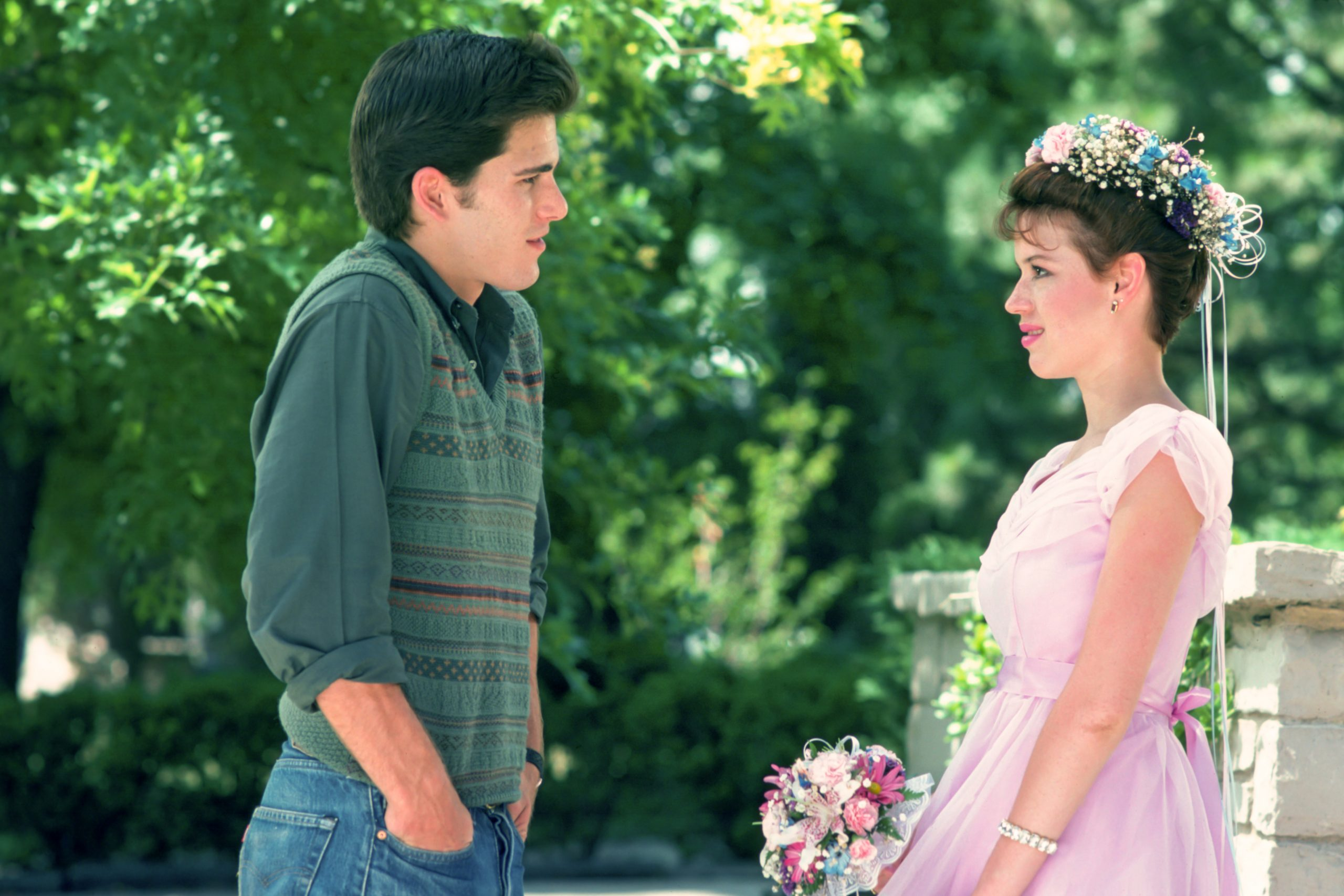
John Hughes' humor is the epitome of "something that was the product of its time." Along with his other film The Breakfast Club (1985), Sixteen Candles is the Hughes movies that was enjoyable one minute, then aged like milk in several aspects. Some of the movie's core jokes rely on racist stereotypes, like the character of Long Duk Dong, which is harmful caricature of AAPI community members. Lack of consent is another problem that won't make its way onto the modern screen. In one instance, the male lead of Jake Ryan gives his unconscious girlfriend to a younger man and says, "she won't know the difference."
Revenge of the Nerds (1984)
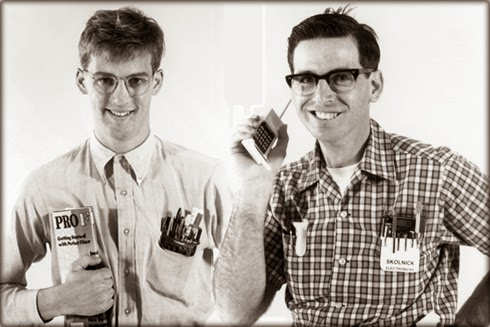
Voyeurism has been a crime for a long time. But that didn’t stop this movie from taking voyeurism to the extreme, in the form of using cameras to spy on women's changing areas. And that's not counting other aspects such as racism, homophobia, and assault. In one part, one of the main characters tricks a woman into sex by pretending to be her actual boyfriend. And unlike in the 1980s, modern comedy won't include geeks and goobers, who pretty much ruin movies now. But even that might be preferable to the unpleasant gags thrown at the audience in Revenge of the Nerds.
Porky's (1981)
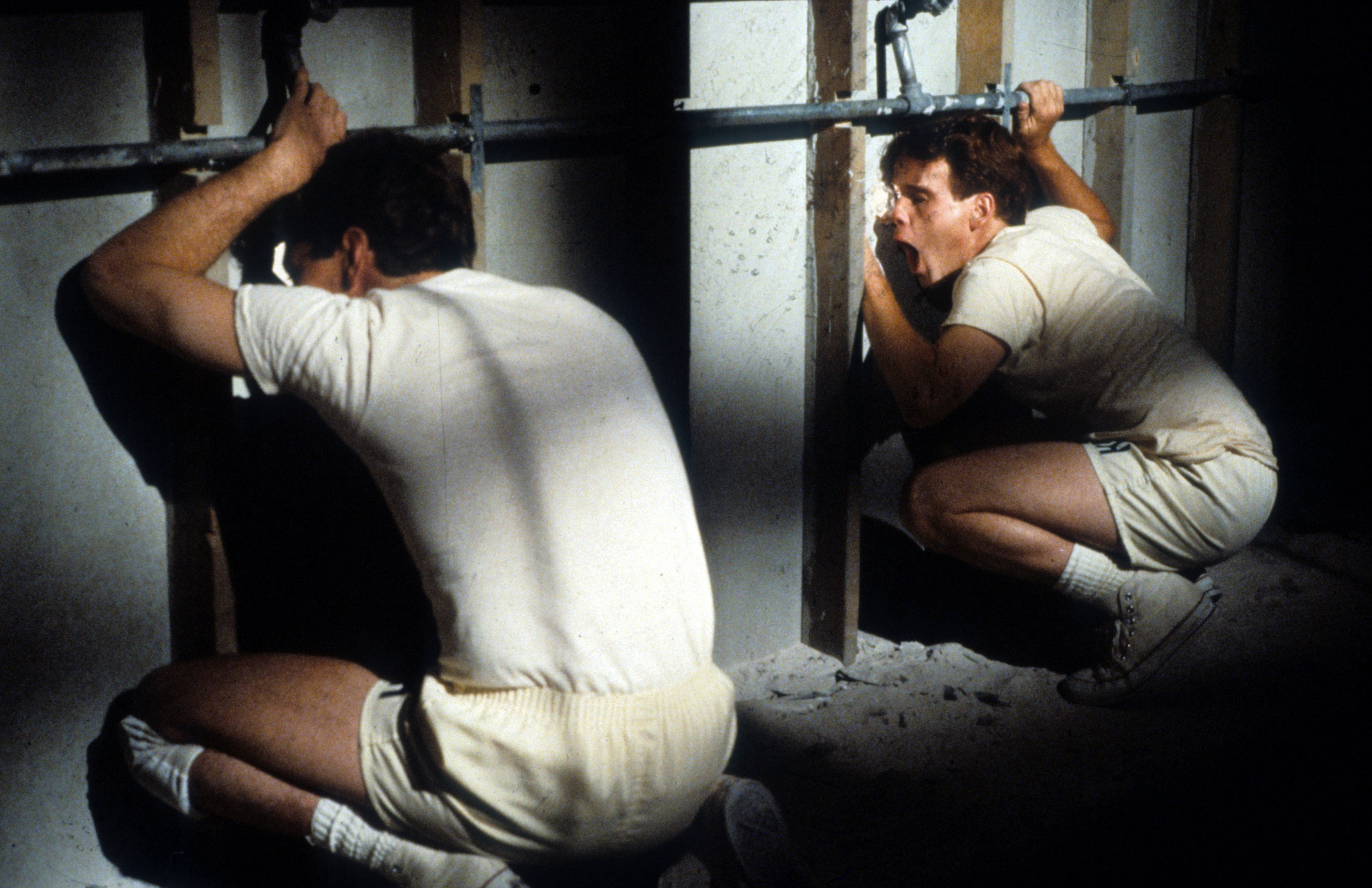
Director Bob Clark had gotten his hands dirty in this regard on more than one occasion before Porky's hit theaters. Just saying the phrase "teenage sex comedy" can go sideways very quickly, let alone directing several movies of that venerable genre. And like Porky's, practically every example of this genre, which is also nearly exclusively White and male, finds a way for males to sneak a peek into women's locker rooms, or similar acts. And from there, things only escalate into duping women into sex, which can legally be classified as rape.
Tootsie (1982)
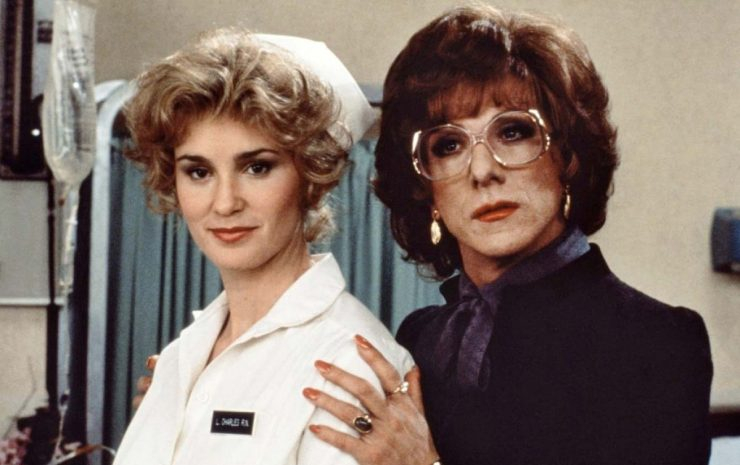
A man being in drag is nothing new. Like blackface, drag has been a part of American humor for some time, albeit to a far less controversial degree, which is likely why drag still lives on in some ways. But that doesn't change the fact that the idea of a man being best at telling the audience about what it means to be a woman is very outdated, assuming it was ever acceptable. And that doesn't count the thought of women taking over all the jobs, which seems off, to say the least. A modern remake would need to acknowledge the sexism in the film industry that the 1982 film is oblivious to.
White Chicks (2004)
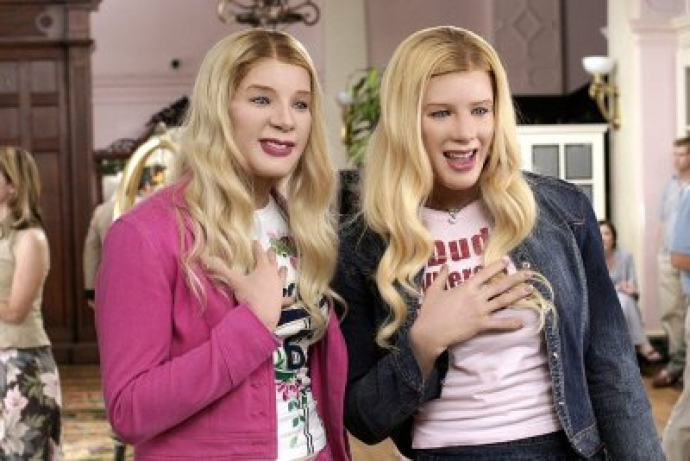
While blackface had been used for over a century in crude entertainment, the same can’t be said the other way around, which is probably why this one wasn’t shunned as much. But it was shunned in ways pertaining to its racial impersonation, gender-bending comedy, and stereotypes which have been scrutinized by modern standards. To caricature stereotypical female behavior is something that modern audiences likely couldn't handle, not to mention the non-consensual dynamics or the fact that the two main actors went through seven hours of makeup daily. Star Marlon Wayans has said in interviews that the movie's legacy is supposed to be an "equal-opportunity offender."
Tropic Thunder (2008)
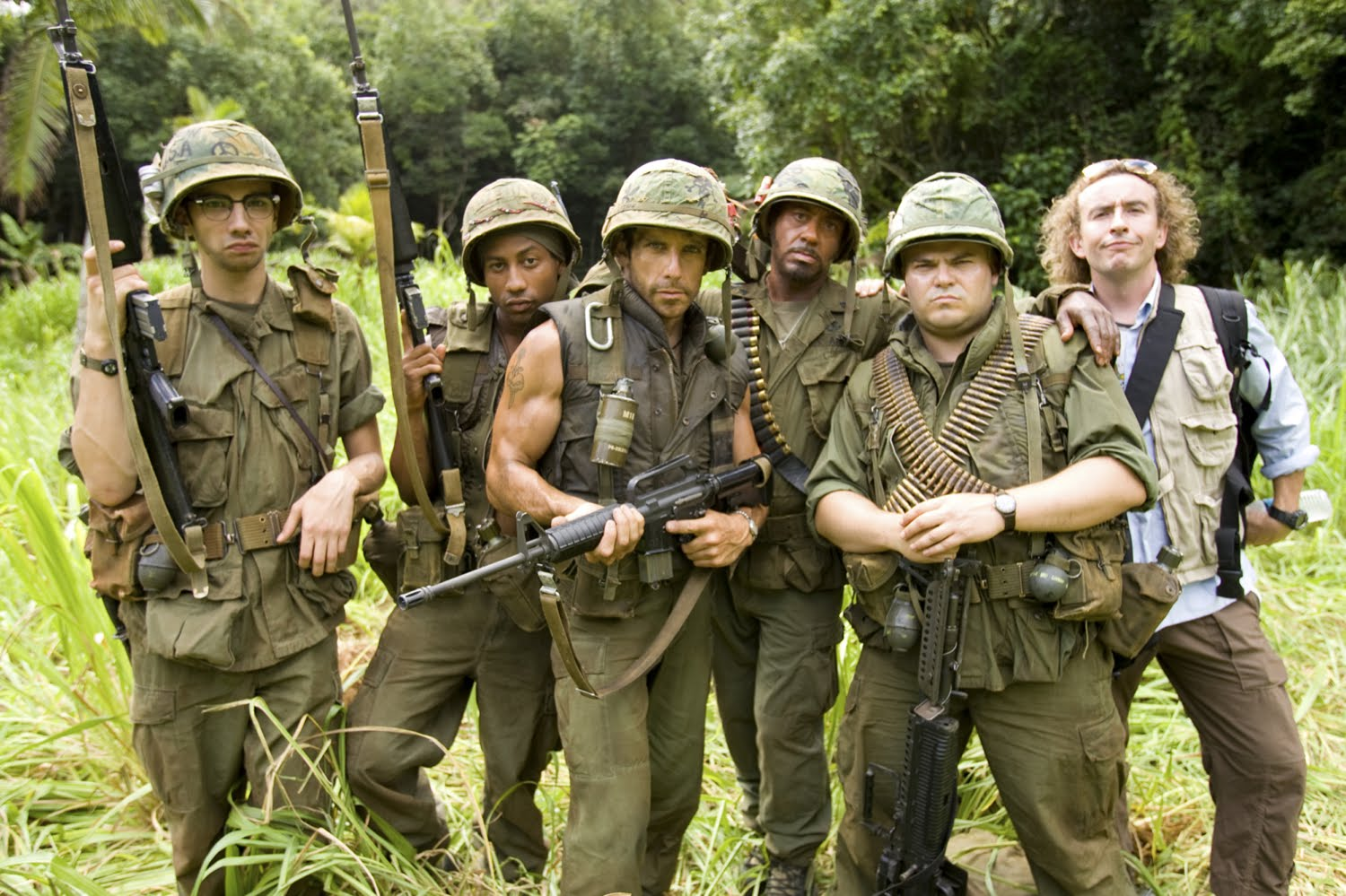
The most recent movie on this list is also ranked the second-most controversial. There are quite a few notorious things about this movie, but none of them hold a candle to Robert Downey Jr.'s character. In the movie, the character is an Australian method actor who has a "pigmentation alteration" surgery to temporarily darken his skin for his portrayal of a Black character. Downey defended this by saying that his role was done in an effort to show how wrong blackface is. And, to his credit, an actual Black actor does say how wrong it is. But that doesn't excuse the other controversies, such as mocking an intellectual disability, which sparked outrage among disability advocate groups. Director and main actor Ben Stiller says he will not apologize for the movie but has said that making a movie similar to it would be "incredibly dicey."
Blazing Saddles (1974)
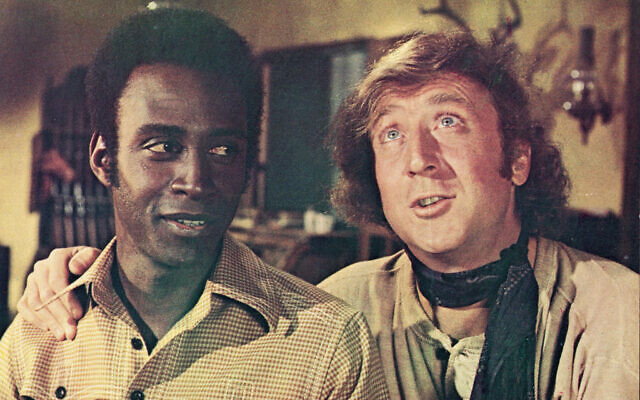
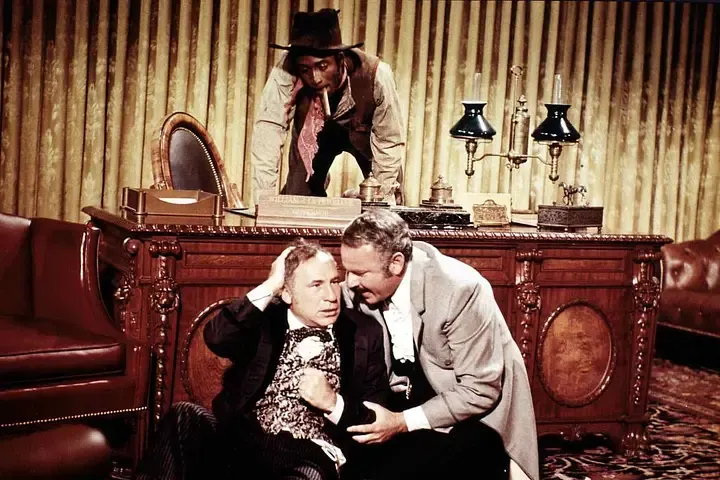
A Mel Brooks style spoof is always in good fun. That is, unless several White people use the N-word in many instances. Sharp humor on racism, if it was acceptable in the mid-1970s, wouldn't fly at all today. And that's not the only thing keeping this one from hitting modern cinemas. Even though Mel Brooks is Jewish and is known as an equal-opportunity offender, that doesn't take away from the fact that this movie parodies racism to extreme lengths. There's also really no humor in extremist groups like the KKK, which is featured in the movie. Brooks' humor here would most likely generate gasps and not laughs with modern audiences. It would feel unnecessary, at the very least, if it was made today. Worst case, it would get the studios behind it shunned forever.
Do you think these movies should be on streaming services with a fair warning? Leave a comment!
Sources: Lifehacker, Yahoo
 Ross Johnson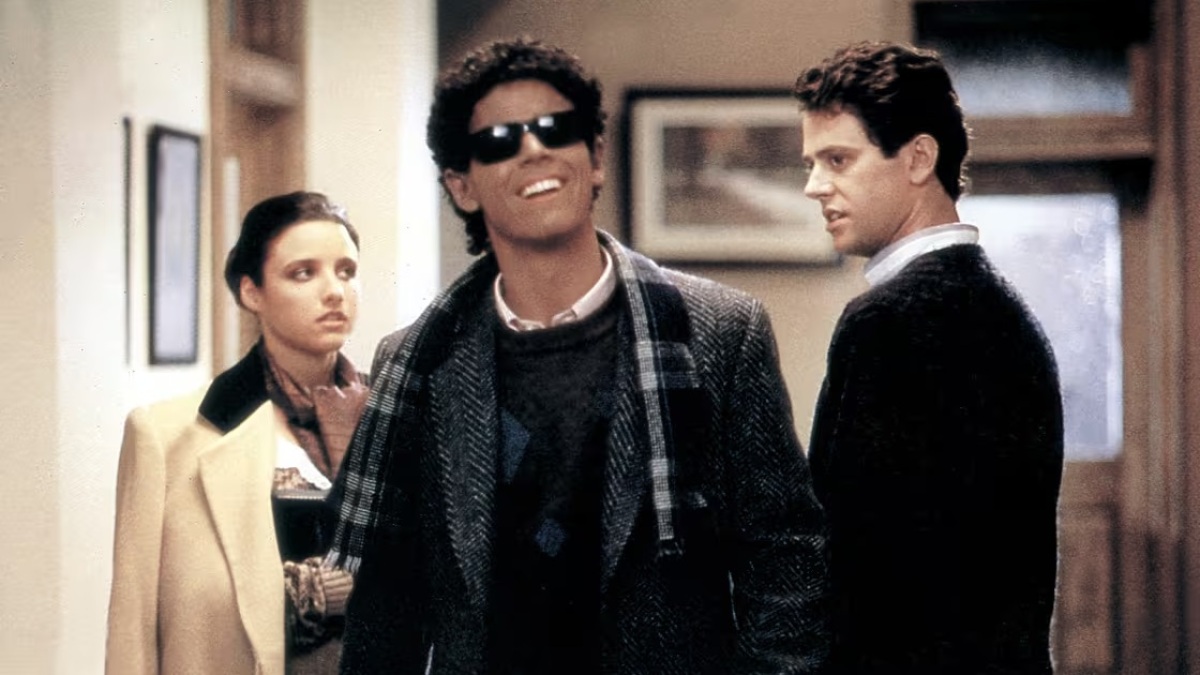
 Joe George