10 Weirdest Moments in American History
US history certainly has had its speed bumps.

For having a short amount of history compared to other countries, we've certainly had hiccups along the way. But the thing is, you have to realize that, even though our history is shorter than most, we have lots of history crammed into a short time frame. Here are the most bizarre events that have taken place in the US’s near-250-year history. And, just noting, this list is not organized chronologically. We will, however, be ranking these events by how weird they were.
Great Molasses Flood of 1919
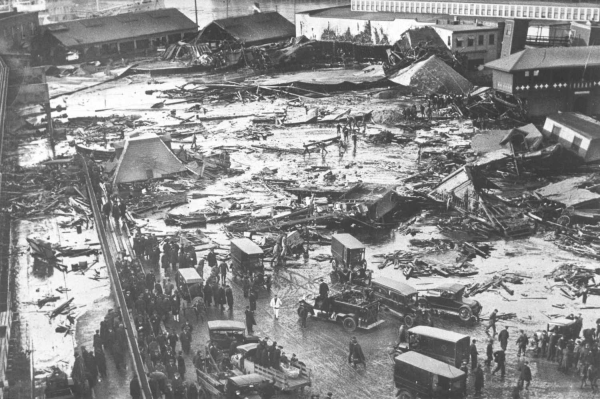
Kicking off this list is one that can be described as being as tragic as it is bizarre. After a giant storage tank burst on January 15, 1919, over 2 million gallons (7.57 million liters) of molasses flooded the streets of Boston, Massachusetts. Despite molasses being a thick liquid, a wave of it moved through the streets at 35 mph (56 km/h). Not only that, but the wave was 25 feet (7.62 meters) tall and up to 160 feet (49 meters) wide. Buildings were knocked off their foundations, roads were made impassable, and 21 people died, not to mention over 150 injuries. Cleanup efforts took several months, and the smell of molasses remained for years afterwards. The cause was attributed to poor construction of the storage tank, combined with unusually warm weather that caused the molasses to ferment inside the tank, which built up pressure. To this day, the event is remembered and commemorated in Boston.
Kentucky Meat Shower of 1876
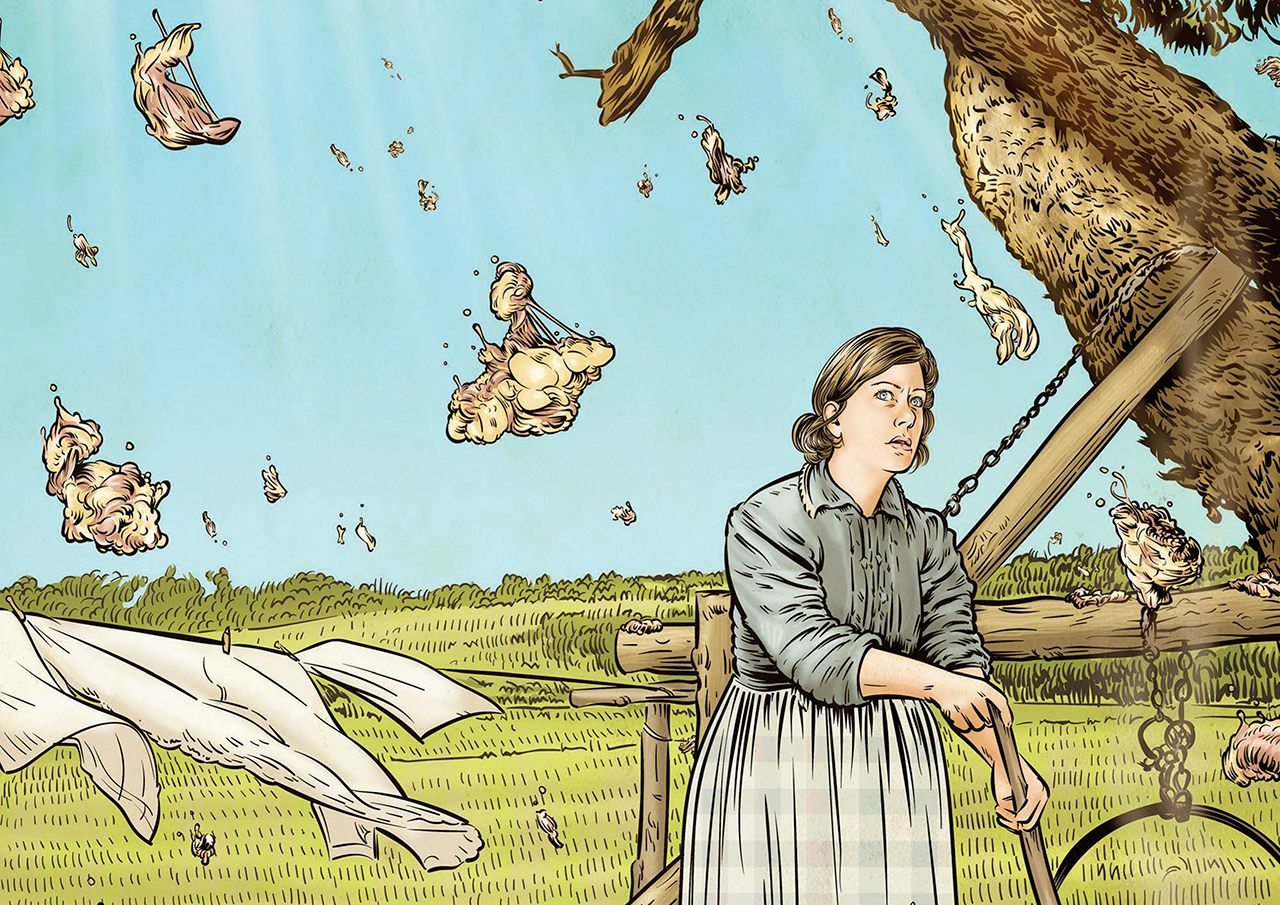
Not even a century into the country's history was one of the strangest meteorological phenomena in US history. On one March afternoon, dry flakes of meat rained down over a farm in rural Kentucky. Analyses of the meat flakes proved inconclusive, resulting in more questions. Theories about the event ran wild. Some thought it to be a meteor that exploded in the atmosphere, others suggested it was a flock of vultures dropping meat from overhead, while more thought it was just a hoax. Now thought to be a case of vulture vomit, the event remains unsolved to this day.
The New England Vampire Panic
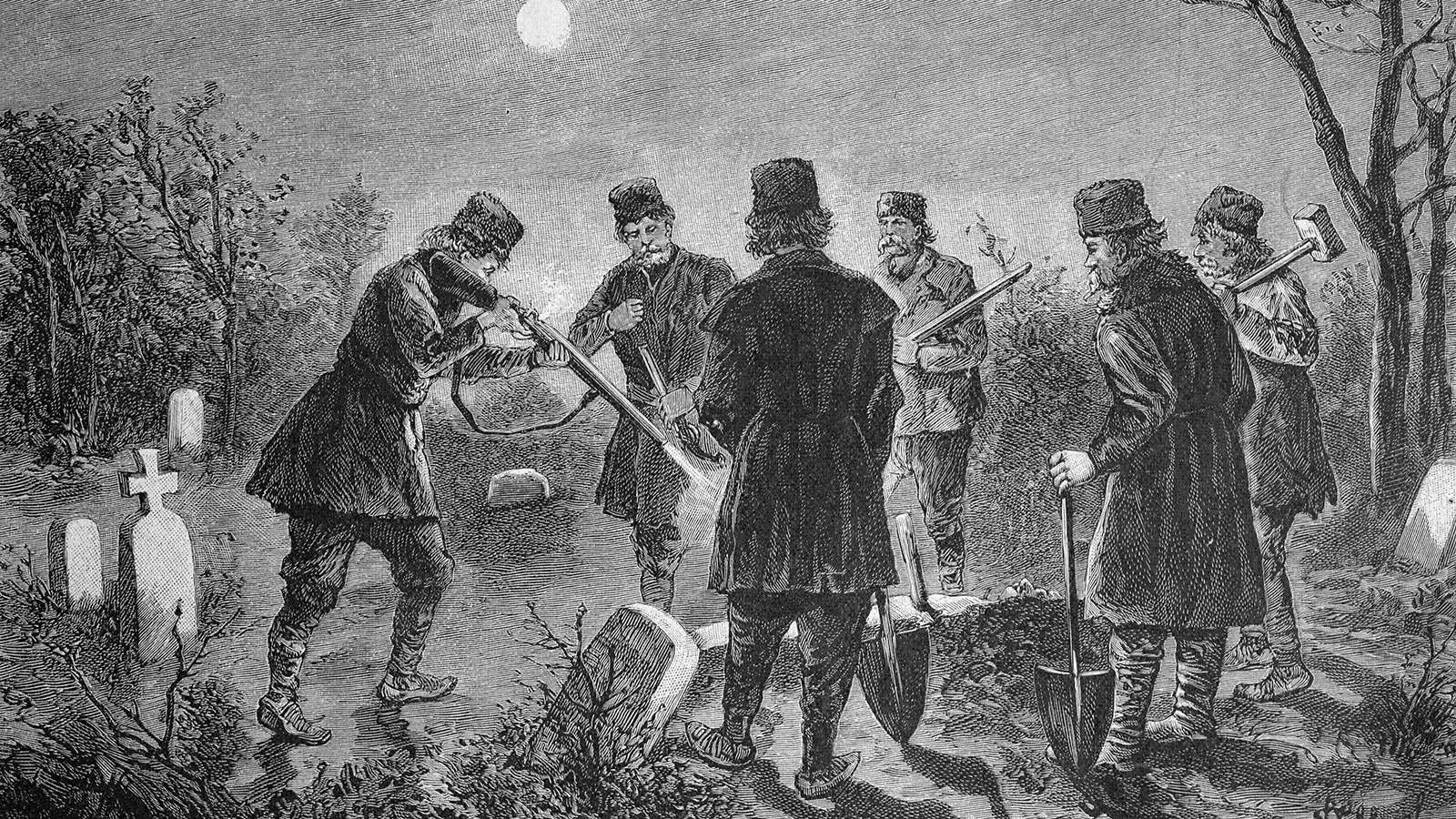
It was common in the 1600s and 1700s to think that inhuman monsters were commonplace, but that scare made a comeback in the late 1800s in rural parts of New England, mostly Rhode Island. At this time, people believed that consumption (an old-timey term for tuberculosis) was caused by the dead feeding on the living. This resulted in tons of bodies being exhumed and examined for signs of being vampires. The bodies of anyone suspected to be a vampire were often found with bloated organs and blood in their mouths, which was seen as a sign that they were vampires. In a few cases, the bodies were reburied with stakes through their hearts to keep them from rising again, and some bodies were even burned. This panic was attributed to several things, like lack of knowledge of tuberculosis, superstitions, and fears of what was unknown at the time. By today's standards, this whole thing would be considered crazy, but it also shows the powers of public beliefs and fears that shape human behavior.
The Battle of Palmdale in 1956
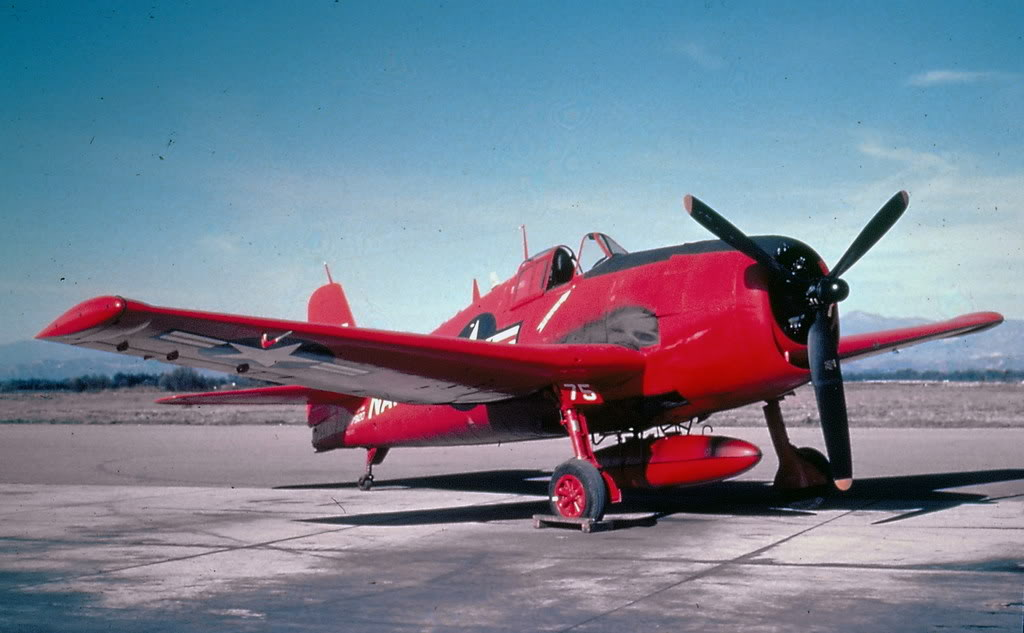
You'd think that an air force pilot would be able to spot their targets more easily, but that's not what happened here. On August 16, 1956, an Air Force regiment took flight in Antelope Valley, California. They were told to attack a ground target, which they did. Or at least, they thought they did at first. They were supposed to hit a simulated enemy position. It turns out, what they really hit was an actual housing development. The planes fired hundreds of rounds of ammunition and dropped several bombs on the houses, causing heavy damage to the homes and even other buildings. There were several injuries, but thankfully, no one was killed. The cause of the Battle of Palmdale is still debated today, with some claims that it was a case of mistaken identity or a miscommunication between the ground and the pilots. Others believe it to be deliberate testing of new weapons against civilian structures. Regardless, this event remains an unsettling event that reminds us of the dangers of live-fire training.
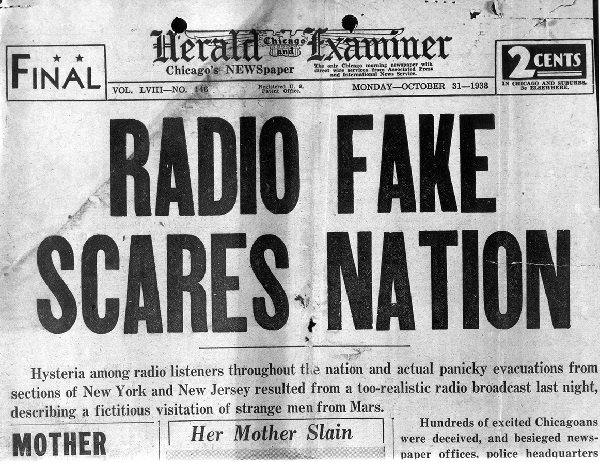
The War of the Worlds Radio Broadcast Panic of 1938
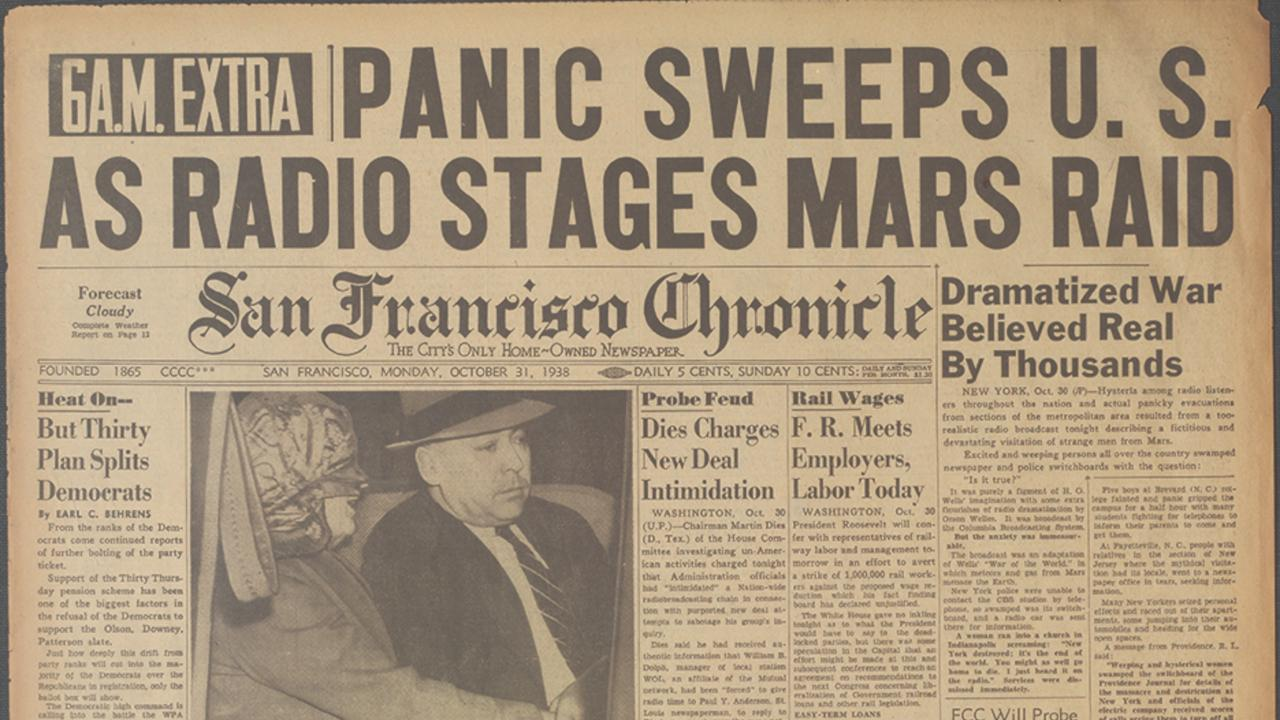
October 30, 1938, might not seem like that special of a day in history. But to history buffs, it is remembered as the day a radio adaptation of the H.G. Wells story War of the Worlds caused actual panic. The broadcast, which had been stylized as a news bulletin, described an invasion of Earth by aliens from Mars. By some pure coincidence, many listeners tuned in too late to hear the opening disclaimer. This caused the listeners to believe that the events were true. Some even left their homes and sought refuge in churches. The cause of the panic was attributed to the broadcast's realistic presentation style, as well as the tense geopolitical climate of the time, and the fact that radios were a popular way of spreading news at the time. It could be said that the lesson behind this event is to always think critically about news information and to consider it carefully.
The Jersey Shore Shark Attacks of 1916
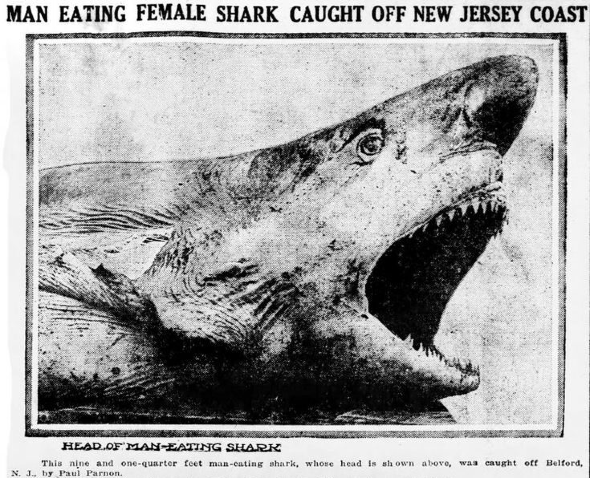
In a string of shark attacks that would inspire the novel and subsequent blockbuster Jaws (1975), a series of shark attacks took place along the coast of New Jersey in 1916, causing the deaths of four people, injury among several others, and widespread panic among beachgoers. On July 1, 1916, an attack took place off the coast of New Haven, New Jersey. On July 6 and 12 of that year, two more attacks took place in Spring Lake and Matawan Creek, respectively. In a few other instances, what is assumed to be the same shark attacked multiple people in the same location. These attacks led to an increase in shark research and conservation but also led to an unjust prejudice against sharks. Director Steven Spielberg has publicly expressed regret over shark populations decreasing because of his film Jaws. As stated in a 2022 interview on the BBC's Desert Island Discs podcast, Spielberg said that his film inspired "a feeding frenzy of crazy sword fishermen" across the United States, something he deeply regrets.
The Plan to Nuke Alaska for Development
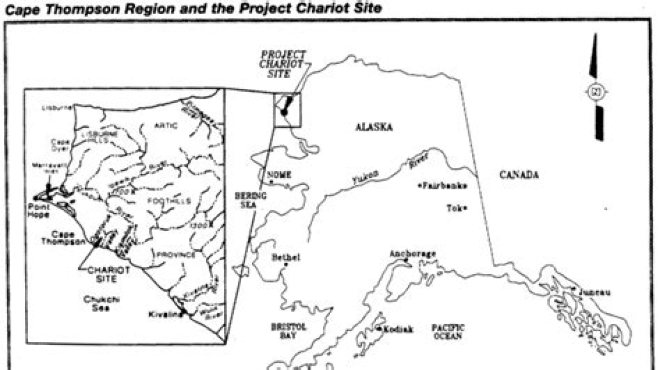
It should come as no surprise that nuking a place will completely flatten it. But that's not all it will do. Radiation will linger for years afterwards, as is prevalent in Hiroshima and Nagasaki today. Yet, in the 1970s, that's what the US government thought about doing to Alaska in the name of making a new harbor. This plan, known as Project Chariot, was, needless to say, absurd and likely improbable to work. That, combined with pushback from the Indigenous community and the ecological impact it could have had, led to its cancellation. This one remains a reminder of the dual use of nuclear technology, as well as public engagement in governmental affairs.
The Bathtub Hoax of 1917
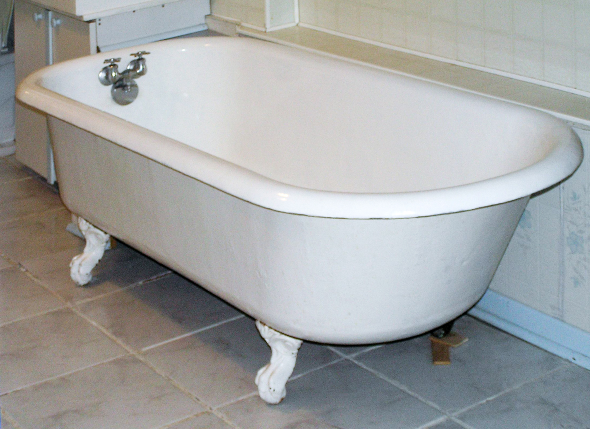
Bathtubs were nothing new in 1917, but that didn't stop a famed journalist of that time, H. L. Mencken, from creating a hoax about them. Mencken decided, for whatever reason, to claim that bathtubs were a recent invention and had only become common in the US in the late 1800s. Even at the time, there was evidence to prove he was wrong, but Mencken still wrote a detailed article for the now-defunct newspaper The New York Evening Mail. In his article, Mencken included false historical information and forged anecdotes. The article was widely read and even used in high school history textbooks for years afterwards. As you may already have figured, bathtubs were in use for centuries before this, and it had been popular in European homes long before it caught on in the US. Mencken and his hoax were eventually proven to be false but is still seen as an example of how fake media can fool lots of people.
Trying to Ban Ice Cream in 1942 and Sliced Bread in 1943
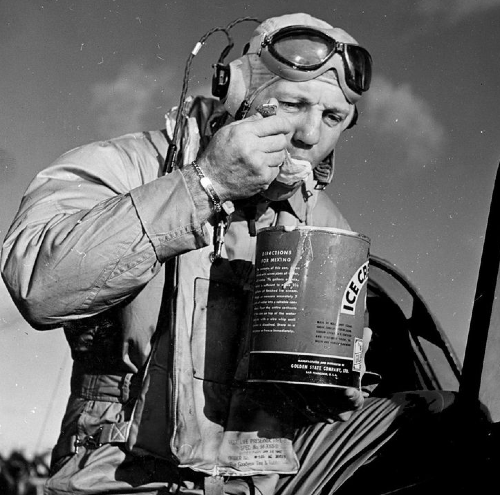
It’s very true to say that the Second World War pushed the American economy to the limits of what could be bought and sold since most everything was going towards the War Effort. Conserving materials and resources were a big thing during the 1940s because of the war, and even the most famous American comfort food wasn't immune to rationing, as dairy was conserved for US soldiers to boost morale. Ice cream vanished from store shelves, which led to disappointment for many civilians. Ice cream itself wasn't fully banned, but the lack of it on shelves was a highlight of the sacrifices our men were making back in the day. The same thing was done with sliced bread a year later, only that ban was full. American bakeries in 1943 couldn't sell bread readily sliced. Thankfully, both of these bans were lifted by end of the war in 1945. But for a time, the public was visibly reminded of the costs of war.
A Dead Man Wins a US Senate Seat

Remember that time a dead jockey won a horse race? (Yes, that actually happened). Well, imagine that, only with an American government official instead. The year 2000 was the year of perhaps one of the most controversial elections in US history, when the campaigns of Al Gore and George W. Bush went head-to-head in an extremely close election. But that wasn't the weirdest thing to happen in politics that year. Mel Carnahan of Missouri won a Senate seat for that state, but tragically, Carnahan and two others would lose their lives in a plane crash near Hillsboro, Missouri, on October 16, 2000. Despite his sudden passing, Carnahan won the vote anyway, though his widow would serve in his seat instead, honoring his campaign's promises. This outcome resulted in debates over election laws and voter sentiment.
Which of these events did you find the most unusual? Leave a comment!
Sources: Back in Time Today, America Rewind, Exploring USA
 Jasmine Hughes
 Matt Abraham
 Sam
Sam