5 Most Controversial Olympic Games
Hiccups in international games? It's nothing new.

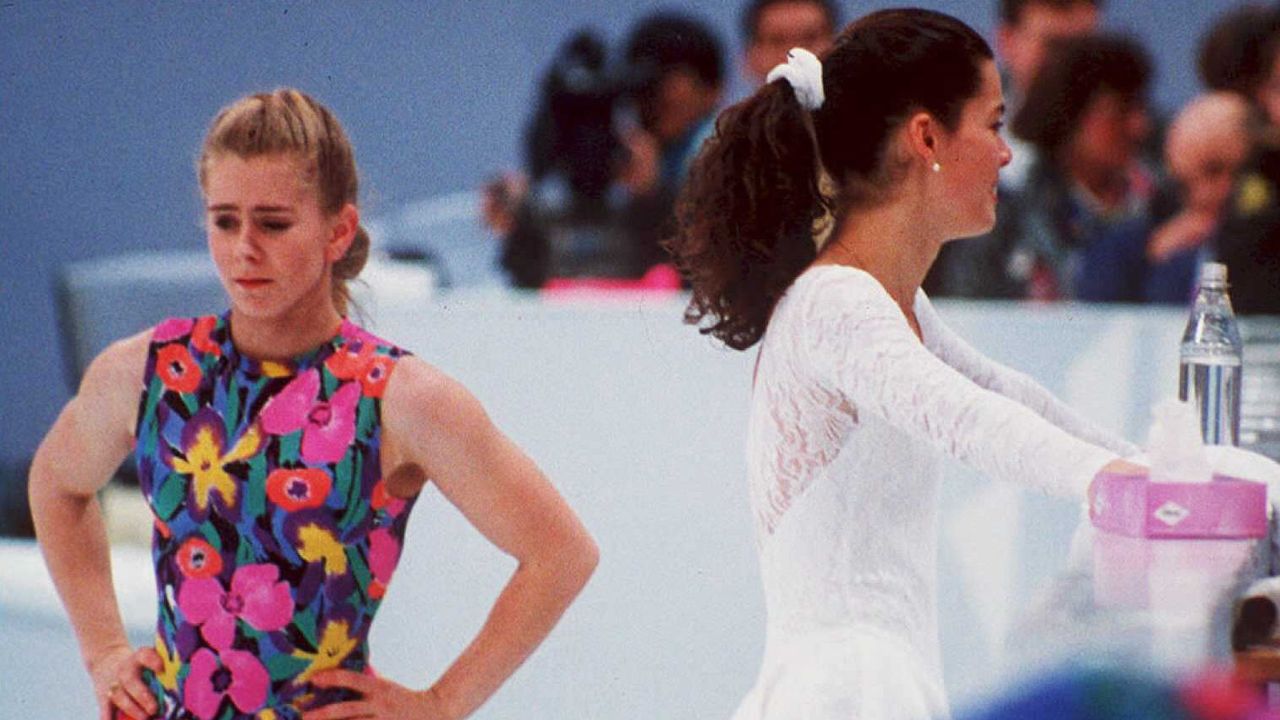
Usually, the modern Olympic Games bring attention, tourism, and revenue to a country. At least, they did prior to 2014 if you ask many people. And while the Olympics on this list may have brought revenue, they also attracted unwanted attention. Today, we will be looking at the times when the Olympics could’ve gone better, at the very least. At the most, they shouldn’t have happened at all. Please note that these aren’t ranked by amount of controversy. They are listed chronologically. For this list, we also won’t be featuring scandals like Tonya Harding and won’t feature notable events such as Turkish sharpshooter Yusuf Dikeç at the 2024 Olympics. We will instead be looking at events that rocked (or at least shook up) entire Olympic Games. Just a note, the 1972 Munich Olympics won't be included because those games involved an outside organization causing trouble rather than internal parties.
Berlin 1936
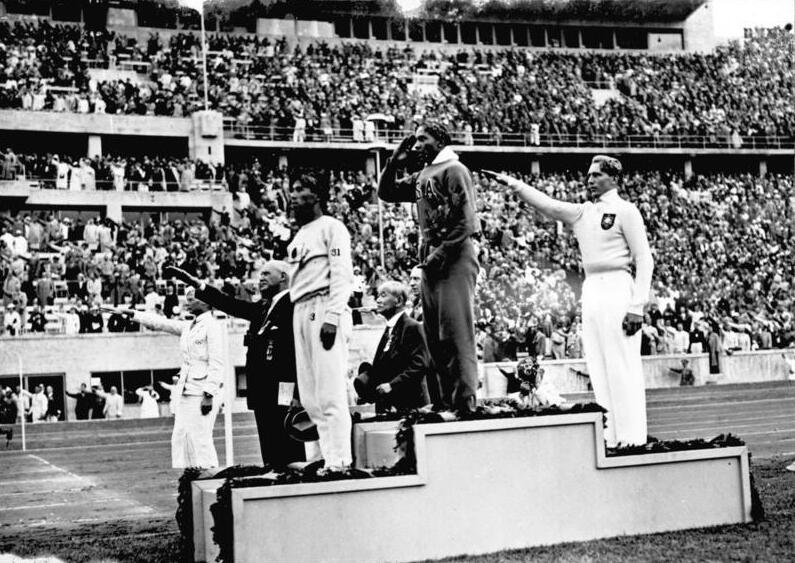
Berlin had been selected in 1931 to host the 1936 Olympics, prior to the Nazis taking power in 1933. From 1933 to 1936, many Western countries proposed boycotts over the Nazi human rights violations and policies, and many other countries were questioning whether the regime would actually go through with hosting the games. While Hitler actually did go through with the games (likely in an attempt to demonstrate the Nazis' dominance on the world stage), that doesn't mean something else wasn't brewing. At the time, the German Gestapo had begun rounding up Jewish Germans, and many Jewish American athletes boycotted the games. There was also the theory that Hitler thought of the games as an opportunity to show the White German superiority in athletics, which was famously foiled by American athlete Jesse Owens, who won 4 medals and refused to perform a German salute, which tarnished Hitler’s image in the process. Not counting the 1940 Olympics, which were scheduled to take place in Tokyo, Japan, but were boycotted because of Japan's 1937 invasion of China, there wouldn’t be any more Olympic games until 1948 because of World War II, and at the 1948 Olympics, held in London, German and Japan were barred from competing due to being the two main Axis Powers.
Mexico City 1968
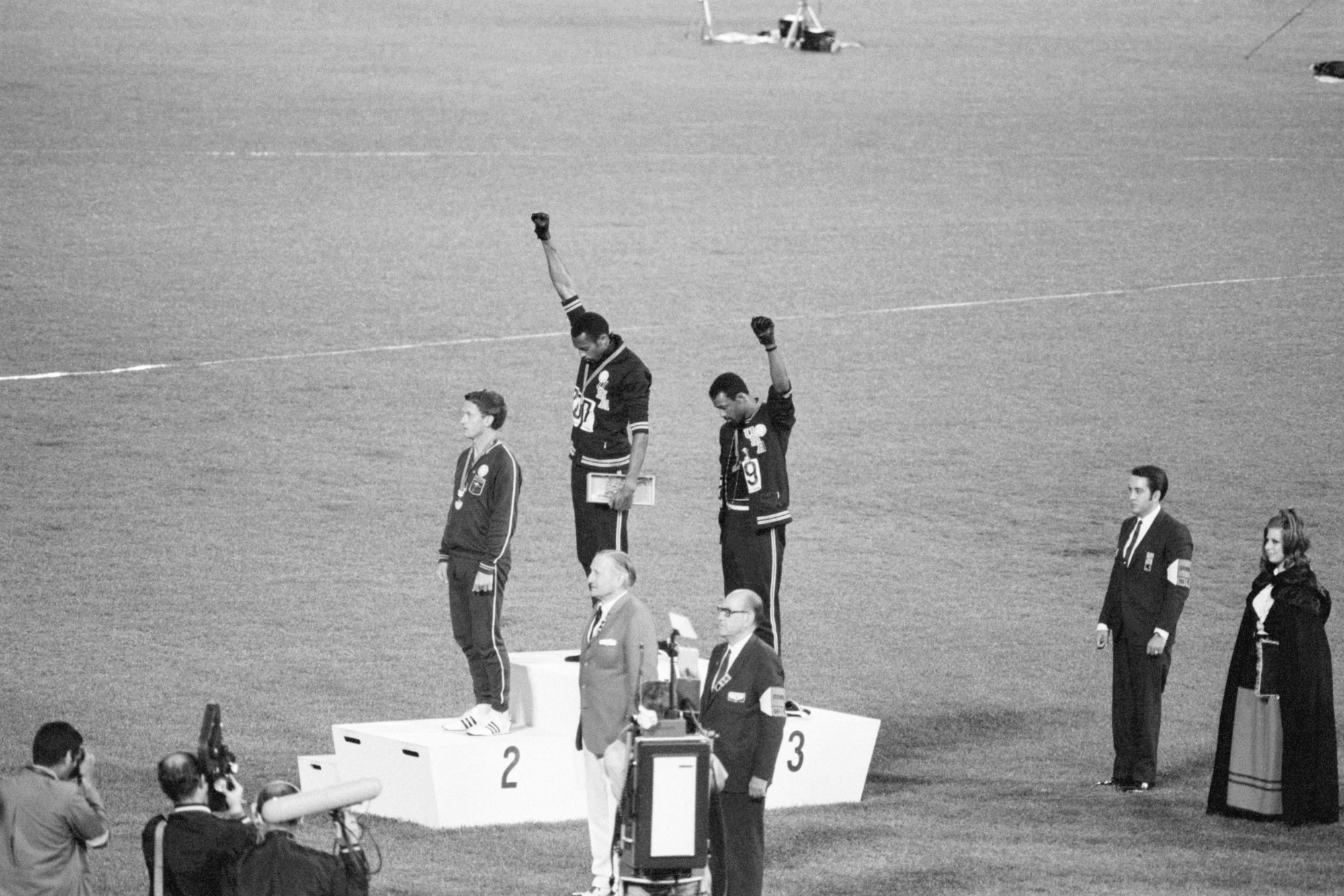
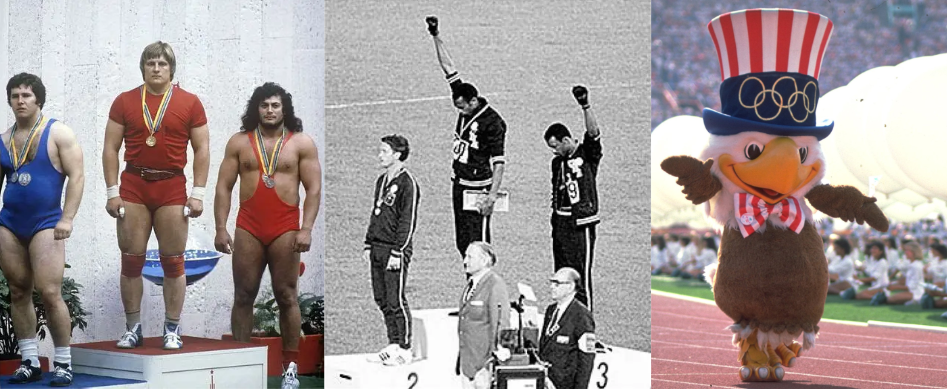
While the Civil Rights Act of 1964 was signed four years prior, the struggle for Civil Rights in the United States was still going strong. Not only that, but 10 days before the Summer Olympics began that year, several Mexican students staged a protest against the government using money for the games rather than social programs. The Mexican army surrounded them and opened fire, killing an estimated 190 and injuring around 1,000. On top of this, American protests found their way into the games, Black American sprinters Tommie Smith and John Carlos raised their black-gloved fists and bowed their heads during the US national anthem when they took the first and third places on the podium. After this, both Olympians were banned from the IOC and the US Olympic Committee, but both later became well-respected figures in sporting history.
Moscow 1980
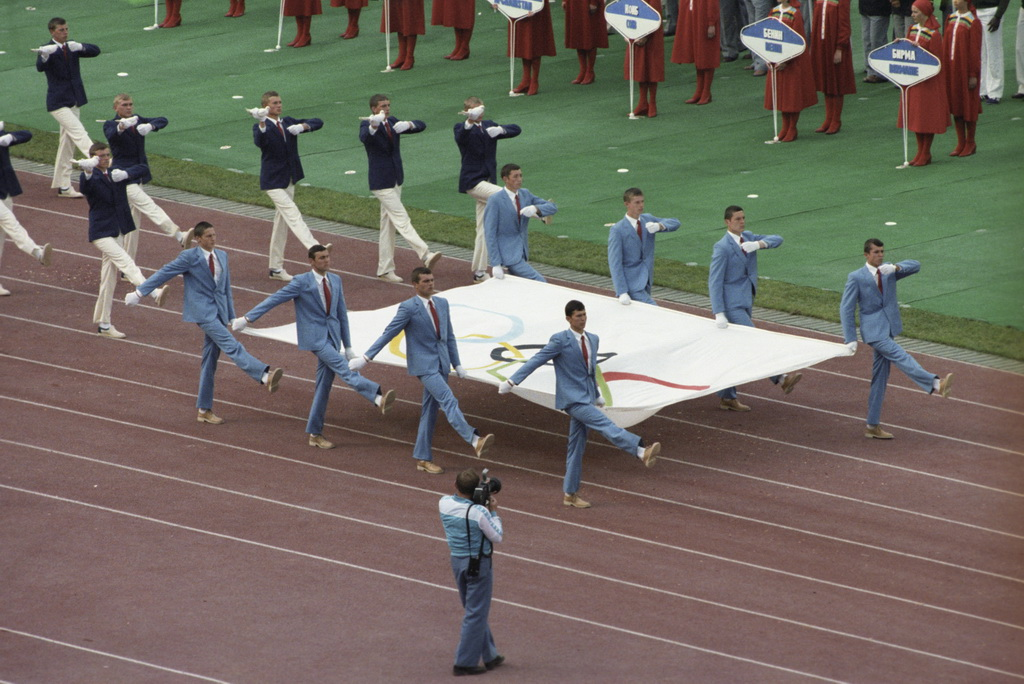
These Olympics hold two important distinctions from the others on this list: one, they were the first Summer Olympic Games to be held in a communist country, and two, they were some of the most boycotted in the modern Olympics. 65 countries chose not to compete, including the United States, over the Soviet Union's invasion of Afghanistan the previous year. Only 80 countries participated, the lowest number since 1956. Then-US President Jimmy Carter even threatened to revoke the US passports of any American athletes who chose to attend.
Los Angeles 1984
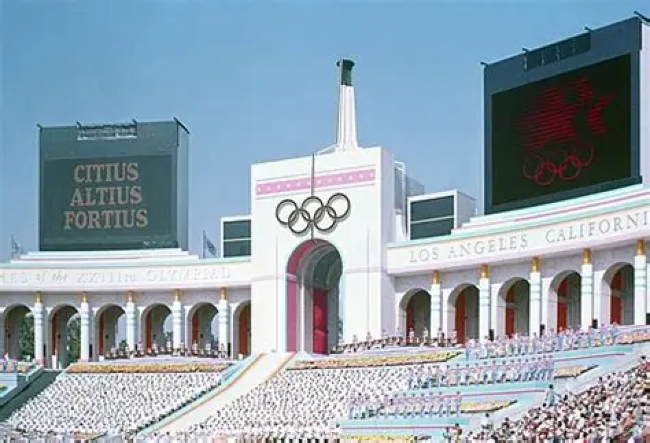
In retaliation for the boycott of the 1980 Olympics, 19 countries, led by the Soviet Union, boycotted the 1984 Olympics, held in Los Angeles. There were other reasons behind the boycott, such as anti-Soviet sentiment in the US, which was at an all-time high. But against all odds, Romania, which was a communist state at the time and was under the Warsaw Pact, defied the Soviet-led boycott and competed, winning 20 Gold, 16 Silver, and 17 Bronze medals.
Beijing 2008
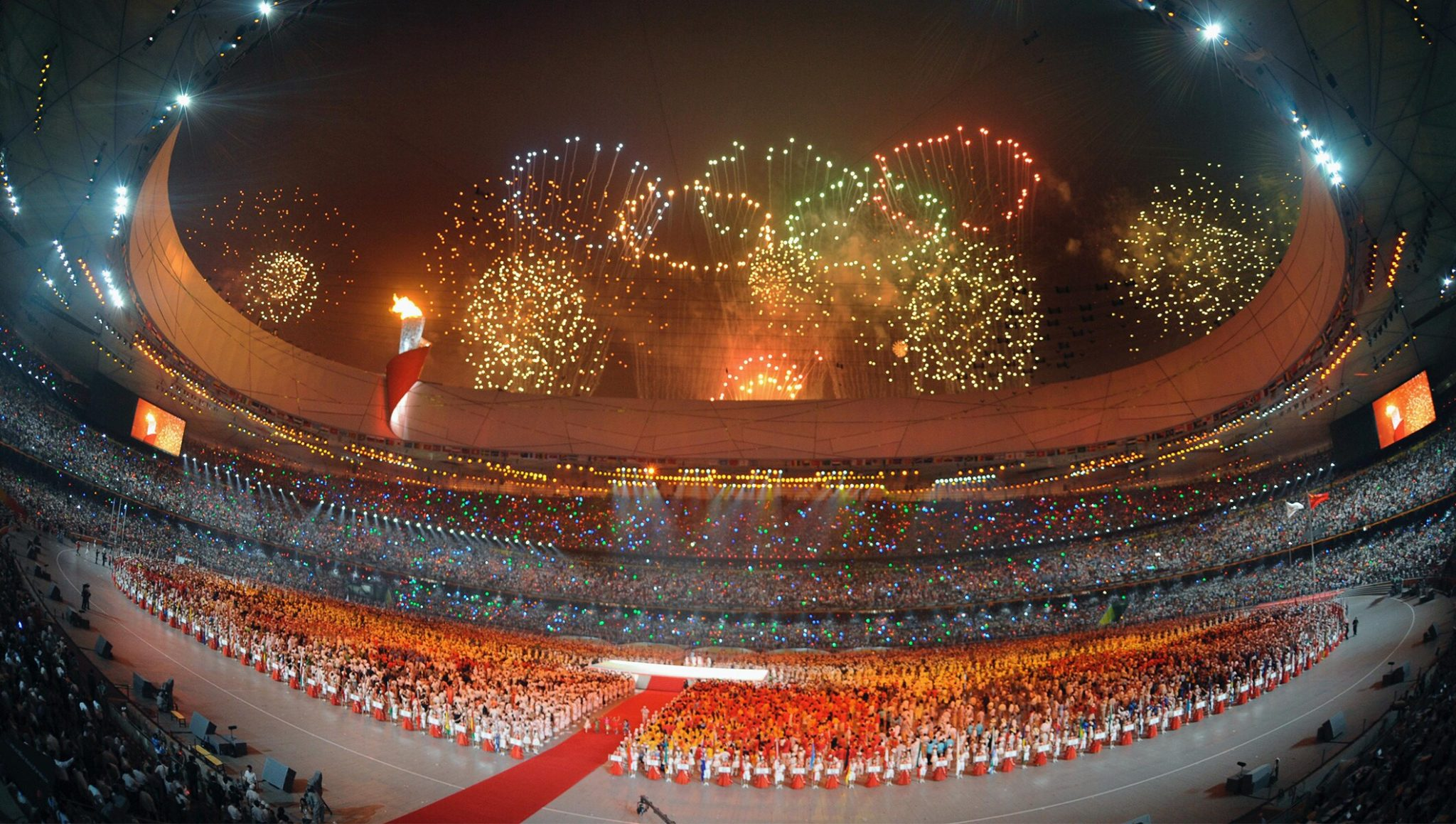
One of the first things, right off the bat, was the fact that the child singer of the Chinese national anthem was later revealed to be lip-syncing, while the actual singer, another child, was hidden out of fear by Chinese organizers that the real singer wasn't "presentable" enough. And that's not all. Chinese athletes were being pushed beyond their limits in an effort to beat American athletes. A New York Times report stated that during training, a diver lost a retina, female athletes were pressured to start training again soon after childbirth, and most of them were told that if they didn't secure gold at the Olympics, their training was for nothing. Then comes the migrant construction worker scandal. Migrant workers, who were hired to build the infrastructure, were reportedly denied livable wages and proper protections while building, leading to accusations of human rights violations. Chinese government agencies were also said to be gathering intelligence on "potentially troublesome foreign organizations," according to security experts who spoke with the New York Times.
Conclusion
The Olympic Games have brought shame onto countries as well as attention and fame. As this list has stated, five such times have exposed the cracks within certain governments, past and present, as well as within the International Olympic Committee itself, which just goes to show, international organizations can't always be trusted.
Do you think the Olympics have been good since London 2012? Leave a comment!
Sources: Teen Vogue, Encyclopedia Britannica
 Fortesa Latifi
https://www.britannica.com/list/7-significant-political-events-at-the-olympic-games